Planning a family trip to East Africa is one of the most exciting travel decisions you will ever make. The sheer scale of the landscapes, the incredible wildlife, and the warmth of the local culture make it a transformative experience for children. However, organizing a safari can also be intensely overwhelming—and expensive. While national park fees and luxury lodges require a significant budget, balancing your itinerary with the best free things to do in arusha & northern tanzania with kids is the secret to a well-rounded, financially manageable trip.
Our complete Arusha & Northern Tanzania city guide is packed with inspiration, but here we are diving deep into how to structure your days. We will cover the best genuinely free and low-cost activities around the city of Arusha to help you balance your budget, followed by the ultimate, splurge-worthy safari experiences and family-friendly basecamps that justify every penny.
Balancing the Budget: Free & Low-Cost Activities in Arusha
Before heading out into the national parks, most families spend a day or two acclimatizing in Arusha. Instead of sitting in a hotel room, use this time to explore the local area. These free and exceptionally low-cost activities are perfect for stretching little legs after a long flight.
The Arusha Cultural Heritage Centre
This is a must-visit, and entry is completely free. The Cultural Heritage Centre is a massive, architecturally stunning complex shaped like a traditional shield and spear. Inside, you will find an extensive collection of African art, historical artifacts, and tribal crafts. Children are usually captivated by the sheer size of the wooden carvings and the vibrant beadwork. It is stroller-friendly, safe, and offers a quiet, air-conditioned respite from the midday heat. You can spend anywhere from one to three hours wandering the galleries. There is a reasonably priced café on-site serving excellent local coffee and child-friendly snacks.
Shanga Foundation (at Elewana Arusha Coffee Lodge)
Visiting Shanga is entirely free, though you will almost certainly want to purchase something from their beautiful gift shop to support their mission. Shanga is a successful social enterprise that employs Tanzanians with disabilities to create stunning glass blown artwork, woven textiles, and jewelry using recycled materials. Kids are welcome to watch the artisans at work—blowing glass, threading beads, and weaving on massive looms. The staff are incredibly welcoming to children and often teach them a few words in Tanzanian Sign Language. It is an uplifting, educational experience that provides a beautiful introduction to the local community.
Exploring Local Coffee Estates
While formal, guided coffee tours often come with a fee, many estates on the outskirts of Arusha allow families to walk their public trails for free or for a nominal tip to a local guide. Walking through the lush, shaded rows of coffee plants is a sensory delight. Children love searching for the bright red coffee cherries and spotting the small monkeys and colorful birds that call the plantations home. It is a fantastic way to burn off energy in a safe, enclosed natural environment before you are confined to a safari vehicle for days on end.
The Ultimate Splurges: Where to Spend Your Safari Budget
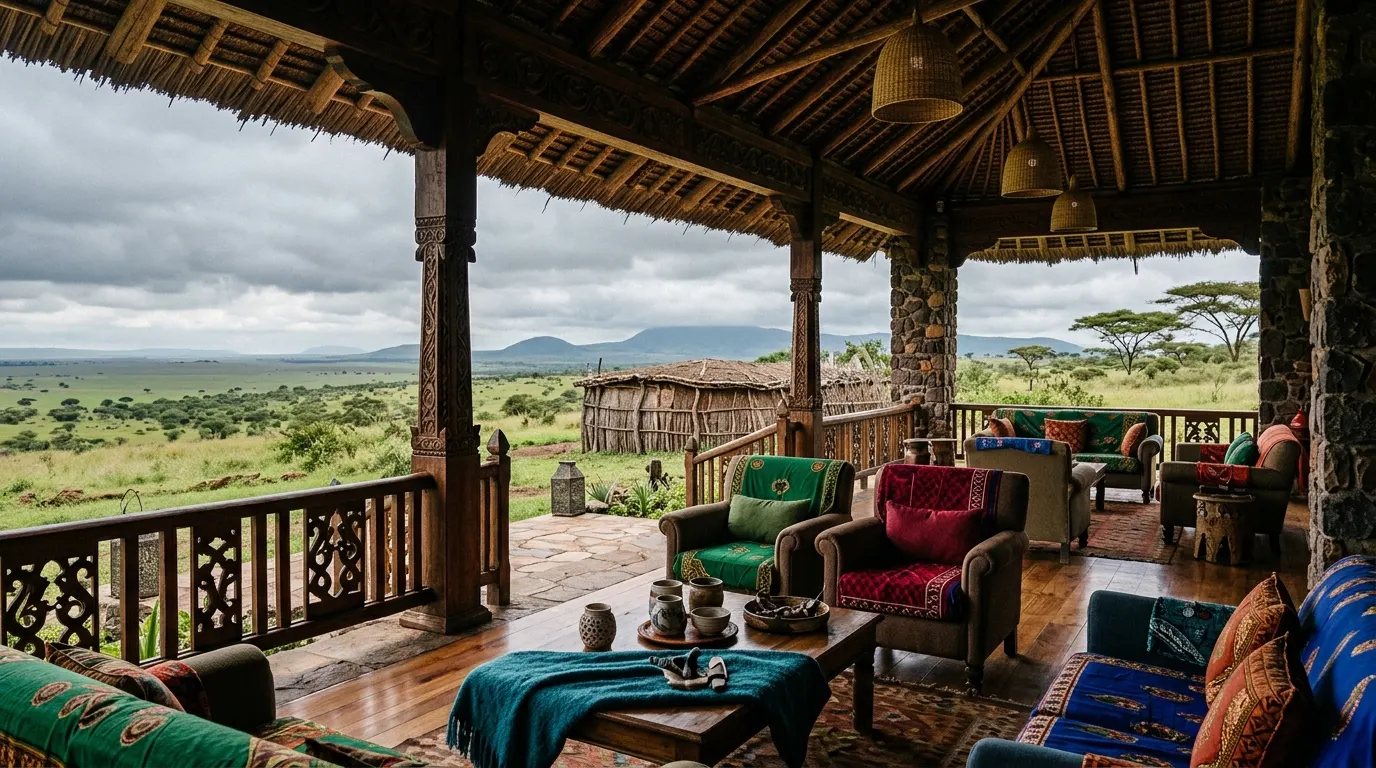
Once you have enjoyed the free things around town, it is time to head into the bush. Safari is where your budget will go, and knowing exactly which experiences deliver the highest return on investment for families is crucial. When looking for the absolute best things to do in arusha & northern tanzania with kids, these are the wildlife encounters that deliver lifelong memories.
Witnessing the Elephant Migration in Tarangire
Often overshadowed by the Serengeti, Tarangire is actually the perfect first safari stop for families. The Tarangire National Park - Elephant Migration Corridors (general game drive areas) offer some of the highest concentrations of elephants in the world. For children, seeing a herd of fifty elephants, including tiny, clumsy calves, walking right past your vehicle is mind-blowing. The park is famous for its iconic "upside-down" baobab trees, which look like they were plucked straight from a storybook. The game viewing here is highly reliable, which is essential for keeping kids engaged.
🎟️ Find family-friendly tours & activities →
The Serengeti Great Migration & Big Cat Tracking
No trip to Northern Tanzania is complete without venturing into the Serengeti. If you are traveling during the right season, prioritizing Serengeti National Park - Great Migration Viewing (seasonal) is non-negotiable. Watching millions of wildebeest and zebras move across the plains is a lesson in biology and nature that no classroom can replicate.
For guaranteed excitement, direct your guide toward the Seronera River Valley (Central Serengeti). Known as the "Big Cat Capital," this area provides the most reliable predator sightings. Seeing a lion pride lounging on a kopje (rock outcropping) or a leopard draped over an acacia branch will render even the most talkative child completely speechless. If you want a more rugged, off-the-beaten-path experience away from the crowds, the Lobo Valley (Northern Serengeti) offers breathtaking scenery and excellent wildlife viewing, particularly for older children who don't mind a longer drive.
The Ultimate Splurge: A Sunrise Balloon Safari
If you have the budget for one massive, unforgettable splurge, book the Serengeti Balloon Safari. This is generally suitable for children aged 7 and up (due to basket height restrictions). Floating silently over the savannah as the sun rises, watching giraffes run below and hippos return to the rivers, is pure magic. The flight is followed by a white-linen bush breakfast out on the plains. It is expensive, but it is universally cited by parents as the highlight of their African journey.
🎟️ Book family tickets & skip-the-line tours →
Where to Stay: Family-Friendly Safari Basecamps
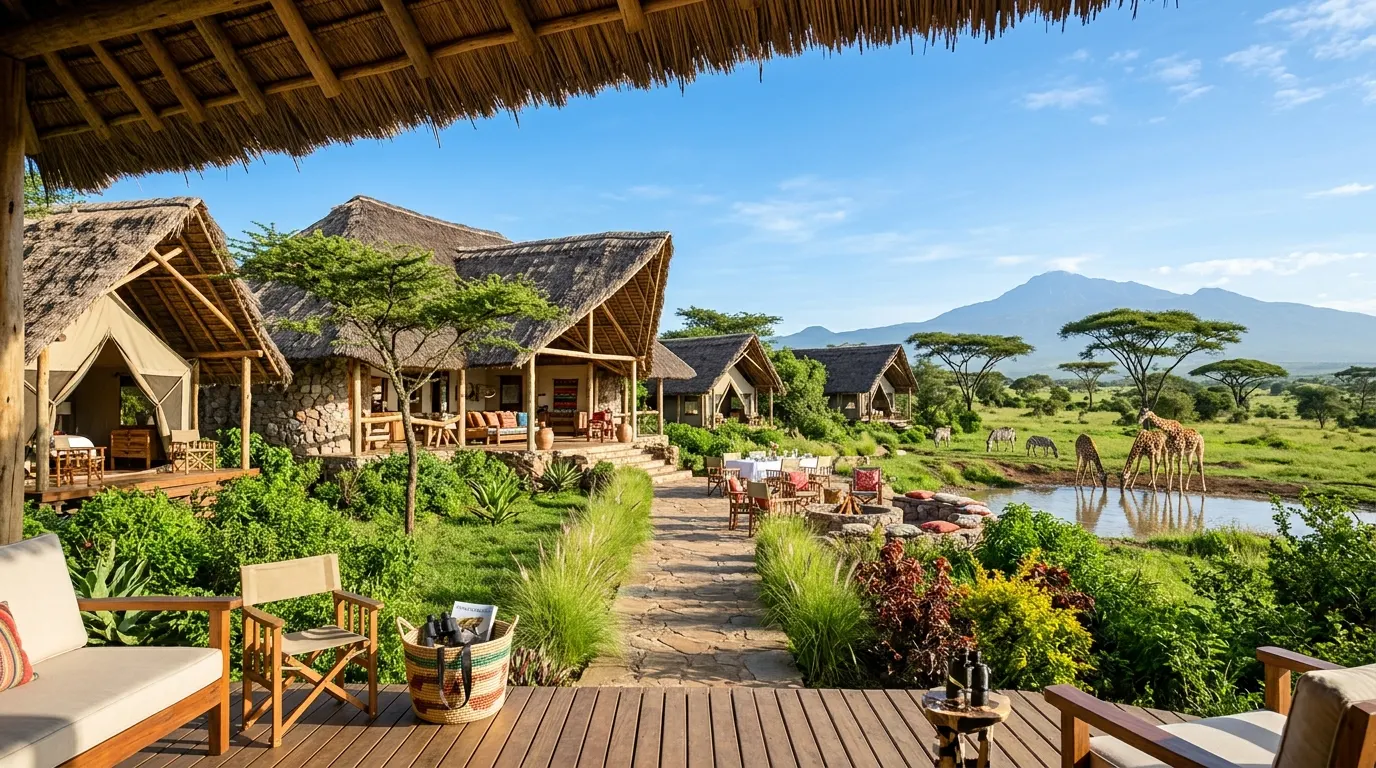
Choosing the right accommodation is critical when traveling with kids. You need places that understand the rhythm of family travel, offer safe spaces to play, and provide downtime between game drives.
Luxury Lodges with Superior Amenities
If you want the wildness of the bush with the safety and comfort of a luxury resort, the Four Seasons Safari Lodge Serengeti is the gold standard. They solve the boredom and safety challenges of the bush brilliantly. With an on-site discovery center, a stunning infinity pool overlooking an active watering hole, and a dedicated kids' club, parents can actually relax here.
For dramatic scenery, the Ngorongoro Serena Safari Lodge is built out of stone directly onto the rim of the Ngorongoro Crater. It offers families front-row seats to one of the world's most unique ecosystems without having to camp in the freezing high-altitude air. In Tarangire, Tarangire Treetops Lodge is a childhood dream brought to life—massive luxury suites built directly into the branches of ancient baobab trees. Kids absolutely love the "treehouse" feeling, and the elevated views make it feel incredibly safe.
Immersive Tented Camps
If you want a closer connection to nature without sacrificing comfort, tented camps are the way to go. Maramboi Tented Camp, located near Tarangire and Lake Manyara, is phenomenal for families. Zebras and wildebeests literally graze right outside your tented deck. The camp has a beautiful pool and raised wooden walkways, keeping kids safely elevated above the wildlife.
In the Serengeti, Sayari Camp (Serengeti) offers a stylish, eco-conscious experience with a fantastic pool, while Dunia Camp (Serengeti) provides a highly unique environment. Run entirely by an all-female team, Dunia offers a brilliant blend of luxury and warmth, serving as an incredibly inspiring environment for young girls and boys alike.
Unique Eco-Camps and Mobile Safaris
For older kids and teens who crave adventure, mobile camps that track the migration are thrilling. Serengeti Under Canvas (Nomad Tanzania) and Ang'ata Migration Camp (Serengeti) move with the herds, offering an authentic, unplugged bush experience.
For a true architectural marvel, look at the Highlands Ngorongoro (Asilia Africa). These futuristic, high-altitude geodesic domes sit on the slopes of the Olmoti volcano and feel like a space station in the wilderness. Finally, for genuine cultural connection, Osiligilai Maasai Lodge (Ngorongoro area) is a Maasai-owned lodge that offers families a rare, non-performative immersion into local culture, complete with spear-throwing lessons and storytelling around the fire.
Age-by-Age Guide to Northern Tanzania
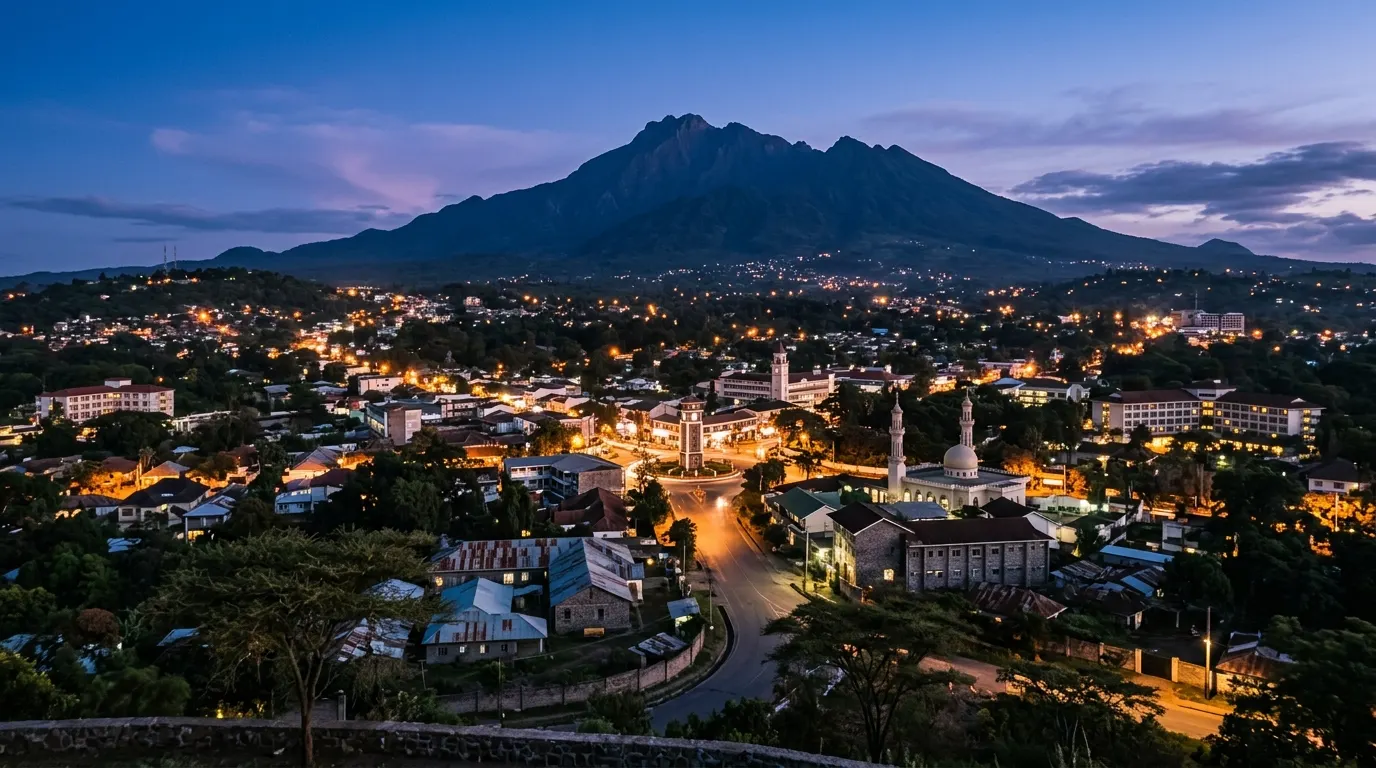
A safari is not a one-size-fits-all vacation. How you structure your days depends entirely on the ages of your children.
Toddlers (Ages 2-3)
Bringing a toddler on safari requires serious logistical planning. Long game drives over bumpy dirt roads will result in meltdowns. Focus your time on highly accessible parks like Tarangire or stay at a luxury basecamp like the Four Seasons, where you can watch wildlife from the pool. Request a private safari vehicle so you can return to the lodge whenever your toddler needs a nap. Pack an unbelievable amount of their favorite snacks and download movies on a tablet for the long transit days.
Preschoolers (Ages 3-5)
Preschoolers are easily delighted but have short attention spans. They will love spotting zebras for the first ten minutes, and then they will want to play. Keep game drives strictly under three hours. Bring binoculars specifically for them (even cheap ones make them feel involved) and a printed checklist of animals they can check off with a crayon. Midday pool time at your lodge is mandatory for this age group to burn off the energy they accumulate while sitting in the jeep.
School-Age (Ages 6-10)
This is the golden age for a family safari. Kids this age are old enough to understand the ecosystem, handle longer game drives, and follow safety instructions in the bush. Take advantage of Junior Ranger programs offered by many lodges, where guides teach kids how to track animal footprints, identify dung, and learn basic Swahili. This age group also deeply appreciates the cultural visits, like interacting with the Maasai guides.
Tweens & Teens (Ages 11-14)
Teens will be profoundly impacted by the sheer scale of the Serengeti and the complex dynamics of the predator-prey relationships. Give them a dedicated digital camera (not just a phone) and task them with being the family wildlife photographer. Teens also have the stamina for full-day game drives and can handle the early morning wake-up calls required for the best predator tracking. Mobile tented camps are perfect for this age, offering a thrilling, slightly rugged adventure that feels very grown-up.
What to Skip: Overhyped or Unsafe for Kids
Not every famous Tanzanian attraction is suitable for families. Knowing what to avoid is just as important as knowing what to book.
Extreme Altitude Treks
Tanzania is home to incredible mountains, but they are not family-friendly playgrounds. Completely avoid a Kilimanjaro Summit Attempt with Children (Mount Kilimanjaro Uhuru Peak). The risk of Acute Mountain Sickness (AMS) in young children is severe and unpredictable. Similarly, skip the Mount Meru Climb (Full Ascent) and the Mount Meru Summit, which involve steep "knife-edge" ridges, grueling multi-day trekking, and sub-zero temperatures. Finally, the Ol Doinyo Lengai Volcano requires a brutal midnight ascent up loose volcanic ash on extremely steep slopes—it is dangerous and exhausting even for fit adults.
Unregulated Animal Encounters
While driving on the outskirts of Arusha, you may see Unregulated Roadside Animal Photo Props (Arusha outskirts). These often feature locals holding baby monkeys, snakes, or birds, offering photos for cash. Skip these entirely. The animals are frequently sedated, restrained, or illegally captured. It is an unethical practice and teaches children the wrong lessons about wildlife conservation.
Stressful and Unsafe Environments
The Arusha Central Market is frequently recommended in guidebooks, but it is a high-intensity, chaotic sensory overload that is incredibly stressful to navigate with children. The crowds are dense, and keeping track of wandering kids is difficult. Stick to the Cultural Heritage Centre for shopping.
When it comes to accommodation, avoid Serengeti National Park Public Campsites (e.g., Seronera Public Campsite). These public sites have zero physical barriers, meaning hyenas and lions frequently wander through the tents at night. It is terrifying with small children. Likewise, the Simba Campsite (Ngorongoro Crater Rim) offers iconic views, but it is freezing cold at night, exceptionally windy, and the shared facilities are highly basic. Spend the extra money on a proper family lodge or a private, fully staffed mobile camp.
Pro Tips from Parents for East African Travel
- Layer Up for the Cold: People assume Africa is always blazing hot. However, early morning game drives in the Serengeti and the high altitudes of Ngorongoro are bitterly cold. Pack fleece jackets, beanies, and warm socks for the 6:00 AM departures. You will peel them off by 10:00 AM, but you will be miserable without them at dawn.
- The "Bush Bathroom" Reality: There are very few formal restrooms out on the savannah. Prepare your kids for the reality of "checking the tires" (peeing behind the safari vehicle). Bring your own toilet paper, small ziplock bags for waste, and plenty of hand sanitizer.
- Secure a Private Vehicle: If your budget allows only one upgrade, make it a private safari jeep. Being tied to the schedule of strangers in a shared vehicle while your child is having a meltdown or urgently needs a bathroom break is incredibly stressful. A private vehicle gives you total control over the pace of your day.
- Consult a Travel Doctor Early: Do not wait until the last minute to think about vaccinations and malaria prophylaxis. Consult a travel clinic at least two months before departure. Malarone is generally well-tolerated by kids, but you need to ensure you have the pediatric doses sorted out well in advance.
- Dust is Everywhere: The roads in Northern Tanzania are unpaved and incredibly dusty. Bring buffs or lightweight scarves for everyone in the family to pull over their noses and mouths when another vehicle drives past, and keep your camera equipment tightly sealed in dust-proof bags.
Wrapping Up Your Tanzanian Adventure
Taking your children to East Africa is an investment in their worldview. Watching them realize that the animals they have only ever seen in books are living, breathing creatures roaming vast, unbroken landscapes is a parenting milestone you will never forget. By mixing the accessible, budget-friendly local culture with the breathtaking wildlife encounters of the national parks, you create an itinerary that is sustainable for both your wallet and your family's energy levels. Whether you are wandering through a coffee plantation or watching a lioness hunt at dusk, the incredible variety of things to do in arusha & northern tanzania with kids guarantees a journey that will be talked about around your dinner table for decades to come.