Taking your children across borders for the very first time is a massive milestone. You are trading the familiar comforts of home for new languages, different currencies, and unfamiliar time zones. It is thrilling, but the planning phase can also trigger a fair amount of anxiety. Choosing the right destination is the single most important decision you will make. You need a location that balances wonder and excitement with easy logistics, safe transportation, and accessible healthcare. To help you navigate this big decision, we have compiled the definitive guide to the best first international trip with kids, drawing on real, lived experiences from parents who have navigated the passports, the jet lag, and the inevitable meltdowns.
These five destinations offer the perfect introduction to global travel for families. They provide incredible cultural enrichment without requiring you to completely rough it, ensuring that both you and your children come home with incredible memories rather than travel trauma.
1. London, United Kingdom: The Ultimate Best First International Trip with Kids
When parents ask for a foolproof recommendation for crossing an ocean, London is always at the top of the list. There is no language barrier for English speakers, the public transportation is extensive, and the city is practically built around family-friendly museums and sprawling green spaces. It is a brilliant blend of royal history and modern convenience, making it incredibly forgiving for first-time international family travelers. For a complete breakdown, check out our full City Guide: /city/london.
Top Family Experiences
London excels at making history tangible for children. Start at the Tower of London, a massive medieval fortress right on the River Thames. It brings 1,000 years of history to life; your kids can see the dazzling Crown Jewels, spot the famous ravens, and talk to the iconic Yeoman Warders (Beefeaters).
🎟️ Book family tickets & skip-the-line tours →
For a dose of science and nature, head to South Kensington. Walking into The Natural History Museum Hintze Hall feels like entering a cathedral of nature, complete with a massive blue whale skeleton suspended from the ceiling. Right next door is the Science Museum (Wonderlab), which features over 50 interactive, hands-on exhibits that will keep school-aged kids engaged for hours.
If you want to experience the magic of the West End, the Lyceum Theatre (Disney's The Lion King) is the gold standard for a first theater experience, using breathtaking puppetry that captivates even the youngest audience members. When the kids need to burn off energy, head to the Diana Memorial Playground in Kensington Gardens. It is a sprawling, Peter Pan-inspired wonderland featuring a massive wooden pirate ship surrounded by a beach.
Practical Details
- Costs: London is notoriously expensive. Budget around £150-£250 ($190-$315 USD) per day for a family of four, excluding accommodation. However, almost all major museums (Natural History, Science, British Museum) are completely free to enter, which balances the budget beautifully.
- Food: Finding kid-friendly food is a breeze. Head to Seven Dials Market in Covent Garden—a high-energy, multi-level food hall that solves the problem of everyone in the family wanting something different.
- Stroller Accessibility: This is where you need to be strategic. Avoid using the Tube if you have a heavy stroller, as many historic stations rely entirely on steep stairs and escalators. Instead, use the iconic red double-decker buses, which all have dedicated wheelchair/stroller bays, or book a private Black Cab. Cabs can fit up to six people and are entirely wheelchair and stroller accessible.
- Time needed: Plan for at least 5 to 7 days to account for jet lag and the sheer size of the city.
2. Cancun & Riviera Maya, Mexico: An Easy Tropical Escape
If your priority is minimal travel time, zero jet lag (for North American travelers), and guaranteed relaxation, the Riviera Maya is unbeatable. This stretch of Caribbean coastline south of Cancun offers an incredibly soft landing for international travel. You can choose to stay entirely within the bubble of an all-inclusive resort, or venture out for safe, well-organized eco-adventures. Read our comprehensive City Guide: /city/cancn-riviera-maya to explore the different resort zones.
Top Family Experiences
While building sandcastles on the pristine white beaches is a given, the real magic of this region lies in its unique geology. Exploring a family-friendly cenote (natural limestone sinkholes filled with crystal-clear fresh water) is an unforgettable experience. Many organized tours provide life jackets, making it safe even for hesitant swimmers.
For a full day of entertainment, the eco-archaeological parks like Xcaret or Xel-Há are spectacularly well-run. They offer a mix of snorkeling, lazy rivers through mangrove forests, butterfly pavilions, and cultural performances. They are highly commercialized but incredibly convenient, offering clean restrooms, ample food options, and paved paths. If you have older children (ages 8+), a guided day trip to the Mayan ruins of Tulum or Chichén Itzá provides a phenomenal, real-world history lesson.
🎟️ Find family-friendly tours & activities →
Practical Details
- Costs: Resort pricing varies wildly from $250 to over $1,000+ USD per night. Local food and transport outside resorts are quite affordable. The local currency is the Mexican Peso (MXN), but USD is widely accepted in tourist areas.
- Stroller Accessibility: Resorts and major eco-parks are highly accessible with smooth, paved pathways. However, exploring ancient ruins with a stroller is nearly impossible due to uneven ground and steps; a baby carrier is essential here.
- Food: All-inclusive resorts cater heavily to North American palates, meaning you will always find chicken nuggets alongside authentic tacos and fresh fruit.
- Best Time to Visit: December through April offers the best weather, avoiding the heavy rains and potential hurricanes of late summer and fall.
3. Costa Rica: A Beginner-Friendly Eco-Adventure
For families who prefer sloths over museums and rainforests over cities, Costa Rica is a phenomenal choice. It is widely considered the safest country in Central America, boasts excellent healthcare, and relies heavily on eco-tourism. The phrase "Pura Vida" (pure life) is not just a marketing slogan; it is a genuine reflection of the welcoming, laid-back local culture that embraces children everywhere you go. Learn more in our City Guide: /city/costa-rica.
Top Family Experiences
Head to the Arenal Volcano region for the ultimate family adventure hub. Here, you can walk across hanging bridges suspended high in the rainforest canopy, spotting howler monkeys and toucans along the way. The region is famous for its geothermal hot springs, many of which have been transformed into massive, family-friendly pool complexes with waterslides and swim-up mocktail bars for the kids.
For beach time mixed with wildlife, Manuel Antonio National Park on the Pacific coast is perfect. The trails are relatively flat and short, making them manageable for young legs, and they lead directly to stunning, protected white-sand beaches. Hiring a local guide with a spotting scope is highly recommended; they will find camouflaged sloths and tiny tree frogs that you would absolutely miss on your own.
Practical Details
- Costs: Costa Rica is the most expensive country in Central America. Expect to pay US-level prices for guided tours and park entries. A family-friendly "casado" (a traditional plate of rice, beans, plantains, and protein) at a local soda (diner) costs around 4,000-6,000 CRC ($8-$12 USD).
- Getting Around: Renting a car gives you the most flexibility, but the winding mountain roads can trigger motion sickness in kids. Private family shuttles are a very popular and stress-free alternative.
- Stroller Accessibility: Outside of your resort, leave the stroller at home. Rainforest trails, beaches, and uneven sidewalks in small towns require a high-quality, structured baby carrier.
- Pacing: Do not try to see the whole country in one week. Pick two home bases (e.g., one volcano/jungle area and one beach area) to avoid exhausting travel days.
4. Rome, Italy: Pizza, Piazzas, and Living History
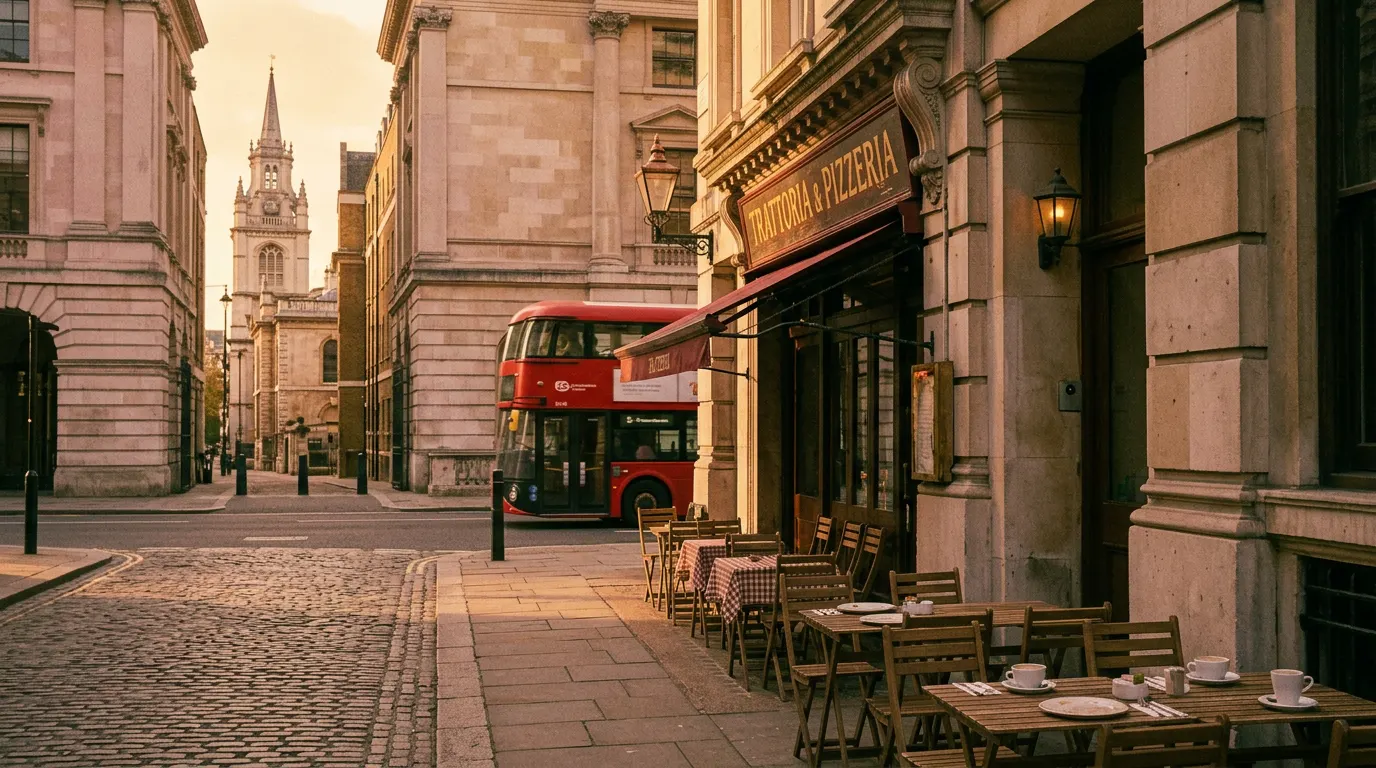
If you want to introduce your children to Europe, Rome is a loud, chaotic, and incredibly warm city that absolutely adores children. Waiters will coo over your baby, and the culture revolves around family dining. Furthermore, the food is universally kid-approved—you will never struggle to feed a picky eater in a city that runs on fresh pasta, pizza, and gelato. Dive into the neighborhoods with our City Guide: /city/rome.
Top Family Experiences
The history here is massive and tangible. The Colosseum is a must-do, but it is vital to book a family-specific guided tour. A good guide will skip the dry dates and focus on the gladiator stories and trap doors that capture a child's imagination.
🎟️ Book family tickets & skip-the-line tours →
Wandering the city is an activity in itself. Give your kids a few Euro coins to throw over their shoulders into the Trevi Fountain, and spend your evenings in pedestrian-friendly squares like Piazza Navona. Here, kids can run freely, chase bubbles from street performers, and eat their body weight in artisanal gelato while you enjoy an Aperol Spritz at a sidewalk cafe. For a break from the crowds, rent a four-seater family bicycle (a risciò) in the sprawling gardens of Villa Borghese.
Practical Details
- Costs: Rome can be tailored to any budget. A slice of pizza al taglio (by the weight) might cost €3-€5 ($3.25-$5.50 USD), while a sit-down meal in a tourist center will be €20-€30+ per person.
- Stroller Accessibility: Rome is notoriously difficult for strollers. The ancient cobblestones will rattle a cheap umbrella stroller to pieces, and many restaurants and historic sites lack elevators. Bring a robust stroller with large wheels, or better yet, rely on a carrier for infants and toddlers.
- Pacing: Rome gets incredibly hot and crowded in the summer. Plan your major sightseeing for right when things open at 8:30 AM or 9:00 AM, head back to your accommodation for a midday rest, and emerge again in the late afternoon when the locals do.
5. Tokyo, Japan: Safe, Clean, and Utterly Magical
For families ready to tackle a long-haul flight and a major time zone shift, Tokyo is a revelation. It is widely considered one of the safest, cleanest megacities on earth. While the culture and language are vastly different from the West, the infrastructure is so logical and helpful that getting around is surprisingly intuitive. It is a brilliant blend of ancient tradition and neon-soaked future. Read our essential transit tips in our City Guide: /city/tokyo.
Top Family Experiences
Tokyo offers attractions you simply cannot find anywhere else. The digital art museums by TeamLab are mind-bending, immersive experiences where kids can wade through knee-deep water reflecting digital koi fish, or chase blooming light-flowers across the walls.
For theme park lovers, Tokyo DisneySea is unique to Japan and widely regarded as the best theme park in the world, featuring incredible nautical and mythological themes. Beyond the high-tech, Tokyo offers serene escapes. Walking through the massive torii gates of the Meiji Shrine, set within a dense, quiet forest right in the middle of the city, gives kids a beautiful introduction to Japanese culture.
Practical Details
- Costs: The current exchange rate makes Japan highly affordable for many Western travelers. A fantastic, fresh meal at a conveyor belt sushi restaurant might cost just ¥1500-¥2500 ($10-$17 USD) per person.
- Convenience: Japanese convenience stores (konbini) like 7-Eleven, Lawson, and FamilyMart are legendary. They offer fresh, high-quality, inexpensive meals (like rice balls and fried chicken) that are perfect for feeding jet-lagged kids at 4:00 AM.
- Stroller Accessibility: Tokyo is very accessible, with elevators in almost every train station. However, train stations are massive and crowded. Avoid taking a stroller on the subway during the intense rush hours (7:30-9:00 AM and 5:00-7:00 PM).
- Baby Facilities: Japanese department stores feature "baby rooms" that are essentially luxury lounges with private nursing booths, hot water dispensers for formula, and pristine changing tables.
Tailoring the Best First International Trip with Kids by Age
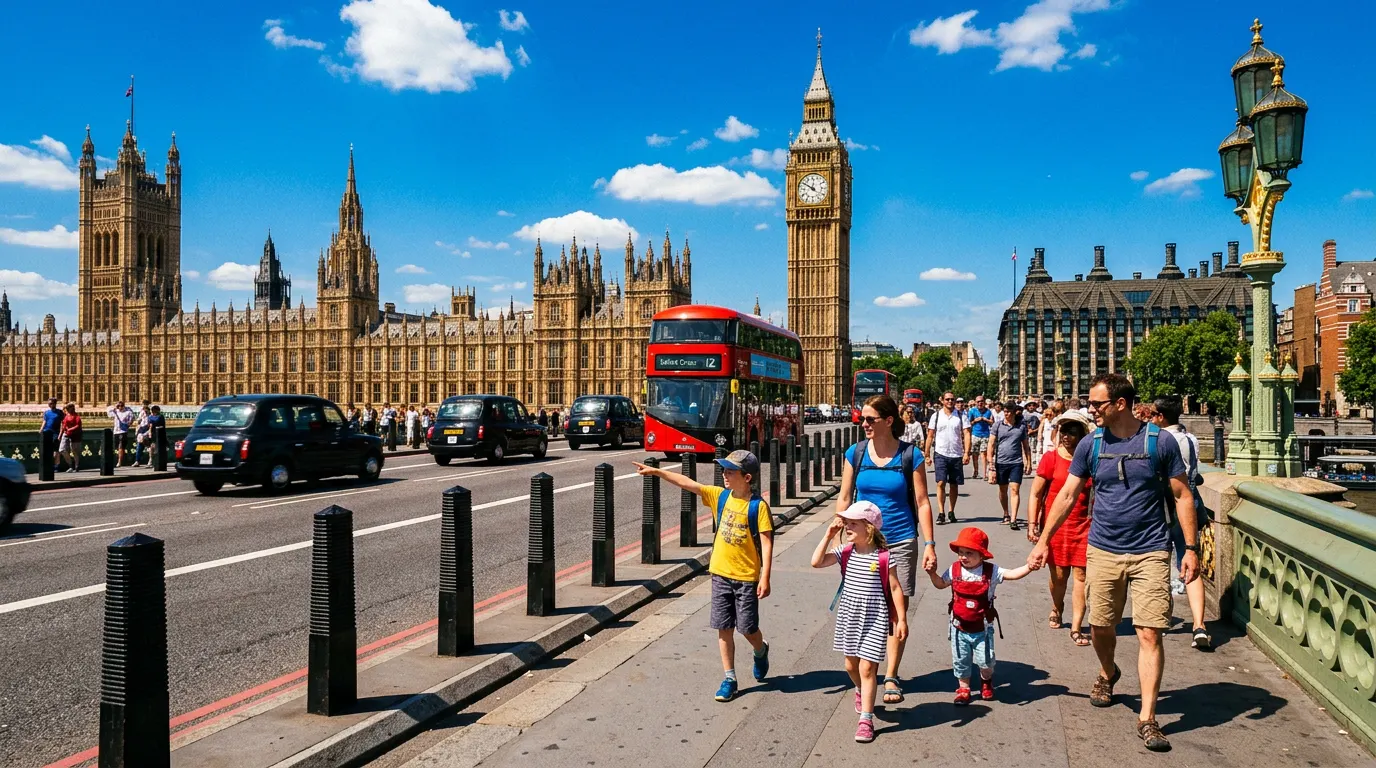
A destination that works for a sleeping infant might be a disaster for an energetic toddler. Here is how to approach international travel based on your children's current developmental stage.
Toddlers (Ages 2-3)
At this age, routine and physical comfort are paramount. The Riviera Maya is excellent because you can maintain nap schedules easily at a resort. If you choose a city like London, plan for only one structured activity per day. Toddlers need space to run, so map out local parks near every museum you visit.
Preschoolers (Ages 3-5)
Preschoolers are developing huge imaginations but have limited physical stamina. Rome is fantastic for this age because the city feels like a giant storybook, and the promise of daily gelato is a powerful motivational tool. Keep transit times low, and rely heavily on hop-on-hop-off buses or short taxi rides rather than long walking days.
School-Age (Ages 6-10)
This is the golden age of family travel. Kids this age can handle longer flights, understand the history, and walk decent distances. Costa Rica is phenomenal for school-aged kids; they are finally heavy enough for most ziplines and old enough to spot wildlife. London also shines here, as they can read museum plaques and fully engage with the interactive exhibits at places like the Science Museum.
Tweens and Teens (Ages 11-14)
Older kids need autonomy and high-engagement activities to prevent boredom (and screen-scrolling). Tokyo is the ultimate tween/teen destination. They will love the independence of navigating the subway system, exploring anime culture in Akihabara, and trying unique street foods. Involve them heavily in the planning process; give them a budget and let them choose one restaurant or activity each day.
What to Skip on Your First International Trip
It is incredibly tempting to pack your itinerary with every famous landmark, but traveling with kids requires ruthless prioritization. Some highly marketed attractions are simply not built for families and will only result in tears and wasted money. Using London as a prime example, here are types of attractions you should confidently skip:
- The "Scary" History Attractions: Skip places like The London Dungeon. This is a high-priced, 90-minute walkthrough commitment in near-total darkness where actors frequently jump out and yell. It is overwhelming, historically dubious, and practically guaranteed to terrify younger children.
- Luxury Shopping Temples: While famous, skip department stores like Harrods. It is a luxury temple, not a playground. Between the crushing crowds, strict security, and eye-watering prices, you will spend the entire visit stressing that your toddler is going to break a crystal vase.
- Endurance-Test Cultural Events: Skip Globe Theatre (standing yard tickets). While the £5 price tag is tempting, standing in an open-air yard for a 3-hour Shakespearean performance is a physical endurance test. Kids cannot see over the adults in front of them, and there is nowhere to sit down when they inevitably get tired.
Pro Tips from Parents for a Smooth First Trip
Veteran traveling parents know that success often comes down to the micro-decisions you make on the ground.
- Lean on reliable food chains when morale is low. While you want to try local cuisine, sometimes kids just need familiar comfort food quickly. In the UK, chains like Giraffe, Wahaca, and Honest Burgers offer consistent quality, excellent kids' menus, and high chairs without any fuss.
- Rethink your transit. Navigating underground transit systems with a stroller and a jet-lagged toddler is miserable. If open-top tourist buses feel too exposed, book a private Black Cab tour. They fit the whole family, give you a personalized view of the city, and save your legs.
- Avoid the obvious crowd traps. For example, skip the main Changing of the Guard at Buckingham Palace; it is a crushing mob where kids will only see the backs of tourists' heads. Instead, look for quieter alternatives, like watching the guards march near Wellington Barracks, or finding peaceful, enclosed spaces like St. Katharine Docks near the Tower of London to eat lunch by the boats.
- Pack a dedicated medical kit. Do not assume you can easily find children's Tylenol or familiar stomach remedies in a foreign pharmacy at midnight. Bring a well-stocked kit with your pediatrician-approved basics.
Taking the Leap
Booking that very first flight overseas with your children is daunting, but the rewards are immeasurable. Watching your child confidently order a pastry in a few words of broken Italian, or seeing their eyes widen at the sheer scale of a blue whale skeleton, are parenting moments you will cherish forever. By choosing a forgiving destination, pacing yourself appropriately, and leaning into the joy of discovery, you are setting the foundation for a lifetime of global curiosity. Start planning, pack your patience, and get ready to embark on the absolute best first international trip with kids.