Choosing between the high-desert volcanic playground of Central Oregon and the massive alpine majesty of the Sierra Nevada is a wonderful problem to have. When planning a mountain getaway, deciding on bend vs lake tahoe with kids usually comes down to the specific flavor of adventure your family is craving. Both destinations offer world-class hiking, stunning water features, and exceptional winter sports, but they deliver these experiences at completely different scales and paces. We are going to break down the logistics, the daily vibe, and the best activities to help you decide which mountain town belongs on your family's itinerary this year.
The Core Vibe: Bend vs Lake Tahoe with Kids
To understand how these two destinations differ, you have to look at their geography and layout. Lake Tahoe is massive. The lake itself is divided between two states (California and Nevada) and features distinct micro-regions, usually categorized broadly as North Lake and South Lake. Visiting Tahoe means navigating winding mountain roads, dealing with significant seasonal traffic, and staying in areas that range from heavily developed casino-resort towns to quiet, pine-tucked cabin communities. The sheer scale of the lake is breathtaking, offering ocean-like horizons of deep, crystal-clear blue water surrounded by granite peaks. For a deep dive into the specific neighborhoods, you can check out our comprehensive City Guide: /city/lake-tahoe.
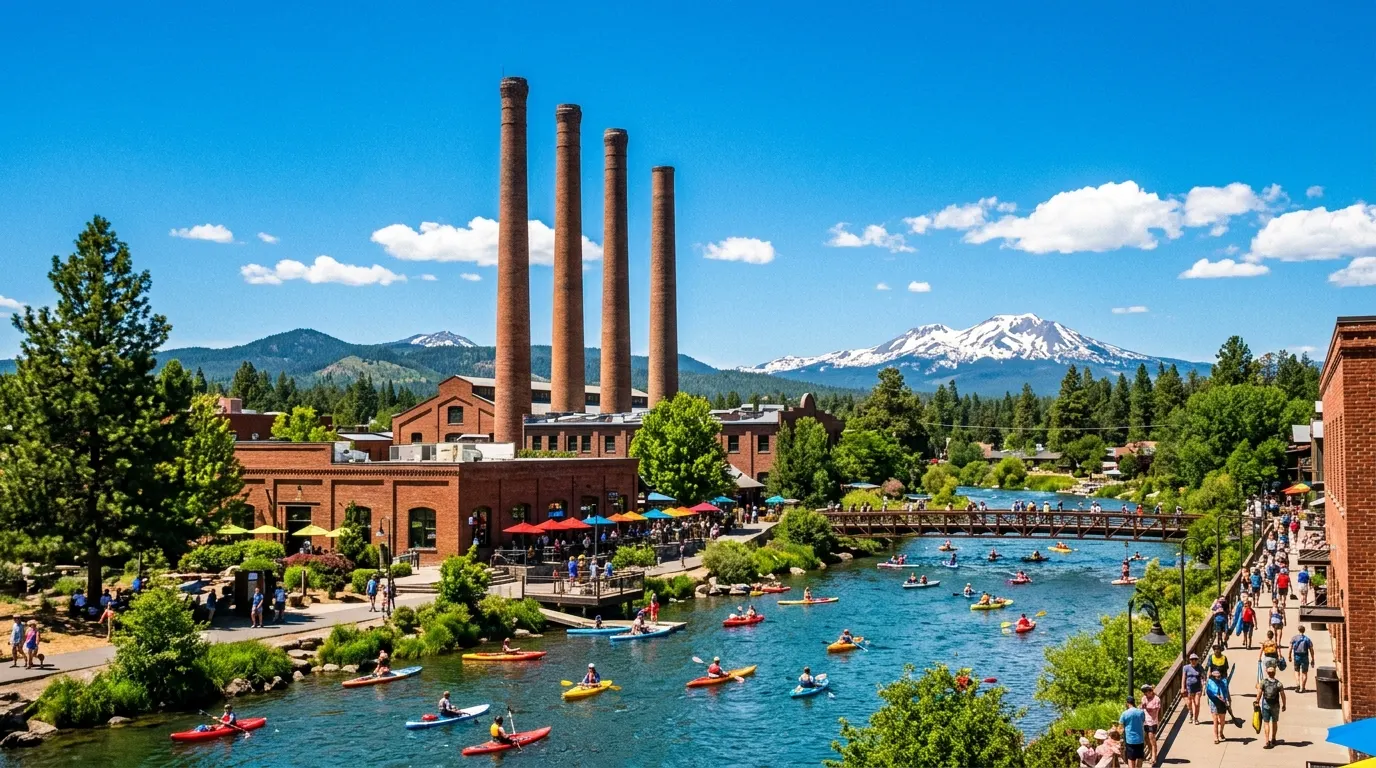
Bend, on the other hand, is a centralized, high-desert city with a much more localized, laid-back community feel. The Deschutes River runs right through the center of town, creating a natural gathering place for families. Instead of granite peaks and deep alpine lakes, Bend is defined by ponderosa pine forests, dormant volcanoes, and striking lava flows. It feels less like an international resort destination and more like a highly active, incredibly family-friendly outdoor town where you can hike a volcano in the morning and easily find a world-class craft meal with a grassy lawn for the kids by lunch. You can explore more about the town's layout in our City Guide: /city/bend.
Summer Splashes and Winter Slopes
Both locations are true four-season destinations, but the way you interact with the outdoors changes depending on which one you choose.
Summer Water Play and Scenery
In Tahoe, summer revolves entirely around the lake. Families spend their days staking out spots on sandy beaches like Kings Beach or Sand Harbor, paddleboarding in the famously clear (and famously freezing) water, or taking boat tours into Emerald Bay. The water is the main event.
In Bend, water play is more varied. The classic summer activity is floating the Deschutes River right through town, though families with very young children often prefer paddleboarding on the high-alpine lakes just outside the city. Driving the Cascade Lakes Scenic Byway is an absolute must. This stunning 66-mile route features a "necklace" of crystal-clear lakes set against dramatic volcanic landscapes. It is easily one of the most beautiful drives in the Pacific Northwest and offers endless spots to pull over for a picnic or a quick splash. If you are willing to make a day trip, Crater Lake National Park is roughly two hours south of Bend. Witnessing the deepest, bluest lake in America situated inside a collapsed volcanic caldera is an unforgettable experience for older children and teenagers.
🎟️ Book family tickets & skip-the-line tours →
Winter Sports Access
For skiing and snowboarding, Lake Tahoe boasts over a dozen resorts, ranging from massive international destinations like Palisades and Northstar to smaller, family-focused hills. The variety is unmatched, but getting to the mountain often involves sitting in heavy traffic on two-lane roads.
Bend simplifies the winter experience. The local favorite is Mt. Bachelor Ski Area, a massive, high-altitude volcanic playground that offers one of the longest ski seasons in the country (often stretching into late May). Because it is located just 22 miles from town with a dedicated access road, the logistics of getting kids dressed, loaded in the car, and up to the slopes are generally much smoother than navigating Tahoe's winter bottlenecks.
Trail Magic: Hiking for Little Legs
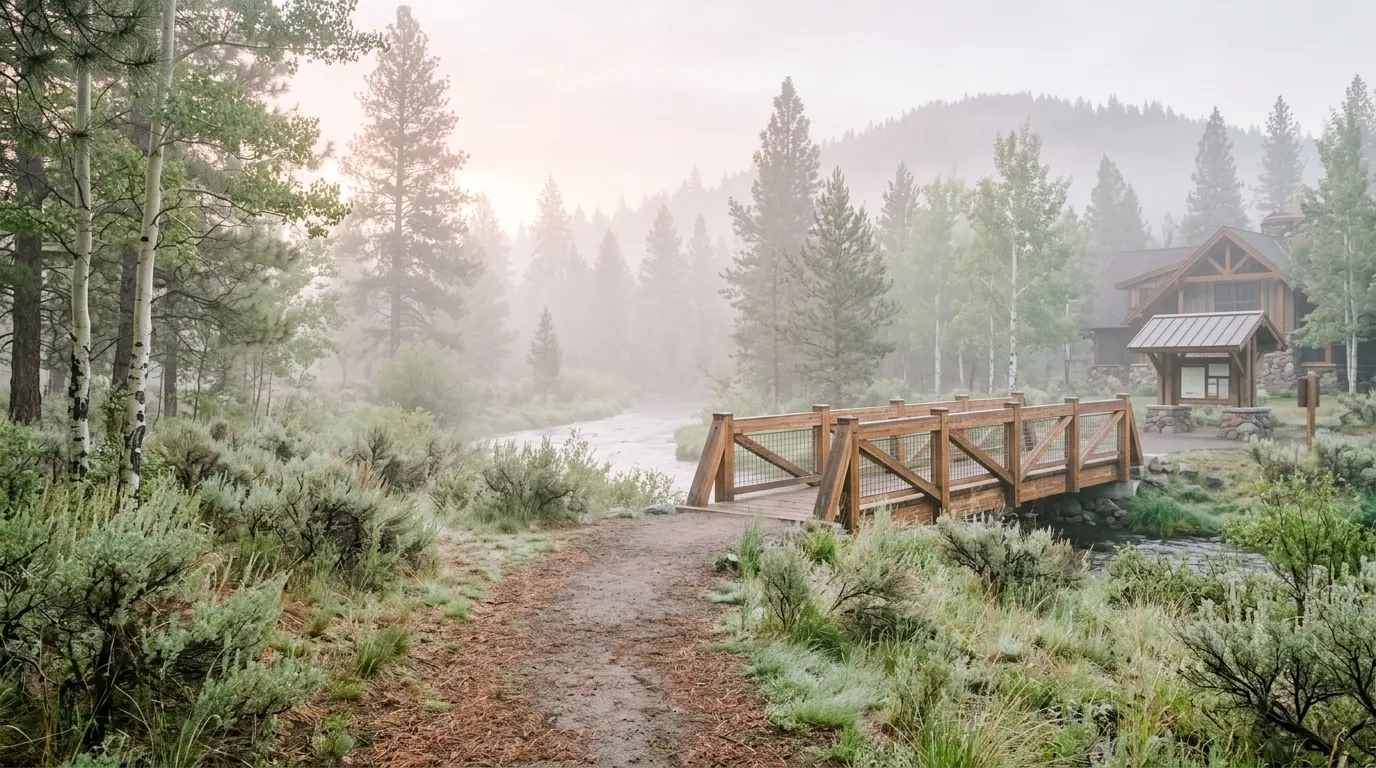
When you are traveling with children, a good hike needs a high reward-to-effort ratio. You want visual interest, safe terrain, and ideally, something spectacular at the end.
In Bend, the trails are incredibly diverse thanks to the region's volcanic history. A standout for families is the Proxy Falls Trail. This stunning 1.5-mile loop takes you through ancient lava fields and dense old-growth forest, culminating at two of Oregon's most photogenic waterfalls. The trail requires navigating over some porous, uneven lava rocks, so sturdy shoes are a must, and toddlers will likely need to be carried in a pack for sections of it. But for children ages five and up, scrambling over the rocks feels like an adventure on another planet.
For families wanting a longer day out, the Green Lakes Trail is a quintessential Central Oregon hike. The path gently follows a rushing creek past multiple waterfalls, eventually opening up to stunning alpine lakes nestled between massive volcanic peaks.
If your family wants dramatic, otherworldly scenery, you cannot miss Smith Rock State Park. This high-desert spectacle features towering volcanic spires and the winding Crooked River. It is widely considered the birthplace of modern American sport climbing. Older, active kids might be ready to tackle the Smith Rock - Misery Ridge Trail, a legendary 3.8-mile loop that earns its name with a steep, sun-drenched 700-foot climb. The views of the Cascade range from the top are staggering. If you want to actually get the kids on the rock face, Smith Rock Climbing Guides - First Ascent Climbing Services is a highly professional guiding service that transforms these intimidating walls into a safe, accessible adventure for families.
🎟️ Find family-friendly tours & activities →
Food, Parks, and Downtown Vibes
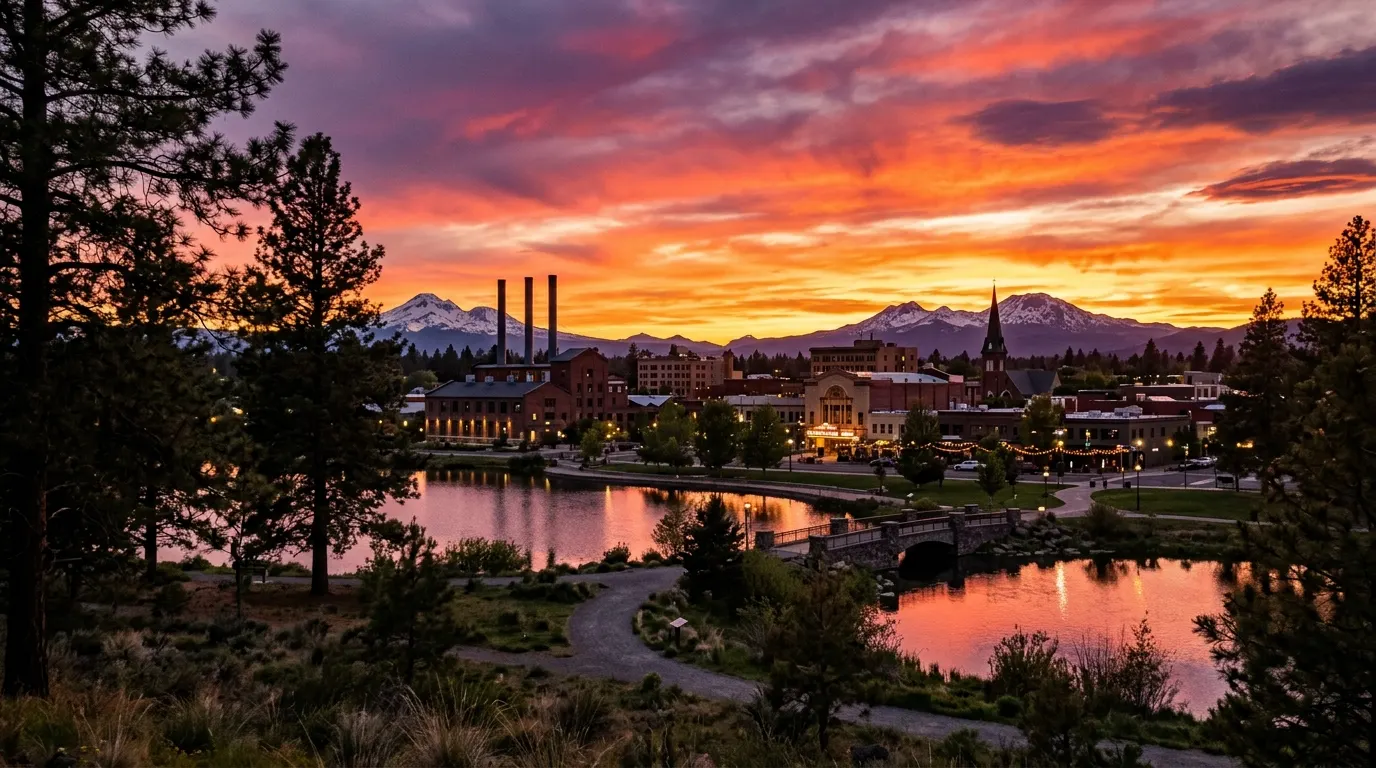
Mountain towns are notorious for having long waits and cramped dining rooms, but Bend has engineered its food scene to be remarkably hospitable to families. The culinary culture here leans heavily into food cart pods with large, enclosed outdoor spaces where kids can run around while parents enjoy local craft food.
For traditional sit-down meals, breakfast is a major event in Bend. The Victorian Café is a local institution housed in a charming historic home, famous for its massive portions of creative brunch fare (expect a wait on weekends, but they offer complimentary coffee while you stand outside). Another fantastic option is McKay Cottage Restaurant, a historic 1916 craftsman bungalow serving award-winning breakfast with a massive, kid-friendly lawn where restless toddlers can stretch their legs while waiting for a table.
To burn off those breakfast calories without leaving town, Bend offers exceptional urban nature. The Deschutes River Trail (Old Mill Reach) is a scenic, mostly flat 2.5-mile loop right through the heart of the city. It is fully paved in sections, making it perfect for strollers, and offers constant river views where you can watch kayakers and paddleboarders glide by.
If you just need a traditional playground to let the kids loose, Larkspur Community Park is a standout in East Bend. It is a highly inclusive park featuring three distinct play zones tailored to different developmental ages, ensuring both toddlers and older kids have engaging, safe equipment to explore.
For a quick scenic win, drive up Pilot Butte State Scenic Viewpoint. It is literally a dormant volcano in the middle of the city. While you can hike it, driving to the summit offers a "cheat code" for epic panoramic views of the entire Cascade mountain range—perfect for when the kids are too tired to hike but you still want a memorable sunset photo.
Age-by-Age Guide: Bend vs Lake Tahoe with Kids
How you experience these destinations shifts dramatically depending on the ages of your children. Here is how they stack up for different developmental stages.
Toddlers (Ages 2-3)
The Winner: Bend
Navigating mountain terrain with a stroller or a toddler prone to bolting can be exhausting. Bend's infrastructure makes traveling with this age group incredibly easy. The flat, paved paths of the Deschutes River Trail, the enclosed food cart pods, and the abundance of easily accessible neighborhood parks mean less time wrestling kids in and out of car seats and more time actually enjoying your trip. Tahoe's sandy beaches are great, but the logistics of parking, hauling gear to the sand, and managing nap schedules in heavy traffic can be taxing for parents of toddlers.
Preschoolers (Ages 3-5)
The Winner: Tie
At this age, kids are ready for short, engaging adventures. In Tahoe, preschoolers thrive playing in the shallow waters of Kings Beach in the summer or enjoying the gentle snow-play areas at Granlibakken in the winter. In Bend, this age group loves exploring the High Desert Museum (where they can see otters and birds of prey up close) and climbing on the inclusive structures at Larkspur Community Park.
School-Age (Ages 6-10)
The Winner: Bend
Kids this age have the stamina for real adventure, and Bend delivers unique experiences they will talk about for years. Booking the Paulina Plunge is a must for this age bracket. It is a high-energy, guided downhill mountain bike adventure where families cruise six miles of gentle gradients, stopping to slide down natural rock water slides and jump into forest pools. It requires basic bike riding skills but no intense uphill pedaling, making it the perfect family thrill.
Tweens and Teens (Ages 11-14)
The Winner: Lake Tahoe (by a hair)
While Bend offers incredible rock climbing and mountain biking, the sheer scale of Lake Tahoe appeals to the independence and adrenaline cravings of older kids. Teens love the extensive network of challenging mountain bike trails around the lake, parasailing over the water, and skiing the steep, legendary bowls at Palisades Tahoe. If you do bring teens to Bend, take them to the Dillon Falls Trail, where they can safely hike alongside dramatic, churning Class V rapids cutting through a rugged lava gorge.
What to Skip: Managing Expectations
No destination is perfect, and knowing what to avoid is just as important as knowing where to go. When visiting Bend, there are a few highly publicized spots and activities that simply do not translate well to family travel.
First, skip the Deschutes Brewery Bend Public House (weekend dinner rush). While the beer is iconic and the food is good, attempting a weekend dinner here often results in wait times exceeding 90 minutes. You will be stuck in a cramped, highly congested downtown area with hungry kids and very little space to wait comfortably. Save it for a weekday lunch instead.
If you are visiting in early summer, skip the Deschutes River Float (high-flow days). During peak snowmelt, the river transforms from a lazy float into a fast-moving, icy waterway with increased hazards like submerged branches and strong undercurrents. Always check local flow reports; if it is running fast, it is not safe for young children on tubes.
Similarly, while the Bend Whitewater Park (wading near channels) is a fantastic place to sit on the footbridge and watch local surfers and kayakers tackle the man-made rapids, do not let younger children wade near the whitewater channels. The currents are deceptively strong right at the shore edges.
Finally, skip the First Friday Art Walk in downtown Bend. While it sounds like a lovely cultural evening, the downtown core becomes extremely congested with adult crowds and social drinkers, making it difficult to navigate with strollers or keep track of wandering children.
(For Tahoe, our biggest skip is attempting to drive the entire circumference of the lake in a single day with kids. It looks doable on a map, but winding roads, slow-moving RVs, and frequent stops turn it into a 5-hour car ride that almost guarantees motion sickness.)
Pro Tips from Parents for Mountain Travel
- Respect the Altitude: Both Lake Tahoe (6,200+ feet) and Bend (3,600+ feet, with activities much higher) sit at elevation. Plan for a low-key first day. Kids often show signs of mild altitude sickness through irritability, fatigue, or loss of appetite. Push water constantly.
- The Sun is Relentless: In the high desert of Bend and the thin alpine air of Tahoe, sunburns happen incredibly fast, even on cloudy days. Reapply sunscreen every two hours, and invest in long-sleeve UV rash guards for water play.
- Book Rentals Early: Whether it is paddleboards in Tahoe or mountain bikes in Bend, do not expect to walk into a rental shop on a Saturday morning in July and find equipment for your family. Reserve all gear weeks in advance.
- Embrace the Layering System: Mountain weather is notoriously fickle. A summer day in Bend can start at 45°F, peak at 85°F by 3 PM, and drop rapidly once the sun goes behind the mountains. Always pack a lightweight fleece in your day bag, regardless of the afternoon forecast.
- Parking Requires Strategy: In both destinations, trailhead parking lots for popular hikes fill up by 8:30 AM in the summer. If you cannot get an early start, shift your outdoor adventures to the late afternoon (after 3 PM) when the early-bird hikers are leaving.
Choosing between bend vs lake tahoe with kids ultimately comes down to your family's travel style. If you want massive alpine scenery, extensive beach days, and resort-style amenities, Lake Tahoe is unparalleled. But if you prefer a highly accessible, laid-back town where you can seamlessly transition from a morning volcano hike to an afternoon river float without ever sitting in traffic, Bend might just become your family's new favorite tradition. Either way, you are giving your children the gift of fresh mountain air, dirt on their shoes, and memories that will outlast any screen time. Pack your layers, book your gear early, and enjoy the adventure.