When you first start planning a Caribbean getaway with a little one in tow, the logistics can quickly feel overwhelming. Between figuring out nap schedules, stressing over safe swimming areas, and wondering if the local restaurants will tolerate a restless two-year-old, the idea of a relaxing vacation often seems out of reach. That is exactly why planning a trip to Aruba with a toddler is such a brilliant move for families. Known affectionately as "One Happy Island," Aruba delivers an incredibly welcoming, low-stress environment that caters perfectly to the unpredictable nature of traveling with young children.
Unlike many tropical destinations where the infrastructure can be challenging for families, Aruba offers a seamless experience from the moment you step off the plane. The beaches are world-class with powdery soft sand, the local culture is genuinely warm and family-centric, and the island is incredibly safe to navigate. Whether you are looking to spend your days building sandcastles by crystal-clear, waist-deep waters or seeking out easy, engaging cultural experiences that will not overstimulate your little ones, this guide will walk you through exactly how to make the most of your island time.
Why Traveling to Aruba with a Toddler is a True Game-Changer
Choosing the right destination is half the battle when traveling with small children, and Aruba checks almost every box a parent could have. One of the most significant advantages of this island is its location outside the hurricane belt, meaning you can confidently book your family vacation year-round without constantly checking the tropical weather forecasts. The island is also blessed with constant trade winds. While this breeze is incredibly refreshing and keeps the intense Caribbean heat manageable for little bodies, it also means you need to be extra vigilant about sun protection, as it is easy to underestimate how strong the sun is when you feel perfectly cool.
Another massive perk for parents is the island's infrastructure. You will not have to worry about packing an entire suitcase full of diapers, wipes, and specific toddler snacks. The island features massive, modern grocery stores (like Super Food Plaza) that carry almost every familiar brand from North America and Europe. You can easily stock up on pouches, formula, and favorite cereals upon arrival.
Perhaps the most underrated benefit of visiting Aruba is the tap water. The island utilizes a highly advanced desalination plant, making the tap water not only perfectly safe to drink but actually delicious. When you are constantly washing out sippy cups, mixing formula, or just trying to keep an active toddler hydrated in the tropical heat, having safe, accessible tap water directly from your hotel or vacation rental sink is a massive stress reliever.
For a complete overview of navigating the island, be sure to check out our full Aruba city guide.
The Absolute Best Beaches for Little Swimmers
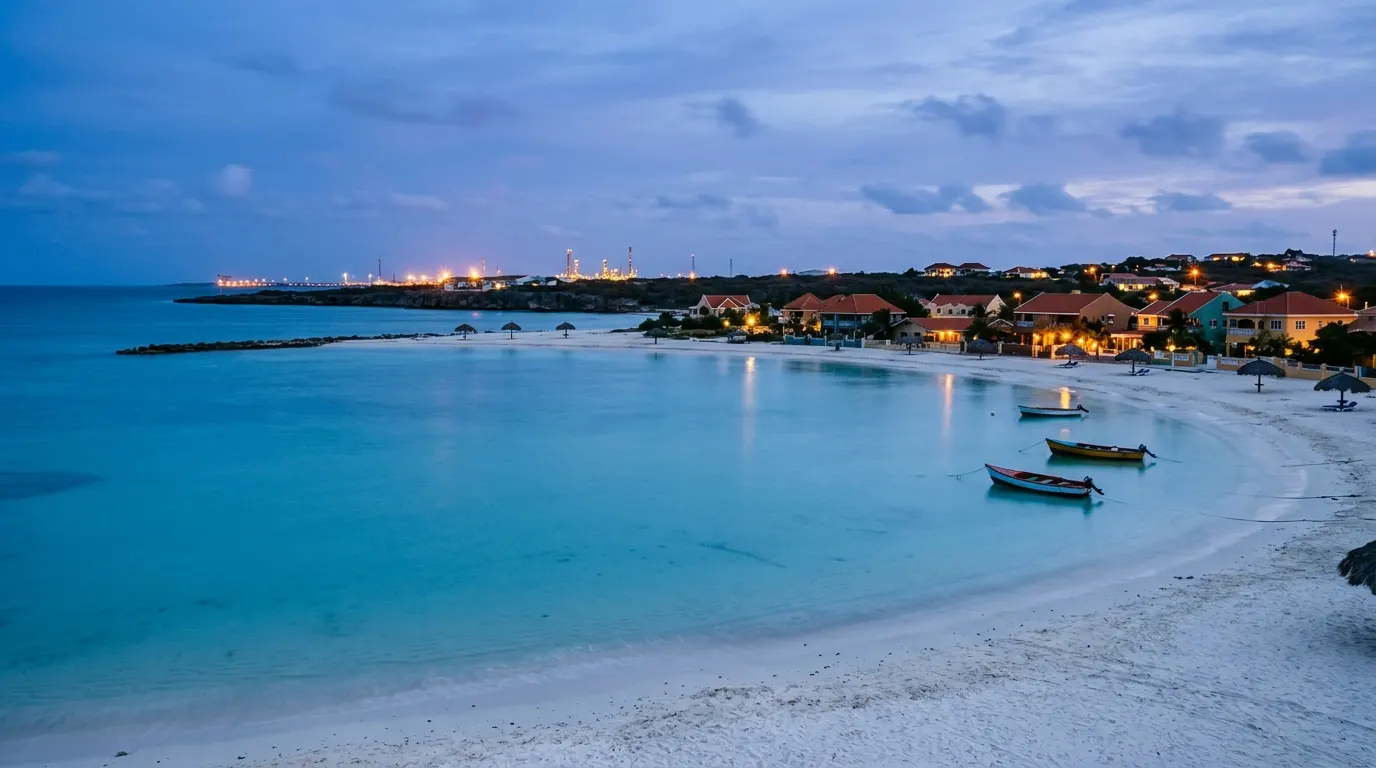
Aruba is famous for its shoreline, but not all beaches are created equal when you have a wobbly two-year-old who is still getting used to the ocean. You want calm waters, soft sand, and accessible facilities.
Baby Beach
If you only visit one beach during your trip, make it Baby Beach. Located on the southern tip of the island, this crescent-shaped lagoon is practically designed for families with young children. The water stays incredibly calm and waist-deep for hundreds of yards, effectively creating a giant, natural wading pool. Toddlers can sit in the shallows, splash safely, and even spot small, colorful fish darting around their ankles without the intimidation of crashing waves.
- Practical Details: The beach is free to enter, but you will want to rent a tent or two lounge chairs and an umbrella (roughly $20-$30 USD / 36-54 AWG for the day).
- Best Time to Visit: Arrive by 9:00 AM. Palapas (thatched umbrellas) are first-come, first-served, and the sun gets intense by midday.
- Facilities: There are basic restrooms and a snack shack nearby. Stroller accessibility is decent near the parking lot, but you will have to carry it across the deeper sand.
🎟️ Book family tickets & skip-the-line tours →
Eagle Beach and Manchebo Beach
For a classic, wide-open Caribbean beach experience, Eagle Beach is legendary. Widely ranked as one of the best beaches in the world, it offers a massive stretch of powdery white sand that stays relatively cool to the touch. This means your toddler can run barefoot without burning their toes. The sheer width of the beach provides a massive buffer zone, so your little ones can play loudly without you worrying about disturbing honeymooners.
Just south of Eagle Beach is Manchebo Beach, which offers a similar wide stretch of sand but is generally much quieter and more peaceful. The water here can sometimes have a bit more surf than Baby Beach, so you will want to keep a close hold on toddlers near the water's edge, but it is unmatched for sandcastle building and late afternoon naps under a palapa.
Boca Catalina and Arashi Beach
When you want a slightly different vibe, head north to Boca Catalina. This is a small, secluded bay famous for crystal-clear, calm water. While it is known as a world-class snorkeling spot, the shallow entry makes it wonderful for toddlers to dip their toes. A bit further north is Arashi Beach, a favorite local hangout that offers a perfect balance of calm water and excellent beachside amenities, including a great little shack for cold drinks and fries.
Beyond the Sand: Engaging Family Activities
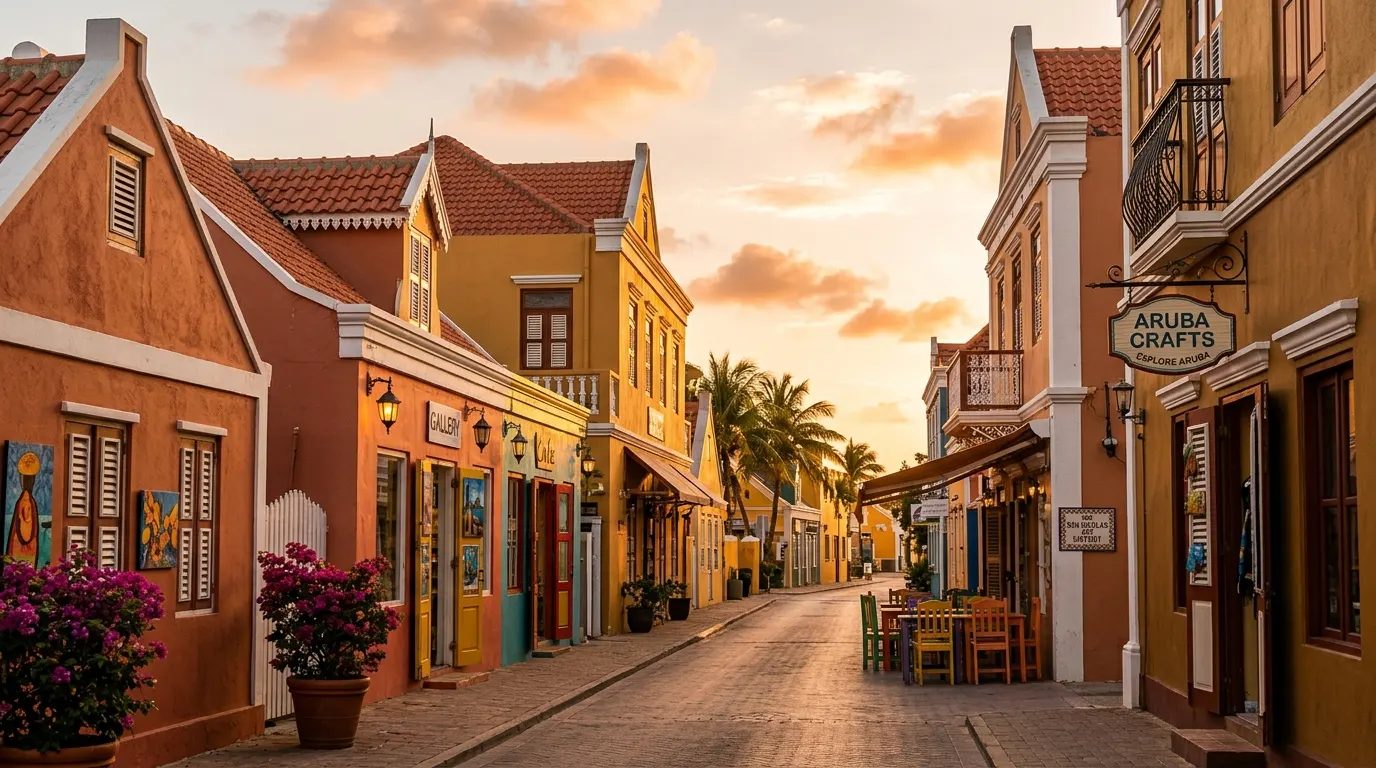
While it is tempting to spend every waking moment on the beach, Aruba offers some fantastic low-key activities that work beautifully for young families.
Caribbean Festival (Carubbian Festival)
If you want to introduce your little ones to the vibrant local culture, the Caribbean Festival (Carubbian Festival) in San Nicolas is a wonderful option. Held on Thursday nights, this street festival offers a more authentic, local vibe compared to the main resort areas. You will find incredible local food stalls, colorful costumes, and steel drum bands.
- Parent Tip: The music can get loud, so if your toddler is sensitive to noise, consider bringing a pair of baby ear-defenders. The festival usually runs from 6:00 PM to 10:00 PM, making it easy to drop in for an hour before bedtime.
Aruba Helicopter Tour
For families looking for a unique thrill that requires absolutely zero walking, the Aruba Helicopter Tour (Aruba Heli Tours) is an unforgettable experience. This 20-minute aerial tour flies over the island's most iconic landmarks, including the California Lighthouse and the glittering coastline. Toddlers are often mesmerized by the headsets and the sensation of flying.
- Practical Details: Tours start around $130-$150 USD (234-270 AWG) per person. Flights depart from the downtown Oranjestad area. Check with the operator regarding age minimums, but many accommodate young children who can sit securely with a headset.
🎟️ Find family-friendly tours & activities →
Resort Amenities and Kids Clubs
If you are mixing a vacation rental with a few resort days, properties like the Hyatt Regency Aruba Resort Camp Hyatt offer incredible environments for families. While official drop-off kids' clubs usually require children to be at least four years old and potty trained, the overall resort infrastructure—featuring multi-level pools, lazy rivers, and shaded wading areas—provides an incredibly easy, structured environment for toddlers to safely expend their energy.
Toddler-Approved Dining: Where to Eat Without the Stress
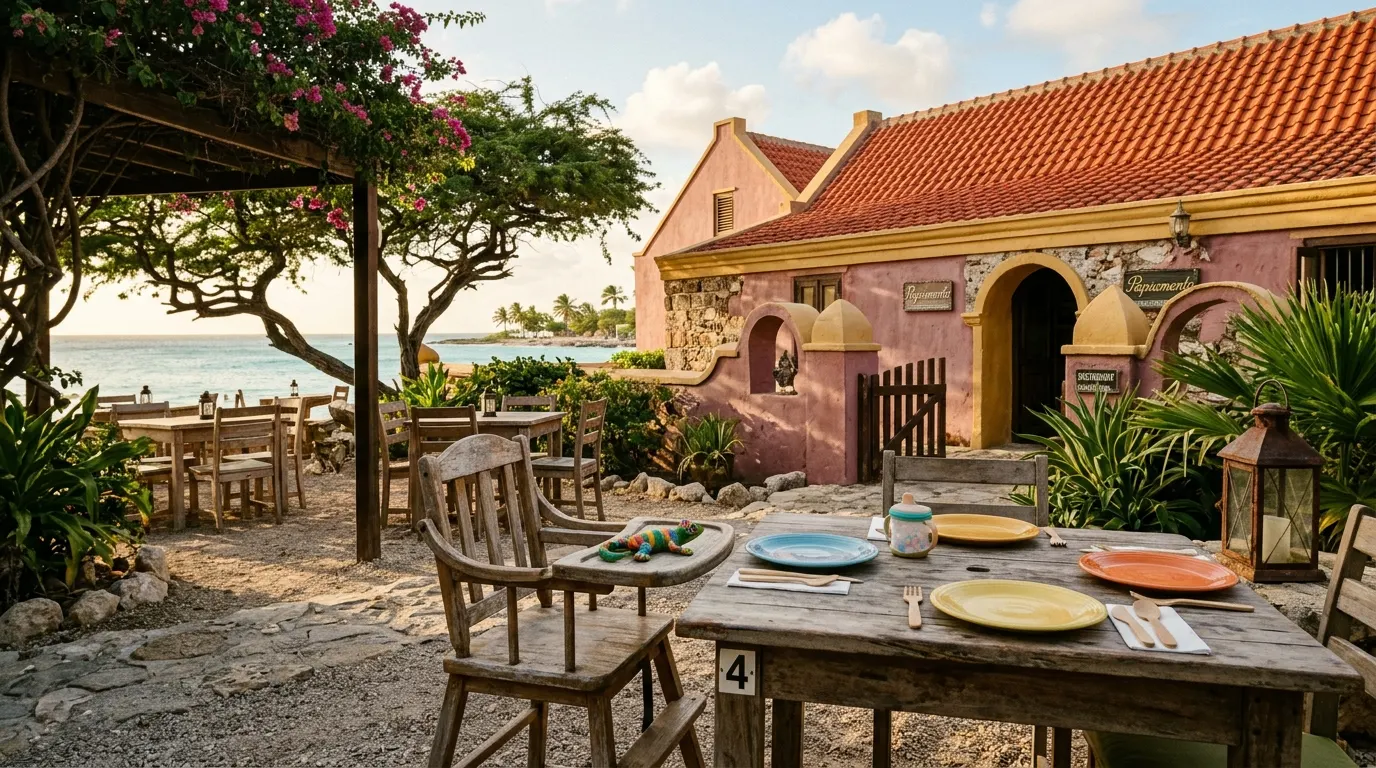
Dining out with a toddler can be the most daunting part of any vacation, but Aruba's dining scene is incredibly accommodating. The key is finding places with built-in entertainment or open-air environments where a dropped fork or a sudden squeal will not turn heads.
West Deck Island Grill
Located on Governor's Bay in Oranjestad, West Deck Island Grill is the ultimate "beach bar meets family dinner" establishment. It is laid-back, completely open-air, and offers spectacular views of the water and incoming airplanes—which serves as brilliant built-in entertainment for toddlers. The menu features approachable Caribbean food, and they are incredibly accommodating with simple requests like plain chicken or fries.
- Practical Details: Open daily from 10:30 AM to 10:30 PM. Expect to spend about $20-$30 USD (36-54 AWG) per adult entrée. Highchairs are readily available, and the wooden deck provides plenty of space for a stroller.
Marina Pirata
For a slightly more tucked-away experience, head to Savaneta to dine at Marina Pirata. This charming waterfront restaurant sits on a wooden pier directly over the water. The absolute best part for families? The restaurant is illuminated at night, attracting schools of fish right up to the pier. Toddlers will be completely captivated watching the fish swim by while you wait for your food. The seafood here is exceptionally fresh, and the staff genuinely loves interacting with young children.
Passions On The Beach
If you want to treat yourselves to a nice dinner without the stress of a formal dining room, Passions On The Beach is a fantastic compromise. Your table is set directly in the sand on Eagle Beach. While it is a high-end dining experience with incredible food and tiki torches, the fact that your toddler can literally sit at your feet and play in the sand with a bucket and shovel while you wait for your appetizers is priceless.
- Practical Details: Reservations are highly recommended, especially right at sunset (around 6:00 PM - 6:30 PM). Dinners run roughly $40-$60 USD (72-108 AWG) per adult.
Age-Specific Tips for Aruba with a Toddler (and Older Kids, Too)
Families rarely travel with just one age group in mind. Here is how to navigate the island depending on exactly how old your children are.
Toddlers (Ages 2-3)
At this age, the heat and disruption of routine are your biggest hurdles. Plan your beach outings for early morning (8:00 AM to 10:30 AM) or late afternoon (after 3:30 PM) to avoid the most intense sun. Stick primarily to Baby Beach where the water is entirely predictable. Renting a car is highly recommended for this age group so you can retreat to air conditioning on demand and easily haul your stroller, beach tent, and diaper bag without waiting for taxis.
Preschoolers (Ages 3-5)
Preschoolers have a bit more stamina and will love exploring the shoreline for shells and hermit crabs. This is a great age to introduce them to slightly more active beaches like Arashi Beach, where the gentle waves are fun to jump over but not strong enough to knock them down. They will also get a huge kick out of the colorful street murals in San Nicolas during the daytime.
School-Age (Ages 6-10)
Kids in this bracket are ready for real adventure. This is the perfect age to book a rugged off-road tour with ABC Tours Aruba (UTV Tours) to explore the wild, desert-like terrain of Arikok National Park. They will love the bumpy ride and the chance to see the island's dramatic northern coastline. This age group is also highly capable of tackling the Conchi Natural Pool (Arikok National Park). It requires a rugged 4x4 ride to get there, but the secluded swimming hole carved into volcanic rock is incredible for confident swimmers. Animal lovers will also enjoy a guided ride with Rancho Notorious Aruba (Horseback Riding) through the countryside.
Tweens and Teens (Ages 11-14)
Older kids need independence and adrenaline. Set them up at the Aruba Watersports Center on Eagle Beach. They can safely enjoy high-speed tubing, banana boat rides, and introductory windsurfing lessons while you relax under a nearby palapa. They will also appreciate exploring the downtown Oranjestad area for shopping and grabbing a local pastechi (a delicious fried pastry filled with cheese or meat).
What to Skip: Tourist Traps and Overhyped Spots for Families
Not every popular attraction on the island is suitable for young children. Save your time and money by skipping these spots until your kids are much older.
- Palm Island (Aruba): Often heavily marketed to families as an all-inclusive day trip with water parks and unlimited food. However, the actual shoreline here is incredibly rocky and pebbly, making it painful and difficult for toddlers to walk into the water without thick water shoes. The boat transfer and crowded environment can also be overwhelming for a two-year-old. Your money is better spent renting a nice cabana at Eagle Beach.
- Guadirikiri Cave: Located in Arikok National Park, this cave looks beautiful in photos due to the natural skylights. However, the interior is intensely hot, humid, and inhabited by hundreds of bats. The uneven, slippery footing and dark environment usually result in terrified, crying toddlers who just want to go back to the air-conditioned car.
- Papiamento Restaurant: This is a stunning, historic 100-year-old home that offers a phenomenal, high-end dining experience. However, the service is leisurely, the atmosphere is quiet and refined, and it is simply too formal for a restless toddler. You will spend the entire two-hour meal trying to keep them quiet.
- The Village Mall Aruba & Aruba Cruise Terminal: The Village Mall looks charming with its outdoor string lights, but it is primarily a nightlife and drinking hub that gets very loud in the evenings. Similarly, the Cruise Terminal area in Oranjestad is heavily congested with transit traffic and aggressive souvenir hawkers; it lacks the relaxed, family-friendly vibe you want on a beach vacation.
Pro Tips from Parents for a Seamless Trip
To make your trip to Aruba with a toddler as smooth as possible, keep these practical parent-tested tips in mind:
- Pack a Pop-Up Beach Tent: While many beaches offer palapas, they are highly competitive and often claimed by 8:00 AM. Bringing a lightweight, compact pop-up UV tent in your checked luggage ensures you always have a shaded spot for your toddler to nap or eat snacks, no matter what time you arrive at the beach.
- Rent the Bulky Gear Locally: Do not lug a heavy pack-and-play or a massive jogging stroller through the airport. There are several excellent, highly-rated baby gear rental companies on the island that will deliver sanitized cribs, highchairs, beach toys, and robust strollers directly to your hotel or Airbnb before you even check in.
- Beware the Wind: The trade winds are Aruba's best feature, but they mask the heat of the sun. You will not feel yourself getting sunburned. Rash guards with UPF 50+ are absolutely essential for toddlers, as applying (and reapplying) sunscreen to a sandy, squirming two-year-old every hour is a losing battle.
- Bring Reusable Water Bottles: Since the tap water is incredibly pure and safe, pack insulated, reusable water bottles for the whole family. Fill them with ice and tap water at your accommodation before heading out; it saves a fortune on bottled water and keeps everyone safely hydrated.
Traveling to Aruba with a toddler is one of the most rewarding family trips you can take. The combination of easy logistics, incredibly friendly locals who genuinely adore children, and some of the safest, calmest beaches in the Caribbean makes it a destination where parents can actually relax alongside their kids. By planning around nap times, prioritizing shallow waters like Baby Beach, and embracing the laid-back island dining, you will return home with wonderful memories rather than a need for a vacation from your vacation.