Rwanda is incredibly special. Known as the "Land of a Thousand Hills," this small, remarkably safe, and impeccably clean East African nation is steadily emerging as one of the most rewarding family destinations on the continent. While it often grabs headlines for luxury primate tourism, families willing to dig a little deeper will find a country brimming with vibrant culture, accessible wildlife, and profound resilience. If you are researching things to do in kigali & rwanda with kids, you might initially feel overwhelmed by the logistics of African travel or the heavy historical context of the 1994 genocide. However, navigating this country with children is surprisingly intuitive, provided you know exactly where to go and what to avoid.
The infrastructure here is excellent, the streets of Kigali are famously pristine, and the local culture is deeply family-oriented. Whether you are tracking rhinos across the savannah, learning traditional drumming in a rural village, or simply enjoying world-class coffee while your children play in a tropical garden, Rwanda offers a transformative experience. This guide breaks down the absolute best ways to explore the country as a family, prioritizing authentic connection, manageable logistics, and unforgettable joy.
Top Things to Do in Kigali & Rwanda with Kids
When planning your itinerary, it helps to divide your time between the cosmopolitan ease of Kigali and the wilder edges of the national parks. You can easily base yourself in the capital and take strategic trips outward. For a comprehensive overview of the region, bookmark our full Kigali & Rwanda city guide.
Wildlife and Nature Adventures
Rwanda’s conservation efforts are legendary, and experiencing them firsthand is a privilege. For a classic safari without the overwhelming crowds of neighboring countries, the Akagera National Park Safari is phenomenal. Located just a two-and-a-half-hour drive from Kigali, this is Rwanda’s only savannah park. It is home to the Big Five, and because the vegetation can be thick, the thrill of spotting a lion or elephant feels incredibly earned. For older children who understand the stakes of conservation, the Akagera Rhino Tracking (when offered via park/concession) is a true bucket-list experience. You walk on foot with expert rangers tracking these magnificent, critically endangered creatures. Note that this requires stamina and absolute quiet, so it is strictly for mature tweens and teens.
🎟️ Find family-friendly tours & activities →
If you are staying within the capital and want an immediate nature fix, Umusambi Village is an absolute must-visit. This beautifully restored 21-hectare wetland sanctuary is dedicated to rehabilitating endangered Grey Crowned Cranes rescued from the illegal pet trade. The walking trails are flat, beautifully maintained, and entirely stroller-friendly. It costs around $15 USD for adults (discounts for kids) and offers a peaceful, shady escape where toddlers can burn off energy safely.
Immersive Cultural Connections
Rwandan culture is rhythmic, welcoming, and deeply communal. To get out of the tourist bubble, book the Azizi Life Village Experience. Located about an hour outside Kigali, this full-day immersion pairs your family with a rural host family. You participate in their daily routine—whether that is hoeing the fields, fetching water, or cooking a traditional meal over an open fire. It is completely hands-on, and the language barrier dissolves instantly when kids start playing together.
For a higher-energy cultural display, the Iby’Iwacu Cultural Village in the north (near Musanze) is a fantastic "living museum." Many of the performers are former mountain gorilla poachers who have transitioned into conservation and cultural tourism. They teach visitors how to shoot traditional bows and arrows, grind millet, and participate in explosive, joyful drumming and dancing sessions. Kids are actively encouraged to join in, making it a loud, tactile, and deeply engaging afternoon.
🎟️ Book family tickets & skip-the-line tours →
Back in the capital, the Niyo Arts Center offers a brilliant way to support the local community while experiencing contemporary Rwandan culture. This vibrant gallery supports former street children through art, drumming, and dance. The energy here is infectious, the art is stunning, and purchasing a piece directly funds education and housing for vulnerable youth.
Navigating History with Care
You cannot visit Rwanda without acknowledging its history, but doing so with children requires deep parental discretion. The Kigali Genocide Memorial is the final resting place for 250,000 victims of the 1994 genocide against the Tutsi. It is an impeccably maintained, profoundly moving site. With younger kids (under 10), it is best to skip the interior museum entirely. Instead, take them through the beautiful, peaceful memorial gardens outside, framing the visit around themes of peace, remembrance, and how countries heal. If you are traveling with teenagers, the interior museum is a vital, albeit heavy, educational experience.
Family-Friendly Stays, Eats, and Treats
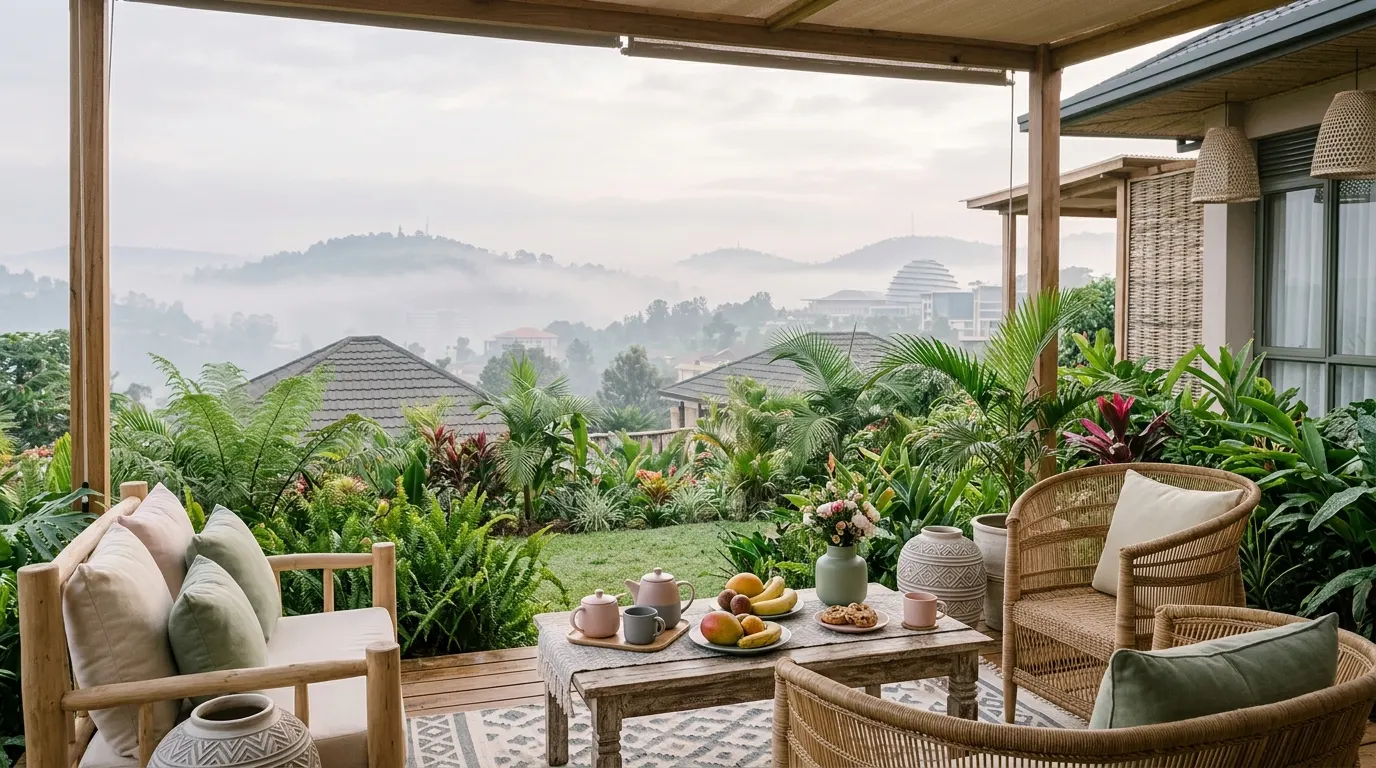
Rwanda has developed a reputation for ultra-luxury eco-tourism, but there are gems that specifically cater to families wanting both comfort and authentic connection.
When venturing into Akagera National Park, Magashi Camp offers an intimate, high-end safari experience. While it comes with a luxury price tag, their guides are phenomenal at tailoring game drives to younger attention spans, and the camp's location in a remote northern concession means you often have wildlife sightings entirely to yourselves. Down south, near the ancient rainforests, Nyungwe House, a One&Only Resort sits on a working tea plantation. It is exceptionally luxurious, offering guided tea-picking experiences and nature walks that feel like stepping back in time.
For daily sustenance in Kigali, Question Coffee is a parent's best friend. This world-class specialty cafe is a social enterprise supporting over 50,000 Rwandan women farmers. The coffee is exceptional, the Wi-Fi is fast, and they have a lovely outdoor garden where kids can stretch their legs while you refuel. If your timing aligns, do not miss the Kigali Farmers Market (at the German Club). Held monthly, it is a fantastic community gathering featuring local organic produce, handmade artisan crafts, and plenty of space for kids to run around while you sample local street food and baked goods.
Age-by-Age Guide to Things to Do in Kigali & Rwanda with Kids
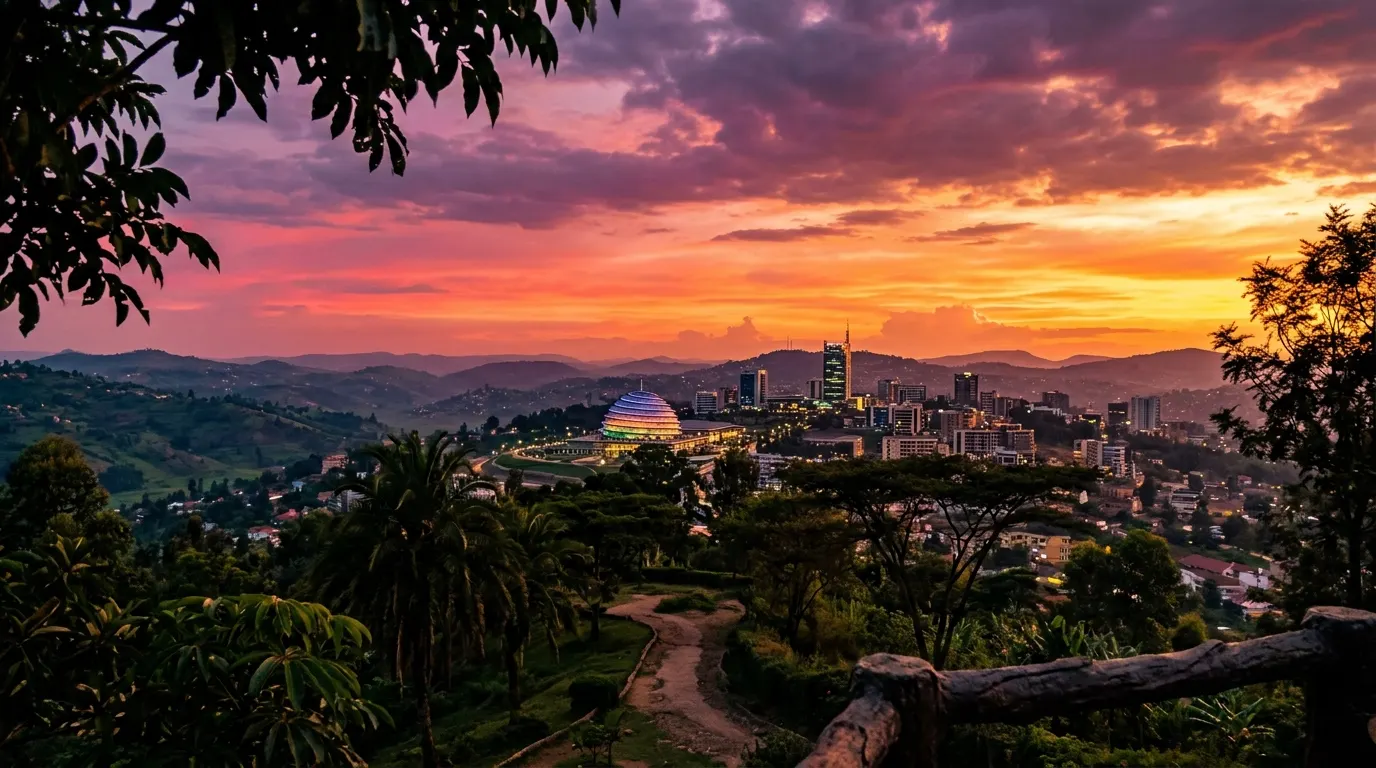
Tailoring your itinerary to your children's developmental stages is the secret to a successful African trip. What fascinates a teenager will quickly exhaust a toddler.
Toddlers (Ages 2-3)
At this age, minimize long drives and focus on tactile, open-air experiences. Umusambi Village is perfect for this age group, offering safe walking paths and the visual delight of the large, colorful cranes. Stick to Kigali-based activities and prioritize accommodations with swimming pools. Toddlers will also love the outdoor garden spaces at places like Question Coffee, where they can safely explore while you relax.
Preschoolers (Ages 3-5)
Preschoolers thrive on rhythm, music, and participation. The drumming and dancing at both the Niyo Arts Center and the Iby’Iwacu Cultural Village will absolutely captivate them. They are old enough to understand the basics of a safari, so a shortened game drive in Akagera National Park can be magical—just arrange for a private vehicle so you can head back to the lodge the moment their attention wanes.
School-Age (Ages 6-10)
This is a golden age for Rwanda. They are physically capable of more adventurous activities but still full of unbridled wonder. Take them to the Nyungwe National Park Canopy Walkway. This thrilling 160-meter suspension bridge hangs 50 meters above a prehistoric rainforest. It takes about an hour to hike to the bridge, and the sheer scale of the forest canopy is mind-blowing for a school-aged child. They will also get a massive thrill out of the hands-on village work at the Azizi Life Village Experience.
Tweens and Teens (Ages 11-14)
Older kids need autonomy and a sense of genuine adventure. The Musanze Caves (Grotte de Musanze) offer an incredible spelunking experience. Equipped with helmets and headlamps, you explore a 2-kilometer-long subterranean world of ancient lava tubes. It is dark, slightly eerie, and completely fascinating. Teens will also appreciate the deeper cultural insights offered by the Nyamirambo Women’s Centre (NWC). While you should skip their long walking tour (more on that below), booking a private basket-weaving or traditional cooking workshop at the center provides a brilliant, hands-on way for teens to interact with local women and understand urban Rwandan life. You might also consider a trip to the National Art Gallery of Rwanda (Rwesero Art Museum, Nyanza), housed in a stunning colonial-era palace, to give them a visual history of the country's royal past.
What to Skip: Overhyped or Not Kid-Friendly
Not every famous Rwandan attraction makes sense for families. Save your time, money, and sanity by avoiding these common pitfalls.
First and foremost, cross Volcanoes National Park Gorilla Trekking off your list if you have younger children. The park strictly enforces a minimum age of 15 for gorilla trekking due to the risk of childhood illnesses being transmitted to the primates and the sheer physical demand of the hike. It is a literal impossibility for younger kids, so do not promise them they will see gorillas. Similarly, avoid the One&Only Gorilla's Nest (Musanze). This ultra-luxury lodge charges upwards of $1,500 per night and maintains a strict policy excluding younger children to preserve the tranquil atmosphere for adult trekkers.
Skip the major volcano hikes, specifically the Bisoke Volcano Hike and the Karisimbi Volcano Hike. Bisoke is a grueling 6-7 hour trek through thick, sucking mud with a massive elevation gain. Karisimbi is a punishing two-day expedition. Neither is suitable, safe, or enjoyable for children under 15.
While the workshops at the Nyamirambo Women's Center are great, skip the Nyamirambo Women's Center Walking Tour. This involves over three hours of walking through narrow, crowded, and steep urban streets under the hot sun. Kids inevitably get exhausted and overwhelmed by the sensory input. Speaking of overwhelming, avoid the Nyabugogo Bus Park. As Rwanda's busiest transport hub, the noise, thick diesel fumes, and chaotic crowds make it a highly stressful environment for families.
Finally, while genocide education is important, you must skip the Murambi Genocide Memorial and the Bisesero Genocide Memorial with children. Murambi is the most graphic and visceral memorial in the country, featuring rooms filled with hundreds of preserved, mummified bodies. It is deeply traumatizing for young minds. Bisesero, while less graphic, requires a long, punishing drive up a remote dirt road that will leave kids exhausted and motion-sick before you even arrive. Stick to the gardens of the Kigali memorial instead.
Essential Practical Details for Families
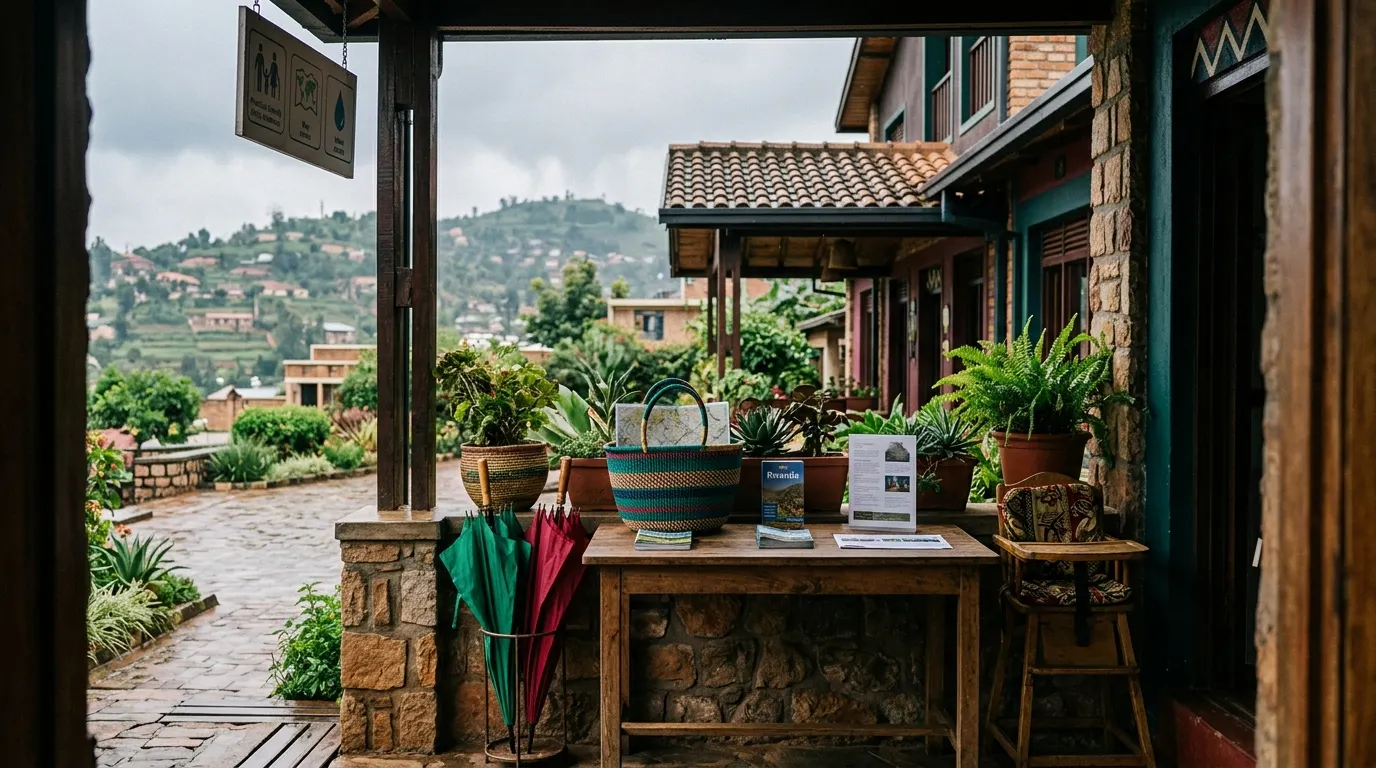
Traveling in Rwanda requires a bit of logistical foresight. The official currency is the Rwandan Franc (RWF), but US Dollars (printed after 2013, crisp and un-torn) are widely accepted at hotels, national parks, and major tour operators. For local markets and cafes, you will want RWF.
Getting around Kigali is easiest by hiring a private driver for the duration of your stay. While motorcycle taxis (motos) are everywhere, they are not safe for children. A private driver costs roughly $50-$80 USD per day and removes all the stress of navigating hilly terrain and finding parking.
Stroller accessibility is a mixed bag. Kigali is famously known as the "City of a Thousand Hills" for a reason. The sidewalks in the city center are excellent and clean, but the steep inclines make pushing a stroller a real workout. A high-quality, structured baby carrier or hiking backpack is a much better investment for this trip.
Regarding health, tap water is not safe to drink anywhere in Rwanda; always use bottled or heavily filtered water, even for brushing teeth. If you are heading to Akagera National Park, malaria prophylaxis is strongly recommended, as it sits at a lower altitude than Kigali. Consult your pediatrician well in advance for the right pediatric dosage.
Pro Tips from Parents for Visiting Rwanda
- The Plastic Bag Ban: Rwanda is fiercely committed to the environment and strictly outlaws single-use plastic bags. Your luggage will be searched at the airport, and any plastic bags (even the ziplocks holding your toiletries) may be confiscated. Pack using reusable silicone bags or fabric packing cubes instead.
- Prepare for Umuganda: On the last Saturday morning of every month, the entire country participates in Umuganda—mandatory community service. From 8:00 AM to 11:00 AM, shops are closed, and traffic is halted. Plan to have a slow morning at your hotel, as you will not be able to travel or sightsee during these hours.
- Pack for Altitude: Kigali sits at roughly 5,000 feet above sea level. While the days are warm and sunny, the temperature drops significantly as soon as the sun sets. Always pack a warm fleece or light jacket for evenings and early morning safari drives.
- Embrace the Pace: While Rwanda is highly organized, service at restaurants can still operate on a slower, more relaxed timeline than you might be used to at home. Always carry small snacks and order your kids' food the moment you sit down to avoid hanger meltdowns.
Traveling to East Africa with children is a profound investment in their worldview. By balancing thrilling wildlife encounters with meaningful cultural exchanges, you create a trip that is as educational as it is exciting. Finding the right things to do in kigali & rwanda with kids simply requires leaning into the country's natural rhythms, prioritizing connection over checking off extreme bucket-list items, and allowing the warmth of the Rwandan people to guide your family's journey.