Traveling overseas with children often feels like a daunting logistical puzzle, but choosing the right destination changes everything. The best family cities in europe are those that effortlessly blend rich cultural experiences with wide-open spaces, highly accessible public transit, and an underlying attitude that welcomes children rather than merely tolerating them. You want destinations where a toddler’s sudden need to run off energy can be solved by a world-class park just around the corner, and where a teenager’s boredom is instantly cured by interactive museums and thrilling boat rides.
When you select a city that genuinely caters to families, the stress of travel melts away. Instead of dragging reluctant kids through quiet, stuffy museums, you find yourself exploring ancient ruins that feel like movie sets, splashing in urban water features, and eating incredible local food in lively, noise-friendly plazas.
Drawing from extensive on-the-ground experience, we have narrowed down the absolute best family cities in europe. These seven destinations offer the perfect mix of parent-approved culture and kid-approved fun.
1. Algarve, Portugal: Sun, Sea Caves, and Sandcastles
While technically a region, the coastal hubs of the Algarve function as a massive, sun-drenched playground for families. With its dramatic coastline, calm waters, and incredibly family-focused local culture, it is a premier European destination for travelers with kids. The Portuguese revere children, meaning you will always be welcomed warmly in restaurants and cafes, even when your little ones are having a loud day.
Why Kids Love It
The natural landscape here is built for adventure. Older kids and teens will be absolutely mesmerized by the Benagil Sea Cave, a breathtaking natural cathedral with a massive skylight. You can take the highly recommended Carvoeiro Caves Boat Trip right from the sand to explore these hidden grottos safely. For a classic beach day, Praia da Falésia offers a stunning 6km stretch of golden sand backed by ochre cliffs, featuring some of the safest, most shallow waters for toddlers to splash in. If you need a break from the sand, Zoomarine Algarve is a massive hybrid marine life and water park that will easily occupy your family from open to close.
🎟️ Find family-friendly tours & activities →
Practical Details
- Opening Hours: Zoomarine typically operates from 10:00 AM to 6:00 PM (extended in peak summer).
- Costs: Zoomarine tickets run around €35-€40 ($38-$43 USD) for adults, and €25-€30 ($27-$32 USD) for kids. Beach access is, of course, free.
- Stroller Accessibility: Beach boardwalks are generally stroller-friendly, but accessing the sand at places with cliffs requires a baby carrier. The Centro Ciência Viva de Lagos is fully accessible and a great indoor escape on a hot day.
- Best Time to Visit: Early morning (before 10 AM) is crucial for boat trips before the winds pick up and the crowds arrive.
- Time Needed: Budget a full 6-8 hours for Zoomarine, and at least 3 hours for a morning beach and boat trip excursion.
2. Amsterdam, Netherlands: Two-Wheeled Adventures and Canal Magic
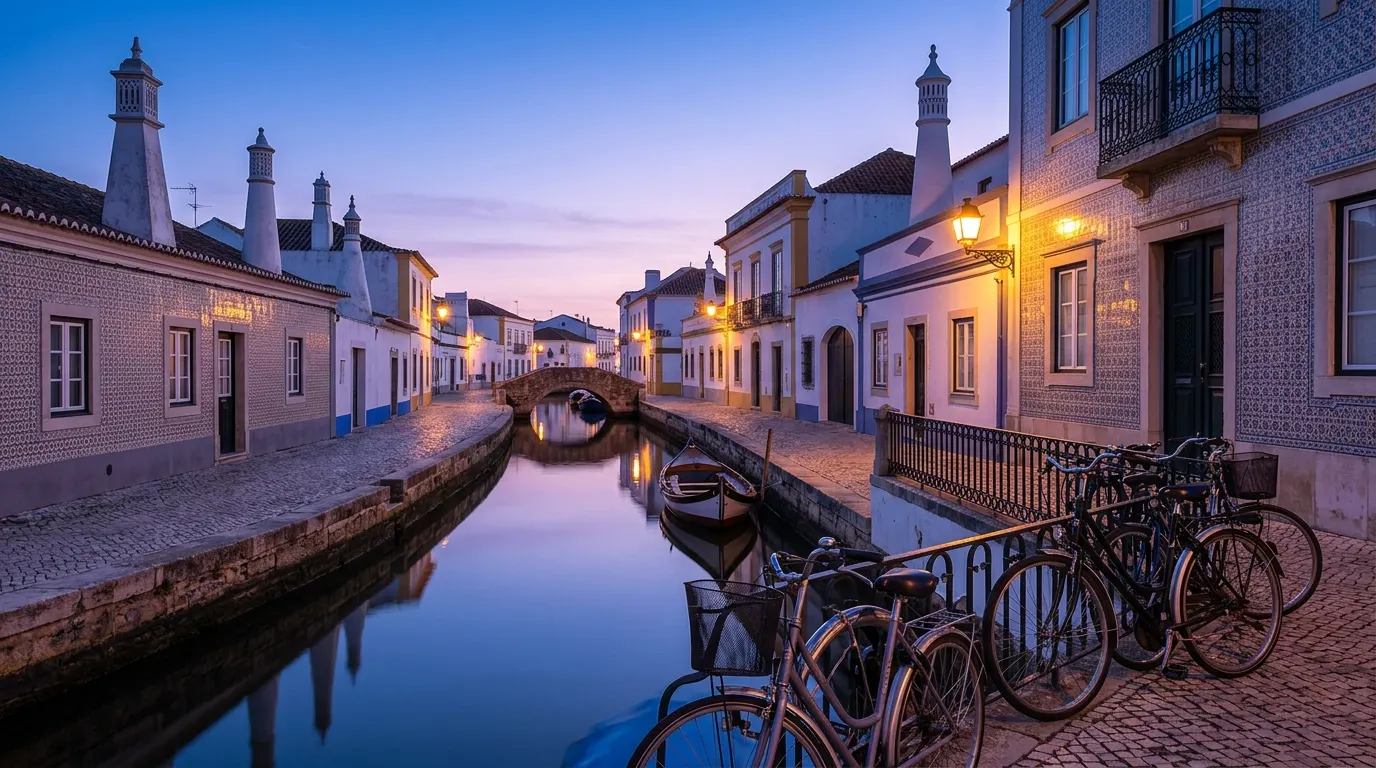
When searching for the best family cities in europe, Amsterdam consistently ranks at the top. The city’s flat terrain, incredibly safe cycling infrastructure, and abundance of green spaces make it a dream for traveling parents. Renting a bakfiets (a cargo bike with a large wooden bucket in the front) is a rite of passage and the absolute best way to transport tired toddlers while making them feel like they are on a theme park ride.
Why Kids Love It
Amsterdam feels like a city scaled for play. The NEMO Science Museum is an architectural marvel shaped like a giant green ship rising from the water, packed with five floors of hands-on, high-energy exhibits. Vondelpark is the city's backyard, featuring massive wooden play structures, wading pools, and cafes right next to the playgrounds so parents can sip a flat white while the kids climb. And do not skip a traditional Dutch pancake house—these massive, sweet or savory creations are a guaranteed crowd-pleaser for picky eaters.
🎟️ Book family tickets & skip-the-line tours →
Practical Details
- Opening Hours: NEMO Science Museum is open Tuesday through Sunday, 10:00 AM to 5:30 PM (open Mondays during school holidays).
- Costs: NEMO admission is €17.50 ($19 USD) for everyone aged 4 and up. Kids under 4 are free.
- Stroller Accessibility: The city is highly stroller accessible, but beware of the cobblestones in the historic center, which can make for a bumpy ride. Always look both ways for bikes before stepping into a street!
- Nearest Food: The NEMO rooftop features a wonderful cafe with panoramic city views, and Vondelpark has several family-friendly pavilions serving sandwiches and snacks.
- Time Needed: Plan for 3-4 hours at NEMO, and an entire afternoon exploring Vondelpark at a slow pace.
3. Barcelona, Spain: Whimsical Architecture and Beachfront Play
Barcelona is a sensory feast that effortlessly holds the attention of children. The city’s distinct blend of mountain parks, wide sandy beaches, and surreal architecture makes it feel like stepping into a storybook. Spanish culture embraces late nights and communal dining, meaning families are a common sight in tapas bars and plazas well past sunset.
Why Kids Love It
Antoni Gaudí’s creations are basically playgrounds built by a genius. Park Güell, with its mosaic dragons and gingerbread-style gatehouses, sparks incredible imaginative play. CosmoCaixa is one of the best science museums in Europe, featuring a massive indoor flooded rainforest complete with piranhas and capybaras. When the city heat peaks, you can easily hop on the metro and be at Barceloneta Beach in 15 minutes for sandcastle building and a dip in the Mediterranean.
🎟️ Find family-friendly tours & activities →
Practical Details
- Opening Hours: Park Güell opens at 9:30 AM and closes at 7:30 PM (hours vary slightly by season). CosmoCaixa is open 10:00 AM to 8:00 PM daily.
- Costs: Park Güell is €10 ($11 USD) for adults, €7 ($8 USD) for kids 7-12, and free for kids under 7. CosmoCaixa is a steal at €6 ($6.50 USD), and free for visitors under 16.
- Stroller Accessibility: Barcelona’s metro has elevators at most major stops. Park Güell is situated on a steep hill; while there are accessible paths, pushing a heavy stroller up the inclines is a serious workout.
- Best Time to Visit: Go to Park Güell right at opening time to avoid the intense midday sun and massive tourist crowds.
- Time Needed: Budget 2 hours for Park Güell and 3-4 hours for CosmoCaixa.
4. Bergen, Norway: Fjord Explorations and Fairytale Streets
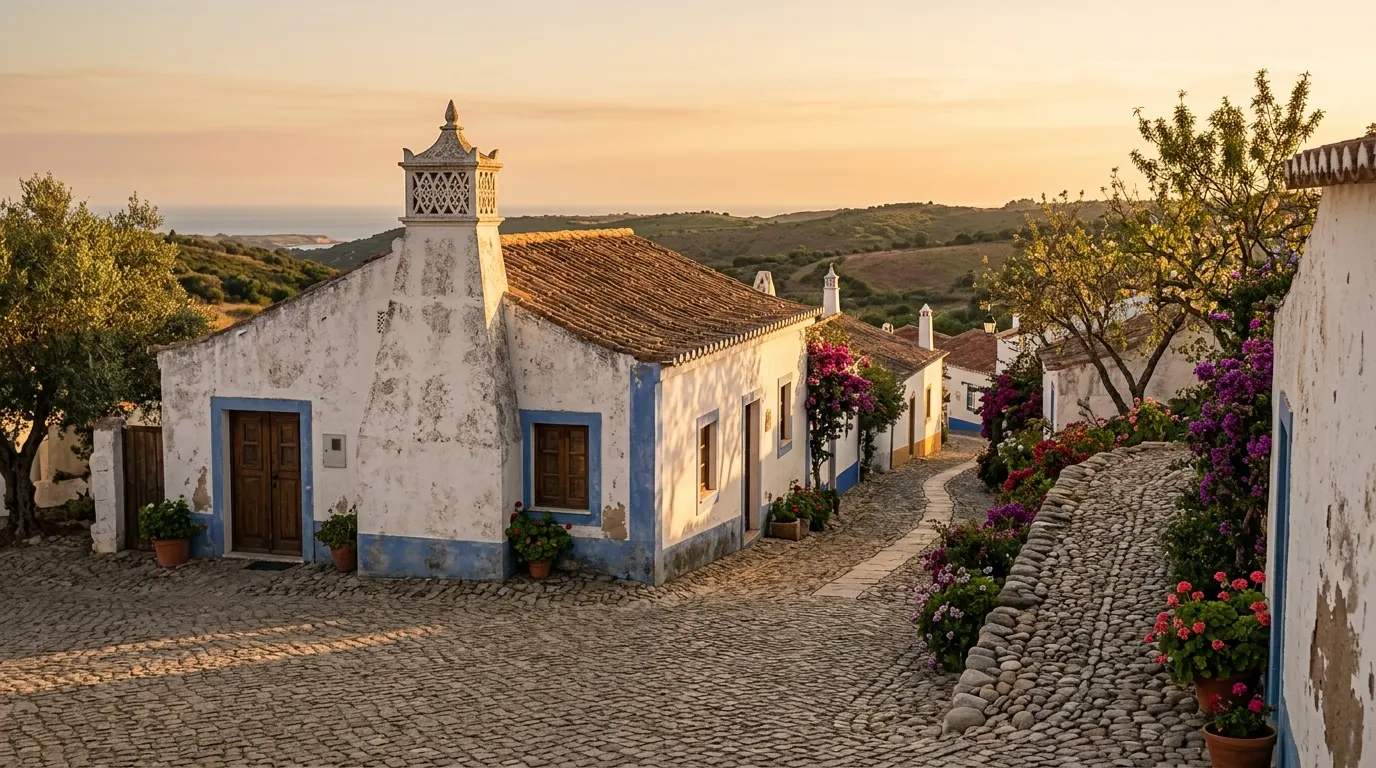
For families who prefer crisp air, dramatic scenery, and a highly organized, safe urban environment, Bergen is unparalleled. Nestled between seven mountains and deep fjords, this compact Norwegian city offers an incredible balance of outdoor adventure and cozy indoor maritime history.
Why Kids Love It
The adventure begins the moment you step onto the Fløibanen funicular, a glass-roofed cable car that pulls you straight up the side of Mount Fløyen. At the top, kids will discover the "Troll Forest" (Trollskogen), an enchanting wooded area filled with wooden troll statues and natural obstacle courses. Down at sea level, the historic Bryggen district feels like a maze of colorful wooden merchant houses to explore. The Bergen Aquarium (Akvariet) is small but highly engaging, featuring penguins, sea lions, and local fjord marine life.
Practical Details
- Opening Hours: The Fløibanen funicular runs continuously from 7:30 AM to 11:00 PM. The Aquarium is open 10:00 AM to 6:00 PM.
- Costs: A round-trip family ticket on the Fløibanen costs about 400 NOK ($36 USD). Aquarium family passes are roughly 895 NOK ($82 USD).
- Stroller Accessibility: The funicular is completely stroller-friendly, and the paths at the top of Mount Fløyen are wide, paved, and easy to navigate with wheels.
- Nearest Food: The mountaintop cafe at Fløyen serves excellent pastries and hot chocolate to warm up after exploring the Troll Forest.
- Time Needed: You can easily spend a half-day (4 hours) at the top of Mount Fløyen playing and picnicking.
5. Berlin, Germany: Expansive Parks and Interactive History
Do not let its reputation as a gritty nightlife capital fool you; Berlin is a phenomenal destination for families. The city is incredibly spacious, boasting some of the best urban playgrounds (Spielplätze) in the world, brilliant public transportation, and an abundance of green spaces where kids can roam freely.
Why Kids Love It
Berlin’s playgrounds are legendary, often featuring massive wooden pirate ships, dragon climbing structures, and extensive water-play areas (bring a change of clothes!). The MACHmit! Museum for Children, housed in a converted church, features a spectacular multi-story climbing maze. For dinosaur-obsessed kids, the Museum of Natural History (Museum für Naturkunde) houses the world’s largest mounted dinosaur skeleton, an awe-inspiring sight that will stop them in their tracks.
Practical Details
- Opening Hours: The Museum of Natural History is open Tuesday to Friday 9:30 AM to 6:00 PM, and weekends 10:00 AM to 6:00 PM.
- Costs: Museum of Natural History family tickets are €18 ($19.50 USD).
- Stroller Accessibility: Berlin is arguably the most stroller-friendly city in Europe. The U-Bahn and S-Bahn trains generally have dedicated stroller spaces, and the sidewalks are wonderfully wide.
- Best Time to Visit: Visit playgrounds in the late afternoon when local families gather; it is a great way for kids to play together despite language barriers.
- Time Needed: Budget 2-3 hours for the natural history museum, and leave plenty of unstructured time for park hopping in the Tiergarten.
6. Bordeaux, France: Water Mirrors and Easy Day Trips
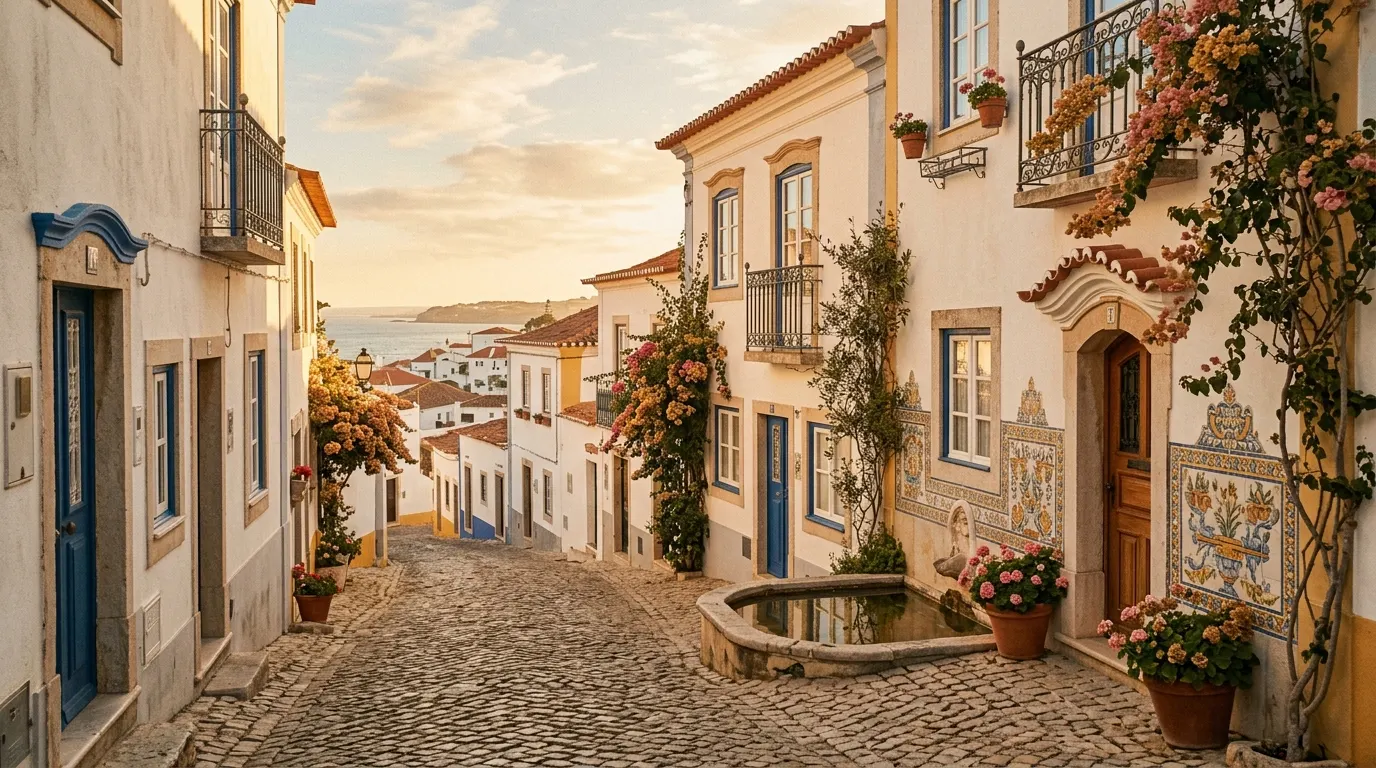
When you think of French wine country, toddlers might not immediately come to mind. However, Bordeaux has undergone a massive revitalization, turning its riverfront into a pedestrian paradise that is exceptionally well-suited for families looking for a slower, more refined pace.
Why Kids Love It
The undisputed highlight for young children is the Miroir d'eau, the world’s largest reflecting pool. Located right in front of the Place de la Bourse, this massive granite slab alternates between a 2cm deep pool and a thick, cooling artificial mist. Kids can run, splash, and play for hours here. Across the river, the Darwin Eco-système is an indoor/outdoor complex featuring an indoor skatepark, massive street art murals, and organic cafes with plenty of space for kids to be loud.
Practical Details
- Opening Hours: The Miroir d'eau operates daily from 10:00 AM to 10:00 PM (spring through autumn).
- Costs: The Miroir d'eau is completely free.
- Stroller Accessibility: The city’s modern tram system is flawlessly designed for strollers—you can roll right on without stepping up. The pedestrianized city center is flat and easy to navigate.
- Nearest Food: Grab fresh croissants or sandwiches from any local boulangerie for a picnic right by the riverfront.
- Time Needed: You will likely return to the Miroir d'eau multiple times during your trip. Plan for at least 1-2 hours per visit.
7. Athens, Greece: Ancient Myths Brought to Life
For school-aged kids and teens who have discovered Greek mythology, Athens is the ultimate travel prize. The city turns ancient history into a tangible, climbable adventure. While the summer heat requires careful pacing, the warmth of the Greek people toward families makes the effort entirely worthwhile.
Why Kids Love It
Seeing the Acropolis towering over the city is a genuinely thrilling moment. Walking up the ancient marble steps makes kids feel like they are stepping into a Percy Jackson novel. To break up the history, the Museum of Ancient Greek Technology is a brilliant, hands-on spot where kids can interact with working models of ancient inventions. The National Garden offers a shaded, jungle-like retreat right in the city center, complete with a small duck pond and a playground.
Practical Details
- Opening Hours: The Acropolis is open 8:00 AM to 8:00 PM in summer (shorter in winter).
- Costs: Acropolis tickets are €20 ($22 USD) for adults; children under 25 from non-EU countries pay €10 ($11 USD), and EU citizens under 25 are free.
- Stroller Accessibility: Leave the stroller at your hotel on Acropolis day. The ancient pathways are uneven, steep, and incredibly slippery. A baby carrier is mandatory here.
- Best Time to Visit: You must be at the Acropolis gates by 8:00 AM sharp to beat both the intense midday heat and the massive cruise ship crowds.
- Time Needed: Budget 2-3 hours for the Acropolis, moving slowly to accommodate little legs.
Age-By-Age Guide to the Best Family Cities in Europe
Not every city works for every developmental stage. Tailoring your itinerary to your child’s current age is the secret to a successful European getaway.
Toddlers (Ages 2-3)
At this age, wide open spaces and safe roaming areas are non-negotiable. Bordeaux is a standout here; the Miroir d'eau will keep a toddler giggling for hours while you sit nearby. The Algarve is also fantastic; beaches like Praia da Falésia offer massive stretches of sand where toddlers can dig safely without the worry of big surf.
Preschoolers (Ages 3-5)
Preschoolers thrive on interactive play and novelty. Amsterdam is a dream for this age group. Riding in the front of a cargo bike, exploring the hands-on water features at the NEMO Science Museum, and eating pancakes for dinner will make this trip unforgettable. Berlin’s epic, multi-story playgrounds are also a massive hit for highly active 4- and 5-year-olds.
School-Age (Ages 6-10)
School-age kids have the stamina for slightly longer days and the curiosity to appreciate unique environments. Barcelona shines here. Park Güell feels like a life-sized puzzle to explore, and CosmoCaixa will satisfy their growing scientific curiosity. In the Algarve, the Centro Ciência Viva de Lagos brilliantly blends maritime history with interactive science experiments that are perfect for 8-year-olds.
Tweens and Teens (Ages 11-14)
Older kids need autonomy, thrilling experiences, and things that look great in photos. Athens is incredible for tweens obsessed with mythology or history. In the Algarve, teens will love the adrenaline of the Carvoeiro Caves Boat Trip bouncing over the Atlantic waves, or exploring the dramatic cliffs of Ponta da Piedade. Bergen’s mountaintop hikes also offer a great physical challenge with a highly rewarding view.
What to Skip: Tourist Traps to Avoid
Even the best family cities in europe have attractions that look great on Instagram but are nightmares in reality. Using the Algarve as a prime example, here is what you should confidently cross off your list to save money, time, and your sanity.
- Algar de Benagil (Swimming to the Cave): You will see influencers doing this online, but attempting to swim to the famous sea cave from Benagil beach is extremely dangerous. The water traffic from heavy motorboats and kayaks is constant, and the ocean currents change rapidly. Book a proper, safe boat tour instead.
- AquaSplash (Estói): Do not waste your vacation budget here. It is a dated, cramped facility that offers terrible value at roughly €20 per person. If your kids want water slides, invest in a day at Zoomarine instead, which is vastly superior in safety, cleanliness, and entertainment value.
- Avenida Sá Carneiro (The Strip, Albufeira): If you are staying near Albufeira, avoid this specific street entirely. It is an infamous nightlife hub characterized by aggressive bar promoters, incredibly loud music, and rowdy crowds. It is stressful to navigate with a stroller and thoroughly inappropriate for a family evening stroll.
- Praia da Marinha (with toddlers): While widely considered one of the most beautiful beaches in the world, accessing it requires descending over 100 steep, uneven stone steps with absolutely no handrails. Carrying a squirming toddler, a diaper bag, and beach gear down (and back up) this cliffside is an exhausting safety hazard. Stick to beaches with flat boardwalk access.
Pro Tips from Parents for European City Breaks
- Map the Playgrounds, Not Just the Museums: Before you leave your hotel, drop pins on your digital map for the playgrounds closest to the major landmarks you plan to visit. When a museum meltdown is imminent, knowing you are only a three-minute walk from a swing set is a lifesaver.
- Embrace the Grocery Store Picnic: Dining out for three meals a day in Europe with kids is expensive and exhausting. Hit a local market (like a Mercadona in Spain or an Albert Heijn in Amsterdam), buy fresh bread, local cheese, fruit, and charcuterie, and eat in a public park. The kids can run around, and you get a stress-free, cheap meal.
- Invest in Multi-Day Transit Passes: Fumbling for coins or trying to decipher ticket machines while holding a toddler’s hand is highly stressful. Buy 3-day or 7-day unlimited public transit passes the moment you arrive. The freedom to hop on a tram for just one stop because little legs are tired is worth every penny.
- Shift Your Schedule: European cities often operate on a later schedule than you might be used to at home. Dinner service in Spain or Greece might not start until 8:00 PM. Lean into this! Let the kids stay up late, sleep in the next morning, and take a long afternoon rest during the hottest part of the day.
Wrapping Up Your European Adventure
Taking your children across the Atlantic is a big investment of time, money, and energy, but the rewards of watching them interact with different cultures and histories are immeasurable. By focusing your itinerary on the best family cities in europe, you ensure that the trip is not just an endurance test for parents, but a genuinely joyful vacation for everyone. Embrace the slower pace, lean into the local customs, and remember that sometimes the most memorable part of a trip isn't the grand museum, but the afternoon spent eating ice cream on a sunny plaza steps away from a medieval cathedral.