Feeding a family on vacation is often the hidden budget-buster that catches parents off guard. You secure the flights, book the perfect family-friendly lodging, and map out the museums, only to realize that buying three meals a day for a crew of four or five is costing as much as the hotel itself. When searching for the best family cities in other regions around the globe, savvy parents know to look beyond the cost of attractions and deeply investigate the local food culture.
Some destinations are practically built for affordable family dining. Whether it is a culture of massive sharing plates, ubiquitous bakeries that sell hearty pastries for pennies, or destinations where cooking and gathering your own food is the main attraction, you can drastically reduce your daily spend. We have compiled a guide to locations where feeding your children is either remarkably inexpensive, cleverly bundled into activities, or legitimately free.
1. Antigua Guatemala: Cobblestone Charm and Culinary Wonders
If you are looking for a destination that perfectly balances culture, outdoor adventure, and incredibly affordable food, check out our City Guide: /city/antigua-guatemala. Antigua is famous for its cobblestone charm and volcano vistas, but for families, it is a culinary playground where kids can literally eat their activities.
For a hands-on experience that doubles as a massive treat, take your kids to Fernando's Kaffee (Chocolate Workshop). This cozy, family-run cafe and workshop allows kids to get their hands dirty with the entire bean-to-bar process. They will roast the cacao beans, grind them, and pour their own chocolate molds. The workshop costs around 150 GTQ (roughly $19 USD), and the amount of chocolate they get to eat and take home easily replaces the need for dessert for the next three days.
🎟️ Book family tickets & skip-the-line tours →
For a full meal disguised as an educational experience, book a session at the Guatemala Cooking School (Antigua Guatemala). This is a hands-on cultural immersion where families learn to cook traditional Guatemalan staples like pepián (a rich, savory stew). For the cost of the class, your entire family gets a massive, multi-course meal that you prepared yourselves. It is incredibly engaging for kids, and the school is very accommodating to younger chefs.
If your family loves the outdoors, you cannot miss Pacaya Volcano. Booking Antigua Volcano Tours (Pacaya with Old Town Outfitters) provides a professionally guided, manageable hike up one of Guatemala's most active volcanoes. The main event for the kids? Roasting marshmallows over the thermal vents near the summit. It is a high-reward experience, and the "volcano-cooked" marshmallows are a free treat they will talk about for years.
When you need a relaxed day of exploring, wander the grounds of Hotel Museo Spa Casa Santo Domingo - Ruinas. This sprawling, magical complex is built into the ruins of an 18th-century convent. You can grab highly affordable, fresh street food from nearby vendors and eat it in the surrounding public plazas. For a morning excursion, head up to Cerro de la Cruz for the quintessential photo of Antigua with Volcán de Agua towering in the background, or visit Iglesia y Convento de La Merced, an iconic yellow baroque church with adjacent convent ruins perfect for little ones to safely explore.
For a change of scenery, a Lake Atitlán Day Trip is highly recommended. The drive to Lake Atitlán (Panajachel) reveals a breathtaking volcanic crater lake surrounded by indigenous Mayan villages. If you decide to stay overnight, Posada de Santiago (Lake Atitlán) is a rustic-chic lakeside lodge that serves massive, family-friendly portions of local food. While at the lake, visit Reserva Natural Atitlán, a former coffee plantation turned eco-reserve featuring a massive butterfly geodome and roaming coatis.
Back in Antigua, coffee-loving parents will appreciate Finca Filadelfia Coffee Resort & Tours, a sprawling, historic coffee estate where kids can see exactly where their parents' morning brew comes from while running off energy in the safe, enclosed grounds. If you want to introduce your kids to history without overwhelming them, the Iximché Archaeological Site is a manageable, park-like Mayan ruin site that serves as a perfect introduction to archaeology for families.
Finally, if you happen to visit during the right seasons, the cultural festivals provide incredible, nearly free street food. Antigua's Semana Santa (Holy Week) Processions cover the cobblestone streets in intricate, hand-made sawdust carpets, accompanied by vendors selling cheap, delicious tamales. Similarly, the Giant Kite Festival (Festival de Barriletes Gigantes) - Sumpango is a breathtaking cultural spectacle where massive, hand-crafted tissue-paper kites fly above a vibrant landscape of affordable local food stalls.
What to Skip in Antigua Guatemala
Not every highly rated attraction is ideal for children. To keep your trip running smoothly, here are a few things to cross off your family itinerary:
- Volcán de Fuego Viewpoints: While the sight of an erupting volcano is mesmerizing, the physical trek to the viewpoints on the slopes of Acatenango is grueling, steep, and completely inappropriate for children under 12. Stick to Pacaya instead.
- Public Laundry Lavandería (Santa Clara): This historic site is an active communal laundry. The stone floors are perpetually wet and extremely slippery, making it a hazard for toddlers, and kids running around can disrupt the local women trying to do their daily washing.
- Nightclubs on 4a Calle Oriente & Las Vibras de la Casbah: This area is the epicenter of Antigua's nightlife, transforming into a loud, alcohol-fueled corridor. Avoid booking accommodations near here if you want your kids to sleep.
- Yoga Forest (Lake Atitlán): This is a dedicated spiritual retreat center that requires a grueling 20-minute uphill hike from the dock. It requires absolute silence and is not a place for energetic kids.
- San Lucas Sacatepéquez Food Market: While famous for authentic Guatemalan street food, the soul-crushing traffic to reach San Lucas can take hours, leading to miserable, hungry kids in the back of a hot car.
- Cerro Alux Nature Reserve: This cloud forest reserve lacks the basic infrastructure families need, featuring poorly marked trails and very limited restroom facilities.
- La Casa del Ron (Antigua Guatemala): This is a high-end rum cellar and tasting room dedicated to Zacapa rum. It is fundamentally an adult-only environment with fragile bottles and zero entertainment for children.
2. Plovdiv, Bulgaria: Bakery Delights and Mehana Feasts
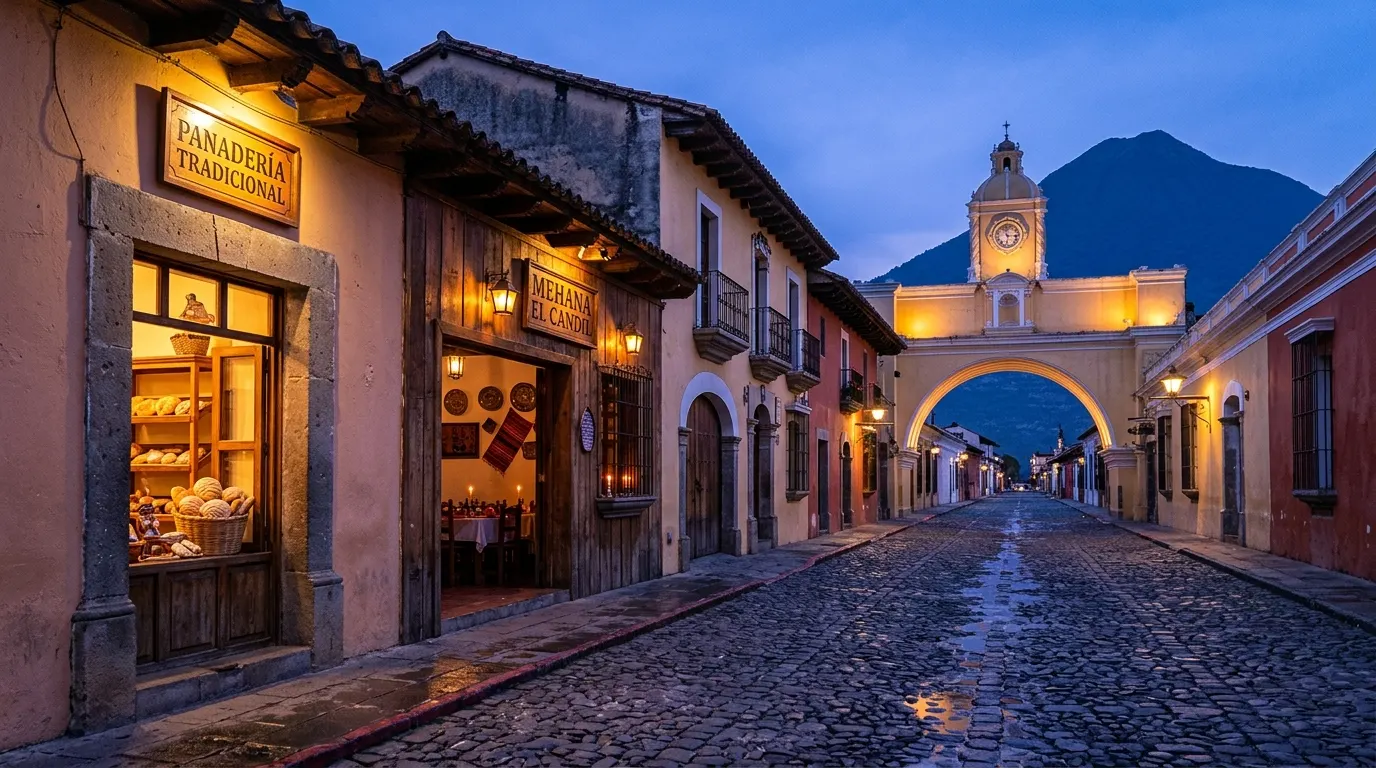
Eastern Europe is a treasure trove for budget-conscious families, and Plovdiv stands out as a culinary highlight. As detailed in our City Guide: /city/plovdiv, this ancient city runs on bakery culture.
Every morning, local bakeries churn out massive squares of banitsa—a flaky, buttery pastry filled with sirene (a Bulgarian white cheese similar to feta). A piece large enough to fill up a hungry ten-year-old costs around 2 to 3 BGN (about $1.10 to $1.60 USD). You can easily feed a family of four breakfast for under $6.
For dinner, traditional Bulgarian taverns, known as mehanas, serve food in massive, communal clay pots. Dishes like kavarma (a slow-cooked meat and vegetable stew) or massive mixed grill platters are designed to be shared. Because the portion sizes are so overwhelming, you rarely need to order a separate meal for younger children. They simply eat off the communal plates for free. While the Old Town’s cobblestones make stroller use difficult, the Kapana arts district is flat, pedestrian-only, and lined with cafes where kids can safely run around while you finish your meal.
3. Kotor, Montenegro: Slices of Pizza and Seaside Snacks
Nestled in a spectacular bay, Kotor looks like a high-end, expensive Riviera destination, but its food culture is surprisingly accessible. According to our City Guide: /city/kotor, the secret to feeding kids here on a budget is the local pekara (bakery).
Montenegro has a strong Italian influence due to its geography, meaning pizza is everywhere. However, instead of sitting down at a formal restaurant, head to a pekara where they sell quarter-pizza slices the size of a dinner plate for €2.00 to €2.50. You can grab a few slices, some local apple juices, and sit right on the stone walls overlooking the Bay of Kotor.
When you do sit down for a meal, Montenegrin hospitality shines. Waiters frequently bring out complimentary baskets of fresh bread, local cheeses, and olive oil as soon as you sit down. For toddlers and preschoolers, this complimentary bread and cheese often serves as their entire meal before the main courses even arrive.
🎟️ Find family-friendly tours & activities →
4. Kigali, Rwanda: Fresh Markets and Generous Hospitality
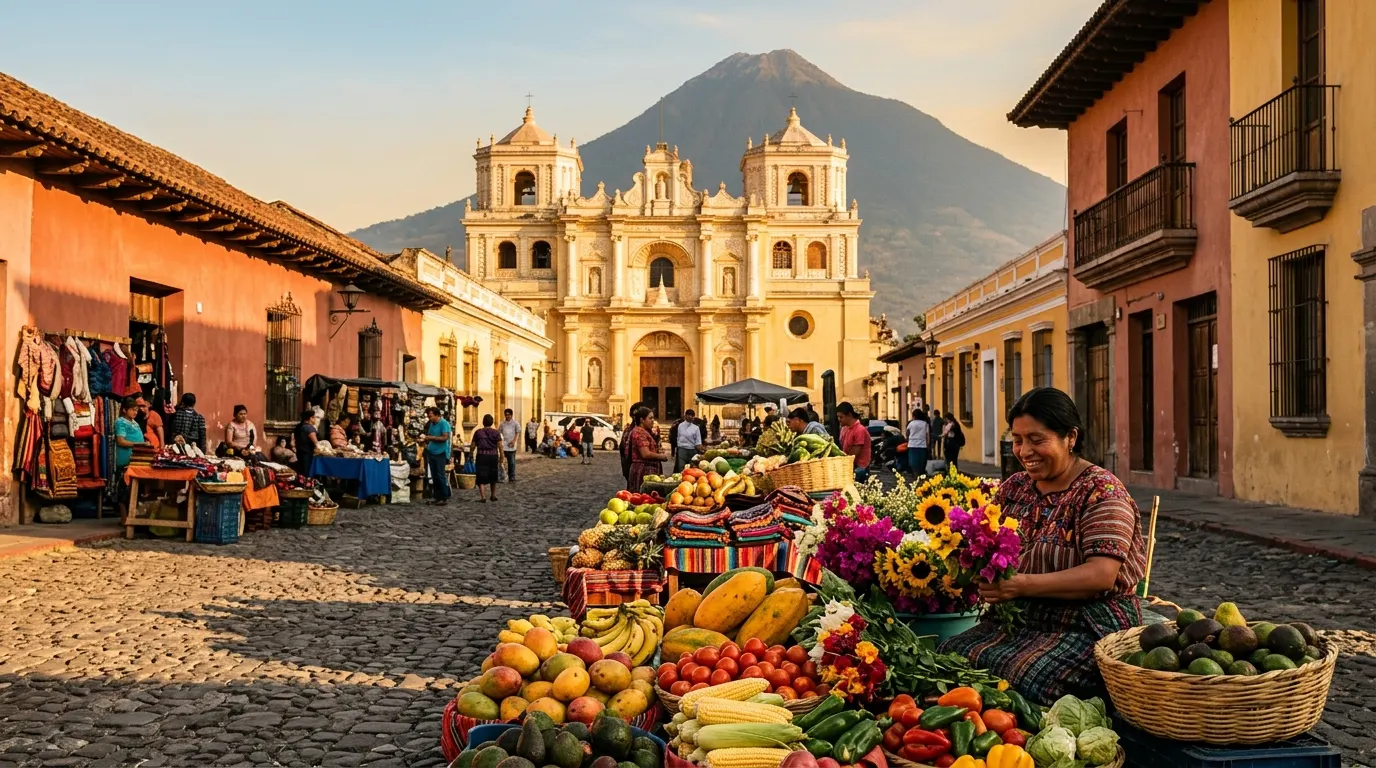
If you are expanding your travels to the African continent, Kigali is one of the cleanest, safest, and most welcoming cities you can visit. As noted in our City Guide: /city/kigali-rwanda, the food culture here is incredibly conducive to feeding a family affordably.
The staple of Rwandan dining out is the brochette—grilled skewers of goat, beef, or fish, usually served with roasted potatoes or plantains. A skewer costs just a few dollars, and you can easily order a stack of them for the center of the table.
Furthermore, Kigali's fruit markets are legendary. For less than $5 USD, you can walk away with bags full of sweet mini-bananas, passionfruit, tree tomatoes, and mangoes. Keeping your hotel room stocked with these fresh, healthy, and practically free snacks means your kids are never hungry between meals. Many mid-range restaurants also offer a lunch mélange (a massive, high-quality buffet of stews, beans, rice, and vegetables). Children under five are frequently not charged at all to eat from the buffet, making it a fantastic midday option.
5. Windhoek, Namibia: Braai Culture and Hearty Portions
Namibia is famous for its vast landscapes, but its capital city is a fantastic place to fill up before heading into the desert. In our City Guide: /city/windhoek-namibia, we highlight the local braai (barbecue) culture, which is heavily influenced by both indigenous traditions and German heritage.
Meat is the star of the show in Windhoek, and it is remarkably inexpensive. At iconic family-friendly restaurants, you can order massive steaks, schnitzels, or game meats (like springbok or kudu) for a fraction of what they would cost in North America. The portions are so large that sharing a single adult meal between two children is standard practice, and waiters will happily bring extra plates without an unstated "sharing fee."
Many of the family-focused lodges and beerhouses on the outskirts of the city also have dedicated playgrounds right next to the dining tables. They understand family dynamics perfectly, often providing free bowls of chips (fries) or bread for kids the moment you sit down to keep meltdowns at bay while the food is cooking.
6. Bermuda: Strategic Resort Dining Where Kids Eat Free
At first glance, Bermuda does not belong on a budget dining list. It is an isolated island where most food is imported, making grocery and restaurant prices notoriously high. However, as we break down in our City Guide: /city/bermuda, Bermuda has mastered the strategic "Kids Eat Free" program.
Because the island wants to attract families year-round, many of the major resorts offer packages where children under 12 eat completely free at the hotel restaurants as long as an adult is purchasing a meal. This applies to massive breakfast buffets, poolside lunches, and formal dinners.
If you venture off-resort, look for local British-style pubs in Hamilton during the "early bird" window (typically 4:30 PM to 6:00 PM). Many of these establishments offer complimentary kids' meals with the purchase of an adult entrée to draw in the after-school and early-dinner crowd. By timing your meals correctly, you can bypass the island's high food costs entirely.
7. Oaxaca City, Mexico: The Ultimate Market Grazing
For families who love vibrant flavors, Oaxaca City is arguably the best culinary destination in North America. The street food and market culture here means you can feed a family of five for the price of a single appetizer back home.
Head to the Mercado 20 de Noviembre and walk through the Pasillo de Humo (Smoke Alley). You purchase raw, thinly sliced meats for a few pesos, and the vendors grill it right in front of you, serving it with massive stacks of fresh corn tortillas, mild salsas, and grilled onions. Kids love the interactive, fiery nature of the market.
For a sit-down option, order a tlayuda—often called a Oaxacan pizza. It is a massive, toasted tortilla covered in refried beans, stringy quesillo cheese, and meats. One tlayuda is usually enough to feed two adults and a child, and it rarely costs more than $5 or $6 USD. Add in the cheap street churros and fresh fruit paletas (popsicles), and your kids will be eating like royalty for pennies.
Age-Specific Tips for Dining Around the Globe
Toddlers (Ages 2-3)
When dealing with toddlers, patience is thin and messes are guaranteed. In cities with heavy market cultures (like Oaxaca or Kigali), bring a wipeable, foldable silicone placemat and your own travel bibs. Toddlers do best with the bakery cultures of Plovdiv and Kotor, where you can hand them a piece of soft bread or cheese pastry while they sit securely in their stroller.
Preschoolers (Ages 3-5)
This age group loves autonomy but has small appetites. Tapas-style eating, sharing plates, and buffet mélanges are perfect for them. Let them point to what they want from a display case. In places like Windhoek, take full advantage of restaurants with attached playgrounds so they can burn off energy while waiting for the food to arrive.
School-Age (Ages 6-10)
This is the golden age for interactive food experiences. Book the chocolate workshops and cooking classes in Antigua Guatemala. They are old enough to follow instructions, safely stand near a stove with supervision, and feel a massive sense of pride when eating the meal they created themselves.
Tweens and Teens (Ages 11-14)
Teenagers are hollow pits that require constant feeding. Give them a small daily allowance in the local currency and let them navigate the local bakeries or fruit markets on their own to buy their snacks. It teaches them currency conversion, builds confidence, and takes the burden of constant snack-fetching off your shoulders.
Pro Tips from Parents for Finding "Kids Eat Free" Deals
- Always Ask About Portion Sizes: Before you automatically order from the kids' menu, ask the waiter how large the adult portions are. In places like Namibia or Bulgaria, a single adult entree is easily enough for you and your seven-year-old to share.
- Embrace the Early Dinner: If you are traveling in more expensive destinations like Bermuda, eating dinner at 4:30 PM or 5:00 PM often unlocks "early bird" specials where kids eat free. Plus, it ensures you get a table without a reservation and avoids the overtired evening meltdowns.
- Bakeries Are Your Best Friend: Skip the expensive hotel breakfasts. Send one parent out at 7:00 AM to the local pekara or panadería to grab fresh pastries and fruit for a fraction of the cost.
- Pack Reusable Containers: When traveling in countries known for massive portions, bring a few lightweight, collapsible silicone containers in your daypack. Packing up the leftover pizza from Kotor or the extra tlayuda from Oaxaca means tomorrow's lunch is already handled.
Wrapping Up Your Culinary Adventures
Feeding your children well on vacation does not require maxing out your credit card. By leaning into local bakery cultures, embracing street food, sharing massive traditional portions, or strategically booking activities that include a meal, you can keep your family full and happy on a budget. When you seek out the best family cities in other parts of the world, remember that the most memorable meals are rarely found in expensive, white-tablecloth restaurants. They are found in the chocolate-smudged smiles of a workshop in Antigua, the shared pizza slices on a stone wall in Montenegro, and the bustling, vibrant markets of Oaxaca. Happy travels, and even happier eating!