Traveling across continents with children requires a delicate balance of adventure, education, and pure logistical strategy. When you are looking for the best family cities in middle east & africa, you want destinations that offer rich, transformative cultural immersion without sacrificing the basic comforts your kids need, like reliable transport, safe food options, and moments of downtime. Stepping away from the standard theme park vacations and into ancient desert cities or vibrant coastal capitals opens up a world of resilience and curiosity for your children.
From the rugged, penguin-dotted coastlines of the South Atlantic to the ancient, echoing canyons of the Jordanian desert, these regions offer experiences that textbooks simply cannot replicate. Planning a trip here means trading predictable routines for extraordinary memories, provided you have the right local knowledge to navigate the bustling markets, diverse climates, and unique pacing of each destination. Here is a comprehensive guide to the most rewarding urban hubs for families exploring these magnificent continents.
1. Cape Town, South Africa
Cape Town consistently ranks as a premier destination for traveling families, offering an almost unbeatable combination of wild nature and highly developed urban infrastructure. Nestled between the towering, flat-topped Table Mountain and the crashing waves of the Atlantic Ocean, the city provides a soft landing for families venturing into Africa for the first time.
Start your mornings at the V&A Waterfront, a highly stroller-friendly harbor district packed with family-oriented attractions, including the spectacular Two Oceans Aquarium. The waterfront is also your departure point for the Robben Island ferry, though this history-heavy tour is best reserved for older tweens and teens. For younger kids, the absolute highlight will be Boulders Beach, located about an hour south of the city center. Here, you can walk along accessible wooden boardwalks to watch thousands of wild African penguins waddling in the surf.
Practical Details:
- Currency: South African Rand (ZAR). Roughly 100 ZAR = $5.30 USD.
- Getting Around: Uber is incredibly reliable, safe, and inexpensive for family transport across the city.
- Best Time to Visit: October to April offers warm, dry weather perfect for beach days and mountain ascents.
- How Long to Spend: 5 to 7 days to account for weather delays on the Table Mountain Aerial Cableway.
🎟️ Book family tickets & skip-the-line tours →
Read our complete City Guide: /city/cape-town for more neighborhood-specific advice.
2. Accra, Ghana
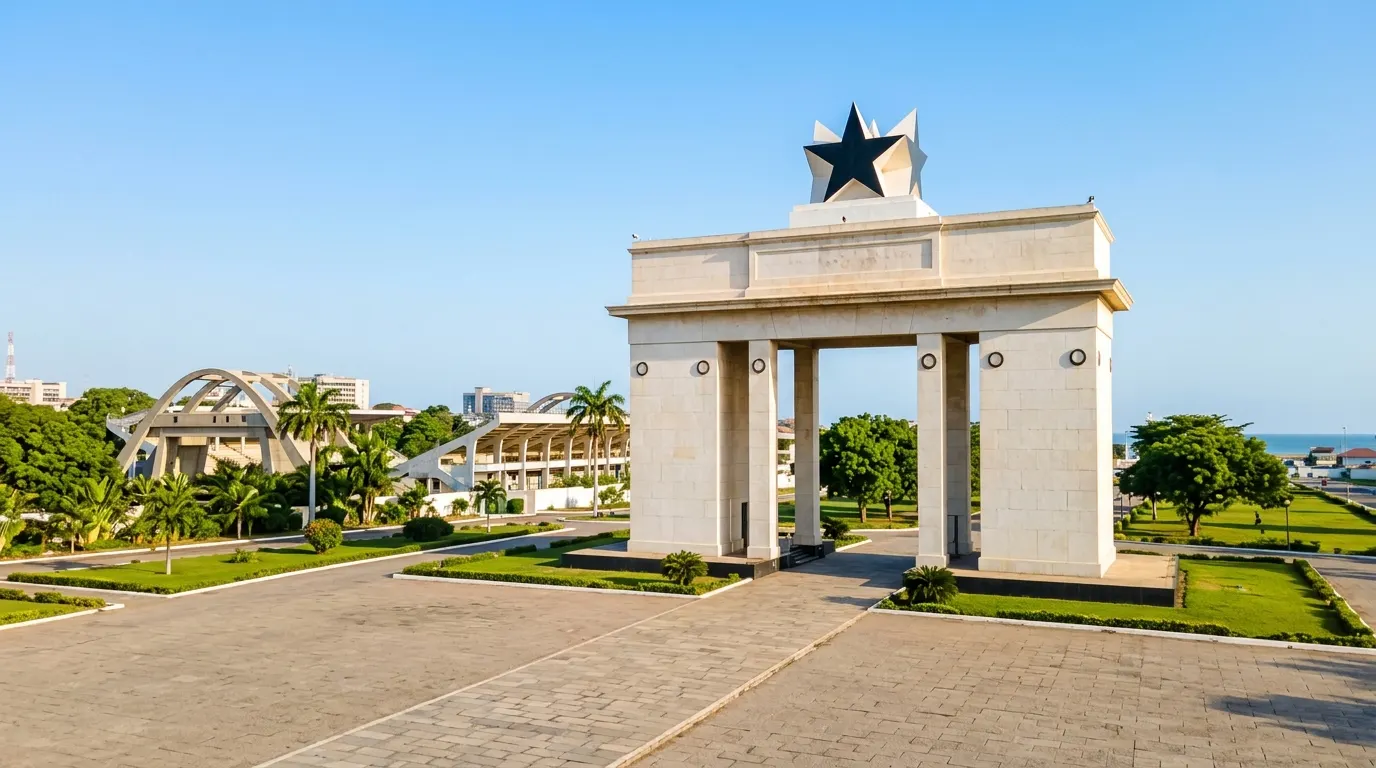
Accra is a vibrant, deeply historic, and rapidly modernizing West African capital. It is a city of sensory abundance—brightly colored textiles, the scent of roasting plantains, and the rhythmic sound of highlife music. You can spend your mornings climbing the historic Jamestown Lighthouse, relaxing on the sands of Labadi Beach, and savoring street-side kelewele (spicy fried plantains) with your crew.
For a deep dive into the local culture, book the Omanye House (Jamestown walking tour), led by local Ga residents who know how to keep kids engaged with the historic heart of the city. When the West African heat peaks, head indoors to the Artists Alliance Gallery, a massive three-story treasure trove where kids will be fascinated by the world-famous, brightly painted "fantasy coffins" shaped like cars, fish, and airplanes. If you need a premium, air-conditioned sanctuary for lunch, Santoku Restaurant (Osu) offers an exceptional and calm Japanese dining experience.
Accra is also your gateway to the central coast. A day trip to Kakum National Park is mandatory for thrill-seeking families; the world-famous canopy walkway is suspended 40 meters above a lush rainforest. Pair this with a profoundly moving visit to Cape Coast Castle or the UNESCO-listed Elmina Castle. Keep in mind that these sites served as major hubs for the trans-Atlantic slave trade; they are emotionally heavy and best suited for older, school-aged children and teens.
Practical Details:
- Currency: Ghanaian Cedi (GHS). Roughly 100 GHS = $8.00 USD.
- Getting Around: Download Uber or Bolt before arriving to avoid the stress of haggling with street taxi drivers.
- Downtime: If you need a break from the city buzz, head east to Aqua Safari Resort in Ada, where the Volta River meets the Atlantic, offering calm waters and a "safari-lite" experience.
🎟️ Find family-friendly tours & activities →
For a full breakdown of family logistics in Ghana, check our City Guide: /city/accra.
3. Amman & Petra, Jordan
Amman serves as the perfect, welcoming basecamp for families exploring the broader wonders of Jordan. Built on rolling hills, the city is a fascinating mix of ancient ruins and modern cafes. The Amman Citadel sits at the highest point of the city, offering wide-open spaces where kids can safely stretch their legs among towering Roman pillars and the remnants of the Temple of Hercules.
While Amman is fantastic, the crown jewel of Jordan is, of course, Petra, located a few hours south. Navigating the Siq—the narrow, towering sandstone gorge that leads to the famous Treasury—is a magical experience for children. It feels entirely like stepping into an adventure movie. However, the terrain is uneven, sandy, and rocky. Leave the stroller at the hotel and opt for a high-quality, ergonomic child carrier for toddlers.
Practical Details:
- Currency: Jordanian Dinar (JOD). Roughly 10 JOD = $14.10 USD.
- Accessibility: Amman's steep hills and lack of continuous sidewalks make strollers difficult; baby wearing is highly recommended.
- Best Time of Day: Start your Petra walk at 6:30 AM to beat both the intense midday heat and the massive tour bus crowds.
Plan your Jordanian adventure with our City Guide: /city/amman-petra.
4. Cairo, Egypt
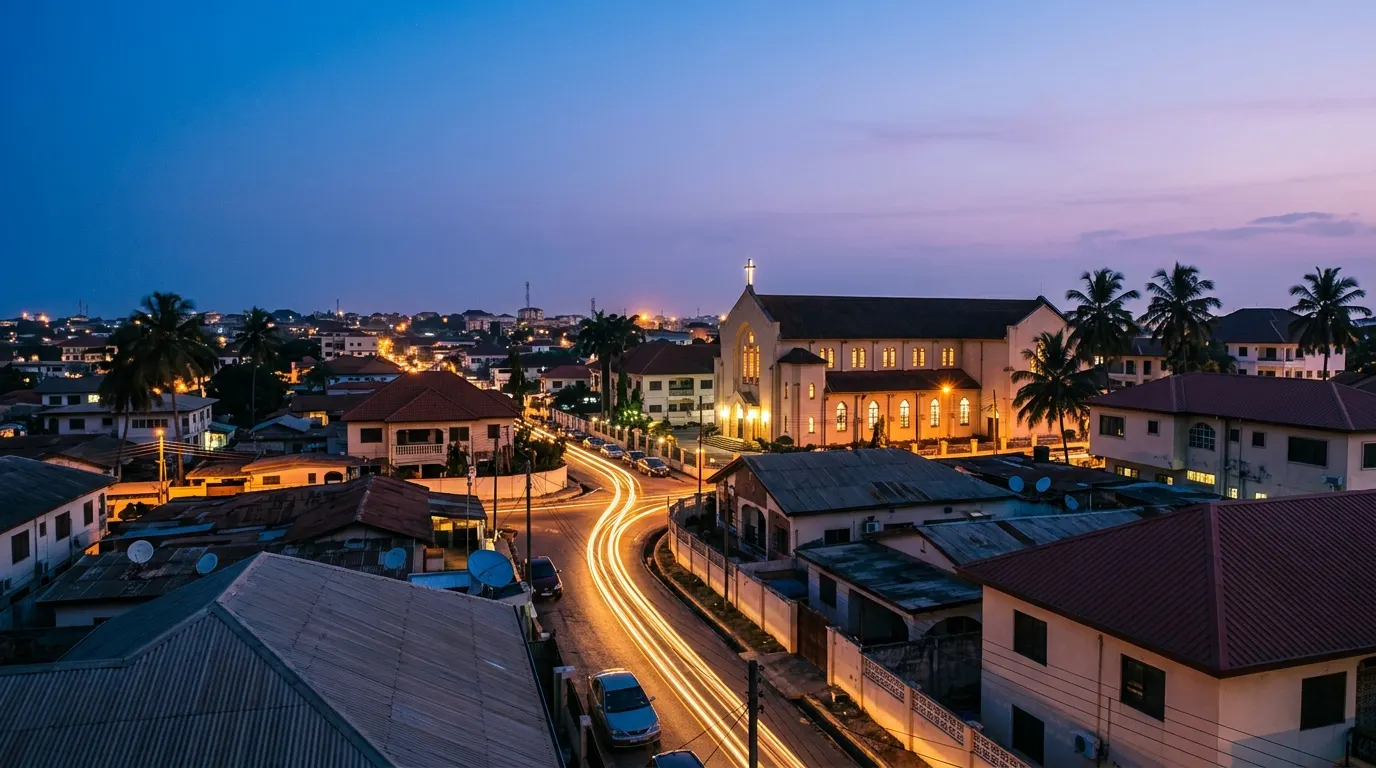
Cairo is a sprawling, high-octane metropolis that requires careful pacing when traveling with children. The sheer scale of the city, combined with the traffic and the desert heat, means you should plan one major activity per day, leaving the afternoons for hotel pool recovery.
The Pyramids of Giza are, naturally, the main event. Viewing these ancient wonders up close is staggering for kids who have only seen them in history books. Hire a reputable, private driver and guide for the day—it is surprisingly affordable and entirely shields your family from aggressive souvenir vendors. In the city center, Al-Azhar Park provides a beautifully manicured, green oasis with panoramic views of Cairo's minarets. It is one of the few places in the city where kids can run freely on the grass away from traffic.
Practical Details:
- Currency: Egyptian Pound (EGP). Rates fluctuate, but generally highly favorable for USD/EUR earners.
- Hydration: Dehydration sneaks up quickly in the dry heat. Carry more water than you think you need, and ensure kids are drinking constantly.
- Pacing: Do not attempt the Egyptian Museum and the Pyramids on the same day.
🎟️ Book family tickets & skip-the-line tours →
For more tips on navigating the chaos, read our City Guide: /city/cairo.
5. Arusha, Northern Tanzania
Known as the safari capital of East Africa, Arusha is the launching pad for trips into the Serengeti and the Ngorongoro Crater. While many view Arusha merely as an airport transit hub, it is a fantastic, manageable city to acclimate your kids to the time zone before embarking on long, dusty game drives.
Visit the Cultural Heritage Centre, which houses an incredible collection of African art and a peaceful gallery space. Arusha National Park is located just outside the city and is highly recommended for families with younger kids who might not tolerate a multi-day safari. Here, you can do short, half-day game drives to spot giraffes, zebras, and playful colobus monkeys without the exhausting travel times required for the deeper bush.
Practical Details:
- Currency: Tanzanian Shilling (TZS). Roughly 10,000 TZS = $3.90 USD.
- Health: Arusha is in a malaria zone. Consult your pediatrician well in advance regarding antimalarial medication suitable for your children's ages and weights.
- Safari Rules: Many permanent tented camps and lodges have strict minimum age requirements (often 6 or 8 years old) due to the presence of unfenced wildlife.
Prepare for the bush with our City Guide: /city/arusha-northern-tanzania.
6. Diani Beach, Kenya
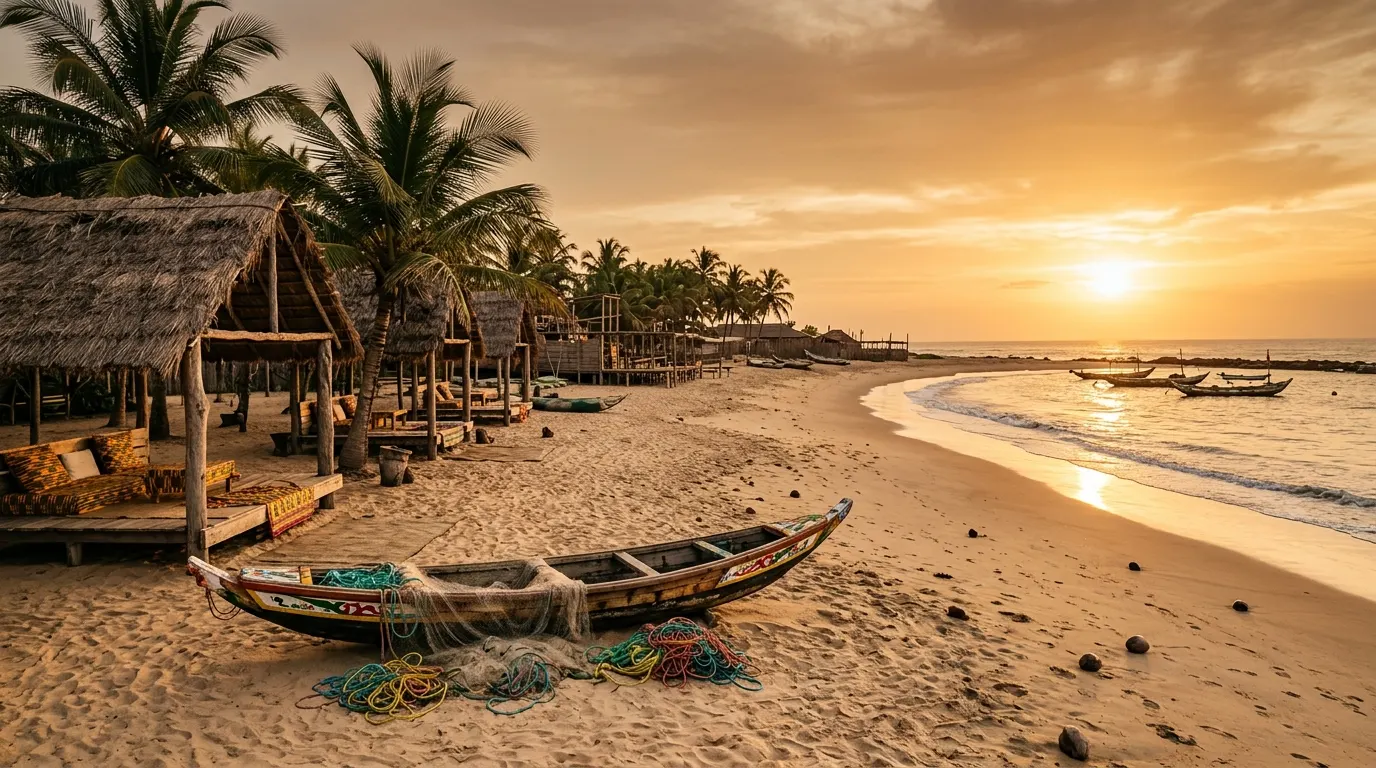
After the early wake-up calls and bumpy roads of a Kenyan safari, Diani Beach offers the ultimate family decompression zone. Located south of Mombasa, Diani boasts some of the most spectacular, powdery white sand and warm, shallow turquoise waters in the world.
Unlike massive, overdeveloped resort towns, Diani maintains a laid-back, nature-focused atmosphere. Families can book glass-bottom boat tours to safely view the vibrant marine life of the Indian Ocean, making it perfect for toddlers and preschoolers who aren't ready to snorkel. You can also visit the Colobus Conservation center, where kids can learn about local primate rescue efforts and watch monkeys swinging through the canopy right above their heads.
Practical Details:
- Currency: Kenyan Shilling (KES). Roughly 1,000 KES = $7.50 USD.
- Getting There: Fly directly into Ukunda (Diani's small local airstrip) from Nairobi to avoid the chaotic traffic and ferry crossing from Mombasa airport.
- Pacing: Plan for at least 4 days here; the relaxed pace is exactly what kids need after a safari.
Discover the best family resorts in our City Guide: /city/diani-beach.
7. Addis Ababa, Ethiopia
Addis Ababa is a city of immense historical pride and fascinating cultural depth. Nestled in the Ethiopian Highlands, the climate is surprisingly temperate compared to the sweltering lowlands of neighboring countries.
The absolute must-do for families is the National Museum of Ethiopia. Standing face-to-face with the fossilized remains of "Lucy" (Australopithecus afarensis) offers an incredible, tangible lesson in human evolution for school-aged kids and teens. For an escape into nature, head up to Entoto Park, a massive, beautifully developed green space overlooking the city. It features well-maintained walking trails, horseback riding, and clean, family-friendly facilities that make for a perfect afternoon of fresh air.
Practical Details:
- Currency: Ethiopian Birr (ETB). Roughly 100 ETB = $1.75 USD.
- Altitude: Addis Ababa sits at an elevation of 2,355 meters (7,726 feet). Kids (and adults) may feel easily fatigued or breathless on the first day. Plan zero strenuous activities for your first 24 hours.
Read up on the local cuisine and culture in our City Guide: /city/addis-ababa.
Age-By-Age Guide for the Best Family Cities in Middle East & Africa
Traveling with a toddler requires vastly different planning than traveling with a teenager. Here is how to tailor these destinations to your children's developmental stages.
Toddlers (Ages 2-3)
At this age, safety, containment, and visual stimulation are key. In Cape Town, the boardwalks at Boulders Beach keep wandering toddlers safe while offering incredible, up-close wildlife views. In Accra, escape the midday heat at The Little Explorers, a premium, Montessori-inspired indoor play center that prioritizes developmental growth and extreme cleanliness.
Preschoolers (Ages 3-5)
Preschoolers have the stamina for short adventures but still need frequent breaks. In Kenya, the glass-bottom boats of Diani Beach are magical for this age group, offering ocean exploration without the need to swim. In Ghana, take a weekend trip to Aqua Safari Resort where they can safely spot local birds and enjoy calm river waters.
School-Age (Ages 6-10)
This is the golden age for these destinations. Kids this age have the physical stamina to hike the trails of Ayi Mensah Trail (Ayi Mensah Park) in Ghana or navigate the massive steps of the Amman Citadel. The sheer scale of the Pyramids in Cairo will blow their minds, and they are finally old enough to safely cross the 40-meter-high suspended bridges at Kakum National Park.
Tweens & Teens (Ages 11-14)
Older kids can handle emotional depth, complex history, and higher-adrenaline activities. In Ghana, a visit to Cape Coast Castle provides a vital, sobering history lesson that will stick with them forever. For pure adventure, active teens will be thrilled by the Kwahu Easter Paragliding Festival, where tandem pilots fly passengers from the Odweanoma Mountains. In Jordan, teens will love the independence of scrambling up the rocky trails surrounding the Petra Treasury.
What to Skip When Visiting the Best Family Cities in Middle East & Africa
Not every "top-rated" tourist attraction is actually suitable for families. Knowing what to cross off your itinerary is just as important as knowing what to include.
- Makola Market (Accra): Avoid this working market with toddlers or young children. The 'unorganized chaos' involves extremely narrow, muddy paths, crushing crowds, and porters carrying massive loads on their heads who cannot stop for wandering children. It is physically exhausting and highly stressful to navigate with kids.
- Osu Night Market (Accra): Navigating this market with kids means dodging open charcoal grills positioned right at a child's eye level. The narrow alleys are packed, and breathing in the heavy smoke can quickly irritate little lungs.
- Osu Castle (Fort Christiansborg) (Accra): While historically significant, Osu Castle is a somber site with long, lecture-heavy guided tours that will quickly bore younger children. Opt for a visit to the W.E.B. Du Bois Centre instead for a much calmer, self-paced educational introduction to Pan-African history.
- Osu Nightlife Strip (Accra): Avoid walking Oxford Street with a stroller or young children, especially after dark. The area lacks continuous sidewalks, features deep open gutters, and transforms into a high-decibel, adult-centric zone with heavy traffic.
- Mid-Day Desert Tours (Egypt & Jordan): Do not attempt to visit unshaded outdoor ruins between 11:00 AM and 3:00 PM during the warmer months. The sun reflects off the sand and stone, creating an oven-like effect that frequently leads to heat exhaustion in young children.
Pro Tips from Parents
- Hydration Safety: In many of these cities, tap water is not safe for drinking or brushing teeth. In Ghana, stick to reputable bottled water brands like Voltic or Bel-Aqua for children rather than the ubiquitous 'sachet water' sold on the streets, which can be improperly stored.
- Strategic Potty Breaks: Public restrooms are nearly non-existent or heavily under-maintained in many of these urban centers. Plan your 'potty breaks' around major, modern shopping centers (like Marina Mall or Accra Mall in Ghana, or the V&A Waterfront in Cape Town).
- Weather Prep: If visiting West Africa during the Harmattan season (December to February), the dry, dusty winds from the Sahara can cause nosebleeds and dry skin. Pack extra heavy-duty moisturizer and saline nasal spray for your kids.
- Embrace Ride-Hailing Apps: Haggling over taxi fares with tired children in tow is a recipe for a meltdown. Apps like Uber and Bolt are widely used in Cairo, Cape Town, and Accra. They provide upfront pricing, GPS tracking, and a much-needed layer of safety and convenience.
- Safe Street Food: If you want to try local delicacies safely, look for permanent, highly-rated local institutions rather than random street carts. For example, Auntie Muni's Waakye Joint (Adabraka) in Accra is a legendary institution serving waakye (rice and beans) on banana leaves, offering a safe, delicious, and authentic local food experience.
Exploring the best family cities in middle east & africa requires a spirit of flexibility and a willingness to embrace a different pace of travel. By prioritizing comfort where it matters—like secure transport and safe hydration—you free up the mental energy to fully immerse yourselves in the awe-inspiring cultures, landscapes, and histories these regions offer. These trips go far beyond simple vacations; they are profound investments in raising adaptable, globally-minded children who understand how brilliantly diverse our world truly is.