Traveling with children requires a delicate balance of engaging activities, safe environments, and a welcoming local culture. Latin America and its neighboring Caribbean islands offer an incredible tapestry of experiences, from swimming with sea turtles to exploring ancient fortresses, all wrapped in a culture that genuinely reveres children. Finding the best family cities in latin america means looking for destinations that combine robust infrastructure with unforgettable adventures. Whether you are seeking lush eco-reserves, vibrant colonial streets, or crystal-clear waters, this region delivers high-reward travel for parents and kids alike.
When you choose the right basecamp, you minimize transit meltdowns and maximize core memories. The destinations highlighted below offer excellent healthcare facilities, easily navigable streets, stroller-friendly zones, and an abundance of activities that do not require massive logistical hurdles.
What Makes the Best Family Cities in Latin America Stand Out?
The cultural attitude toward children in this part of the world is profoundly warm. You will rarely get side-eyes for bringing a toddler into a restaurant; instead, waiters often go out of their way to entertain them. Furthermore, the sheer biodiversity and historical richness mean that educational moments happen naturally. Kids learn about regenerative agriculture, colonial history, and marine biology simply by walking out the front door of your rental.
Below is a curated breakdown of the seven most dynamic, accessible, and enriching urban centers and interconnected regions for families to explore.
1. Barbados: The Ultimate Caribbean-Latin American Crossover
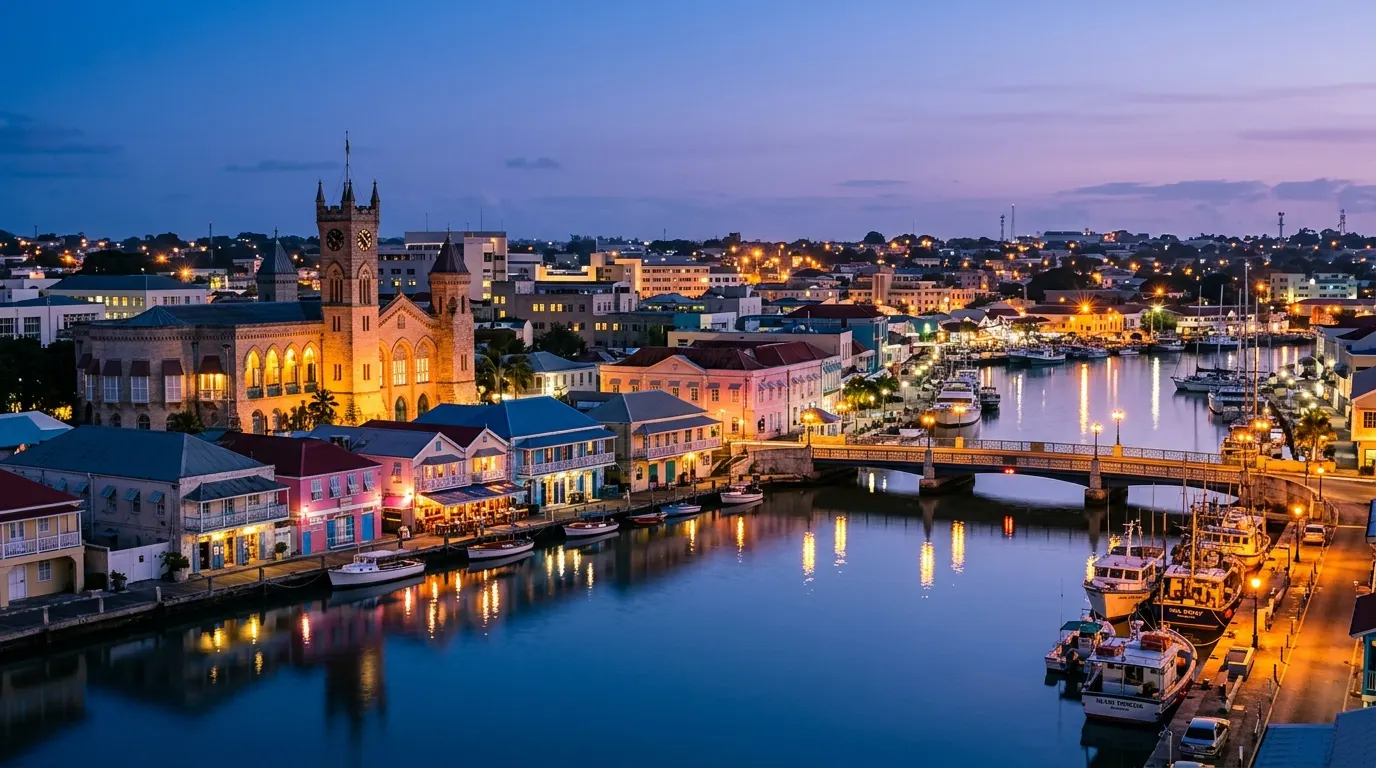
While technically an island nation, the interconnected nature of Barbados functions much like a sprawling coastal city, making it an essential inclusion. This destination is an absolute powerhouse for families. You can seamlessly transition from a morning exploring a massive underground cavern to an afternoon swimming alongside marine life.
Start your trip at Carlisle Bay, a stunning crescent-shaped marine park featuring crystal-clear, calm waters and a wide sandy shore. The lack of heavy surf makes it perfect for toddlers and nervous swimmers. For older kids, the Carlisle Bay Marine Park (shipwreck snorkel area) is a protected sanctuary featuring six shallow shipwrecks teeming with tropical fish. If your children are not quite ready to snorkel, hop on the De Action Man Glass Bottom Boat Tours. It is a low-commitment, high-reward boat trip departing directly from the bay that allows kids to see the shipwrecks and sea turtles without getting their faces wet.
For a full day of comfort, set up at The Boatyard Barbados. This high-energy beach club on Carlisle Bay offers excellent value-for-money day passes (roughly $35 USD per adult, which includes a boat tour, ocean trampolines, and a food credit).
🎟️ Book family tickets & skip-the-line tours →
Away from the beach, Harrison's Cave Eco-Adventure Park is a must-do. This massive, 'living' limestone cavern system is explored via a comfortable electric tram. It is entirely stroller accessible, takes about an hour, and costs around $30 USD for adults. If you have energetic teens or tweens, book the Island Safari 4x4 Tour, a high-energy, off-road adventure through Barbados' rugged interior and dramatic east coast.
For a slower pace, visit Welchman Hall Gully, a lush, tropical ravine formed by a collapsed limestone cave offering a shaded 1.25km paved walk. Another hidden gem is the PEG Farm and Nature Reserve, a 108-acre biodynamic farm where families can explore regenerative agriculture. If you encounter a rainy afternoon, the Barbados Concorde Experience is a high-tech tribute to the supersonic era housing the legendary Concorde G-BOAE.
2. Buenos Aires, Argentina: European Flair with South American Warmth
Buenos Aires is often called the Paris of South America, but it boasts a child-centric warmth that is entirely its own. The city is incredibly flat, making it a dream for stroller navigation. The neighborhood of Palermo is the ultimate family basecamp, packed with massive green spaces like the Bosques de Palermo, where you can rent pedal boats or four-seater bicycles.
Dining out with children in Buenos Aires is a joy. Steakhouses (parrillas) are loud, bustling, and totally unfazed by dropped forks or spilled water. The primary adjustment for visiting families is the schedule; locals eat dinner very late (often starting at 8:30 PM or 9:00 PM). To adapt, embrace the "merienda" (afternoon tea) around 5:00 PM, loading up on medialunas (croissants) and hot chocolate to tide the kids over, or seek out cafes that offer all-day dining.
3. San Carlos de Bariloche, Argentina: The Patagonian Playground
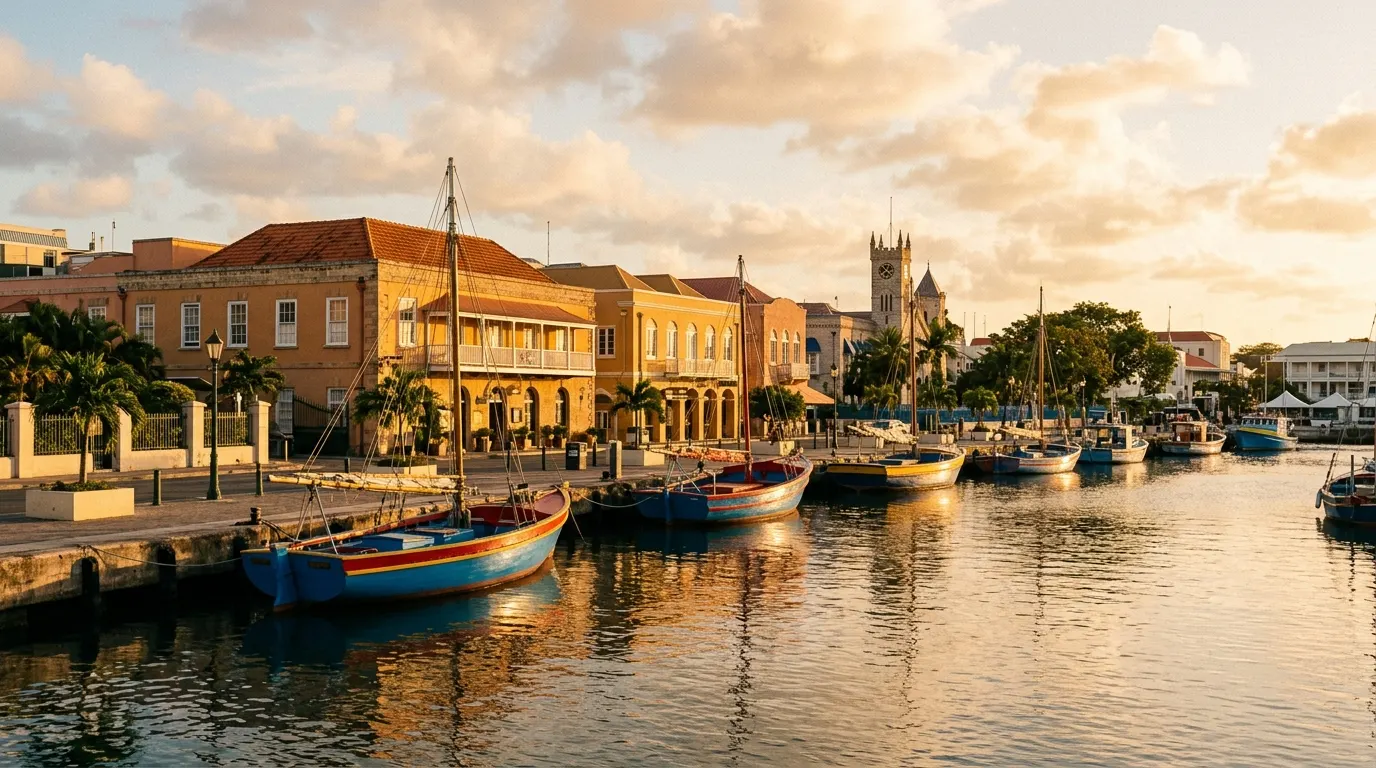
If your family prefers mountains over beaches, Bariloche is unparalleled. Nestled in the Argentine Lake District, this alpine city looks like a slice of Switzerland dropped into the Andes. It is widely considered the chocolate capital of South America, and a stroll down Mitre Street offers endless opportunities to sample artisanal truffles and hot cocoa—an easy bribe for tired little legs.
The infrastructure for outdoor exploration here is highly developed. The Circuito Chico is a manageable driving route offering panoramic views of deep blue lakes and snow-capped peaks, with plenty of pull-offs for short, toddler-friendly hikes in the Llao Llao Municipal Park. During the winter (July and August), Cerro Catedral offers excellent ski schools for children, while the summer months are perfect for gentle kayaking on Nahuel Huapi Lake.
4. Cartagena, Colombia: Colorful History by the Sea
Cartagena is a vibrant, sensory-rich city that feels like walking through a pop-up book. The Walled City is completely enclosed by massive stone fortifications that kids love to climb and explore. Walking the walls just before sunset provides spectacular ocean views and a refreshing breeze.
The Castillo de San Felipe de Barajas is a highlight for school-aged children. This colossal Spanish fortress features a network of dark, echoey tunnels that feel like a real-life pirate adventure. The key to enjoying Cartagena with children is managing the intense midday heat. Plan your major explorations for 8:00 AM, retreat to a hotel pool or an air-conditioned museum between 12:00 PM and 4:00 PM, and head back out for dinner in the colorful neighborhood of Getsemaní when the street performers emerge.
🎟️ Find family-friendly tours & activities →
5. Bogotá, Colombia: High-Altitude Culture and Museums
For families who love urban culture, Bogotá offers world-class museums and a fascinating cityscape. Because it sits at over 8,600 feet above sea level, you will need to take the first two days very slowly to let little bodies acclimate.
The absolute best time to visit with kids is on a Sunday during the Ciclovía. The city shuts down over 70 miles of main roads to motorized traffic, turning them over to cyclists, pedestrians, and roller skaters. It is a fantastic, safe way to see the city. Do not miss taking the cable car up to Monserrate for sweeping views of the sprawling metropolis below, or exploring the interactive exhibits at the Gold Museum, which houses thousands of shimmering pre-Hispanic artifacts that capture kids' imaginations.
6. Costa Rica (San José & Beyond): The Eco-Adventure Hub
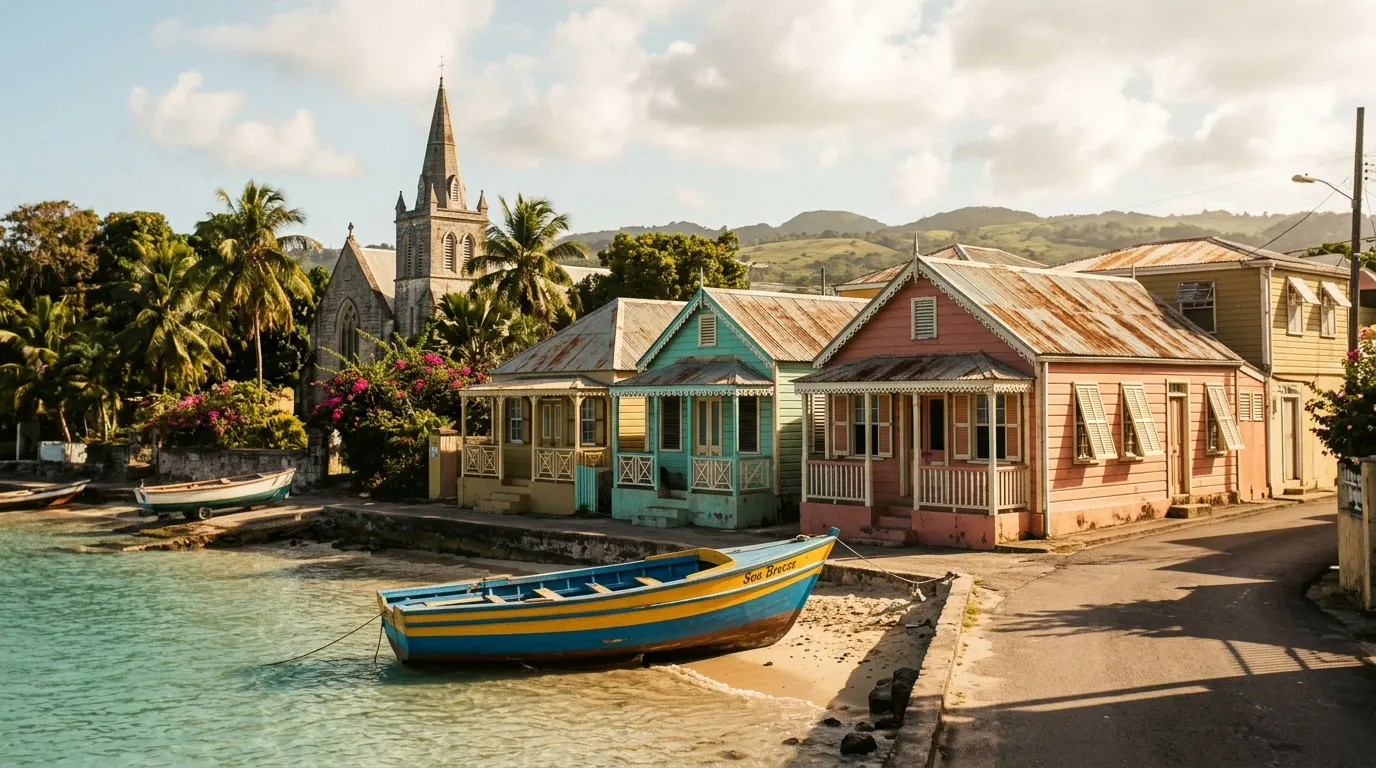
While the capital serves as the entry point, the true magic of Costa Rica lies in its highly accessible surrounding eco-hubs like La Fortuna and Monteverde. Costa Rica practically invented family eco-tourism, meaning the infrastructure for traveling with children is flawless.
You can walk across massive hanging bridges suspended in the rainforest canopy, completely safely, while spotting sloths, toucans, and howler monkeys. The pathways in many of the major nature reserves are paved or well-maintained, meaning even families with all-terrain strollers can navigate the jungle. The local motto, "Pura Vida" (pure life), translates directly into the incredibly patient and welcoming service you will receive at every restaurant and hotel.
7. Puerto Ayora, Galápagos Islands: A Living Biology Lesson
Puerto Ayora is the main hub of the Galápagos Islands and serves as an incredible base for families who want to experience the wildlife without committing to a multi-day liveaboard cruise. Here, the animals have no natural fear of humans, meaning kids can get up close (while maintaining the mandated 6-foot distance) to marine iguanas sunbathing on the sidewalks and sea lions lounging on park benches.
Visit the Charles Darwin Research Station to see giant tortoises at every stage of life, from tiny hatchlings to century-old giants. The 45-minute paved walk to Tortuga Bay is flat and manageable, rewarding families with a pristine white sand beach where you can kayak alongside baby blacktip reef sharks in the shallow, protected coves.
🎟️ Book family tickets & skip-the-line tours →
Age-by-Age Guide to the Best Family Cities in Latin America
Toddlers (Ages 2-3)
For this age group, prioritize wide, flat spaces and sensory experiences without rigid schedules. In Barbados, the Richard Haynes Boardwalk is a scenic 1.2km oceanfront path that is the gold standard for a stress-free family stroll. It is completely protected from traffic. When hunger strikes, head to the Art Splash Centre, a parent's sanctuary on the south coast featuring a large, gated wooden playground paired with a healthy cafe.
Preschoolers (Ages 3-5)
Preschoolers have more stamina but still need engaging, bite-sized activities. The De Action Man Glass Bottom Boat Tours are perfect, offering the thrill of the ocean without the overwhelming waves. In cities like Buenos Aires, the massive interactive Museo de los Niños (Children's Museum) allows them to role-play in a miniature city, burning off energy in a safe, enclosed environment.
School-Age (Ages 6-10)
This is the golden age for cultural immersion. Book the Weston (Bajan Cooking Class) for a hands-on, intimate culinary experience where families learn the secrets of local staples. Alternatively, the Barbados Sea Turtle Project at Worthing Beach offers a rare opportunity for families to join marine biologists on nighttime beach patrols to witness endangered turtles nesting.
Tweens and Teens (Ages 11-14)
Older kids need autonomy and adrenaline. Rascal's of Barbados is a high-energy beach club featuring the island's largest inflatable ocean water park, where teens can climb and slide independently while parents relax on shore. In Cartagena, booking a private boat to hop between the Rosario Islands gives them the adventure and aesthetic they crave for their travel journals.
What to Skip: Overhyped Traps in Latin America & the Caribbean
Not every highly rated attraction is suitable for families. Protect your time and budget by avoiding these common pitfalls:
- Barbados Ocean Park: While often marketed as a premier attraction, the experience is frequently described as underwhelming and in need of maintenance. Spend your money on a real catamaran snorkel tour instead.
- Nikki Beach Barbados (at Port Ferdinand): This is a high-octane adult party destination where champagne magnums, fireworks, and loud DJ sets dominate. It is incredibly expensive and entirely inappropriate for children.
- The Cliff Restaurant: This is one of the most expensive and formal dining experiences in the Caribbean, featuring a strict dress code. The pressure to keep kids perfectly quiet in this ultra-luxe environment will ruin your meal.
- North Point: While the views of the Atlantic crashing against the cliffs are spectacular, the environment is a high-wind hazard with no safety barriers, making it an incredibly stressful visit with toddlers or unpredictable preschoolers.
- Reggae Lounge: With an opening time of 8:00 PM and a focus on late-night drinking, this venue is fundamentally incompatible with most family schedules.
- Harbour Lights (Nightclub): While the early evening cultural show features impressive stilt walkers and fire breathers, the venue becomes shoulder-to-shoulder crowded, and the thick smoke from the beach grills can be overwhelming for little lungs.
- St. James Parish Church: As the oldest church in Barbados, this is a site of significant historical and spiritual importance for adults, but the lack of interactive elements means kids will be bored within five minutes.
Pro Tips from Parents for Latin American Travel
- Fast-Track Your Arrival: Airports in this region can be tough on kids after a long flight. For example, Grantley Adams International (BGI) can have long, humid immigration lines. Booking a VIP fast-track service is worth every penny to bypass the queues and get your family straight to the hotel.
- Beware of Sunday Closures: In many Latin American and Caribbean destinations, Sunday is strictly for family and rest. The capital city virtually shuts down. Most shops on Broad Street and the Cheapside Market will be closed, so plan your Sundays for beach days or major parks instead of city shopping.
- Choose Public Transit Wisely: If you want to experience local transit, choose the large blue government buses. Unlike the white-and-yellow 'ZR' vans, which are often crowded, drive erratically, and blast loud music, the blue buses are spacious and much safer for families with strollers.
- Nature Hazards: On West Coast beaches, look for trees with small green 'apples' and red bands painted on the trunks. These are highly toxic Manchineel trees. Do not seek shade under them, especially when it rains, as the dripping water can cause severe skin blistering. Also, while the Animal Flower Cave is stunning, the natural rock pools inside are incredibly slippery and the waves can surge unexpectedly—admire from a distance rather than swimming with small kids.
- Timing Wildlife: If you are visiting nature reserves to see animals (like monkeys or sloths), timing is everything. The animals roam free and can be hard to spot in the early morning. Ask locals for feeding times; for instance, arriving just before 2:00 PM at certain reserves ensures you will see dozens of animals gathering predictably.
- Embrace the Sunset Stroll: Visit coastal boardwalks around sunset. Not only is it cooler and safer from traffic, but you can often spot sea turtles popping their heads up in the nearshore waves as the water calms down.
- Embrace the Festivals with Caution: Events like the Crop Over Festival (July-August) are culturally magnificent, featuring weeks of music and parades. However, the decibel levels and dense crowds can trigger sensory overload in young children. If you attend, buy noise-canceling headphones for the kids and stay on the perimeter of the parade routes.
Conclusion
Choosing to travel south opens up a world of vibrant culture, rich biodiversity, and unparalleled hospitality for your family. The beauty of these destinations lies in their ability to cater to both the comfort parents need and the wild, imaginative adventures children crave. By setting your sights on the best family cities in latin america, you are guaranteeing a vacation filled with warm locals, incredible food, and landscapes that will leave a lasting imprint on your children's understanding of the world. Pack your walking shoes, your sense of adventure, and get ready to make some extraordinary family memories.