Planning a European getaway with children involves a unique mix of soaring excitement and logistical puzzle-solving. You want the rich history, the incredible food, and the stunning architecture, but you also need accessible sidewalks, engaging activities that don't involve "do not touch" signs, and plenty of space for little legs to run. Finding destinations that balance world-class culture with genuine accessibility for children is the key to a trip that feels like a vacation rather than a relocation. To help you narrow down your itinerary, we have compiled a detailed guide to the best family cities in Europe, focusing on places that welcome parents and children with open arms, excellent infrastructure, and unforgettable experiences.
Whether you are navigating cobblestones with a travel stroller, looking for interactive museums for a curious seven-year-old, or trying to impress a tough-to-please teenager, these destinations deliver.
What Makes the Best Family Cities in Europe Stand Out?
When evaluating destinations for a family trip, a beautiful skyline simply isn't enough. The most successful family-friendly cities share a few crucial traits. First, they prioritize pedestrian-friendly zones and reliable, easy-to-navigate public transportation. When you are managing a double stroller and a jet-lagged toddler, a comprehensive metro or tram system is your best friend.
Second, these cities offer a seamless blend of adult interests and child-friendly engagement. You shouldn't have to choose between appreciating world-class art and keeping your kids entertained. The best locations have sprawling parks right next to historic monuments, or interactive science exhibits just down the street from Michelin-starred restaurants. Finally, the local culture must genuinely welcome children. In many of our favorite European destinations, kids are not just tolerated in restaurants and public spaces; they are actively embraced as part of the community fabric.
1. Algarve, Portugal: Sun, Sea Caves, and Sandcastles
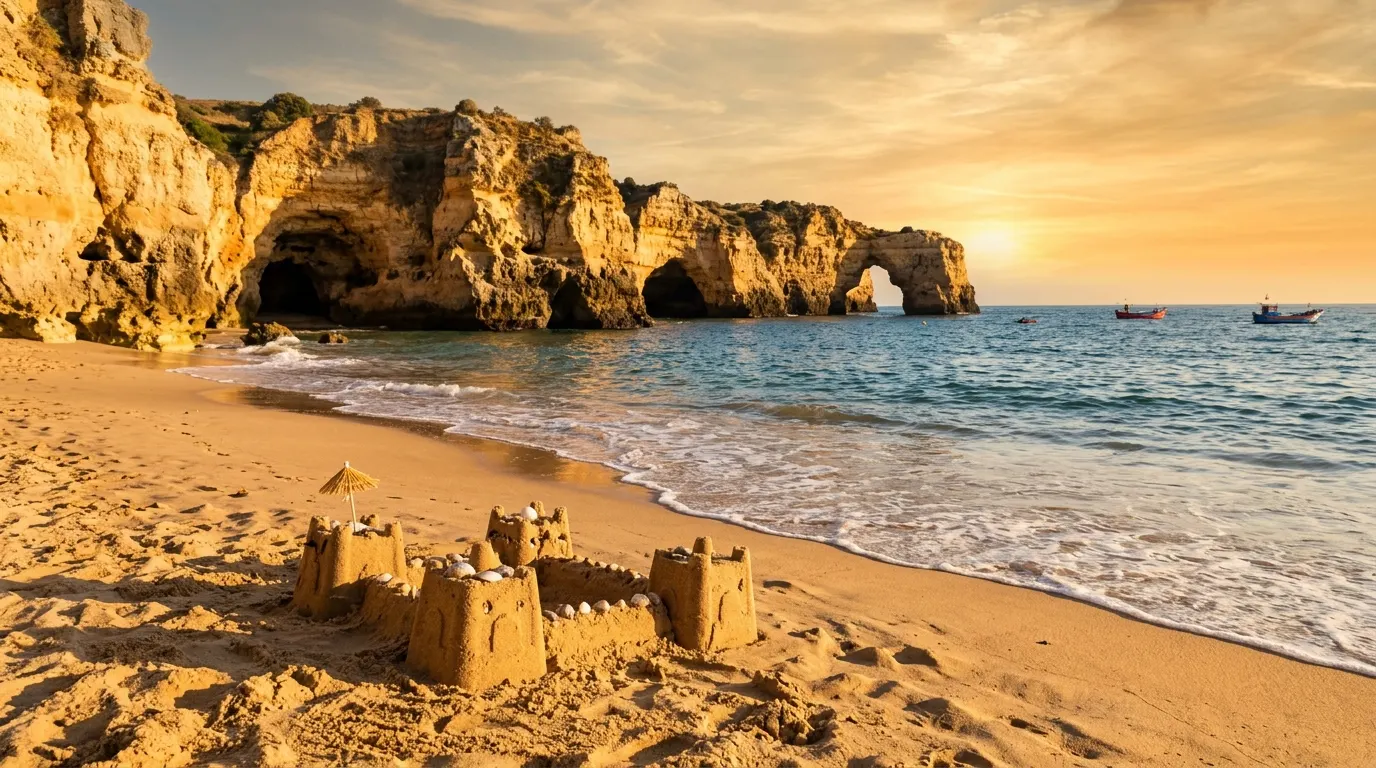
While technically a region rather than a single city, the Algarve operates as a deeply interconnected coastal playground that ranks at the very top of family travel lists. It perfectly balances breathtaking natural wonders with highly structured, premium family attractions.
The coastline here is legendary. Start your adventure at the Benagil Sea Cave, a magnificent natural cathedral featuring a massive skylight 'eye' and a hidden beach. Because it is accessible only by water, booking a family-friendly boat or kayak tour is essential. For pure beach days, Praia da Marinha offers iconic golden sands framed by limestone stacks, while Praia da Falésia provides a stunning 6km stretch of sand backed by dramatic ochre cliffs—offering some of the safest, most expansive playing space for kids.
🎟️ Book family tickets & skip-the-line tours →
If you are traveling with toddlers, head to Praia de Odeceixe. This 'two-for-one' beach features the Seixe River looping around a massive sandbar. The river side offers warm, calm, shallow water perfect for splashing, while the ocean side provides waves for older kids. Another tranquil option is Praia do Ancão, tucked into the Ria Formosa Natural Park, which offers excellent amenities without the overwhelming crowds.
For a break from the sand, Zoomarine Algarve is Portugal's premier family attraction, blending a marine life park, water park, and traditional rides (tickets run about €30-35 / $32-38 USD, depending on the season). Older kids will be mesmerized by the Dolphin Emotions at Zoomarine, a premium, highly structured interaction program.
🎟️ Find family-friendly tours & activities →
Exploring Beyond the Beach
The Algarve is rich in culture and history. Spend an afternoon wandering through Lagos Old Town (Centro Histórico de Lagos), a pedestrian-friendly maze of whitewashed buildings where kids can safely run ahead without the worry of traffic. From Lagos, you can easily access Ponta da Piedade to marvel at the golden limestone cliffs and hidden grottos, or visit the dramatic, Instagram-famous Praia dos Estudantes to see its Roman-style bridge.
For a unique adventure, take the scenic ferry ride to Ilha da Culatra. This completely car-free island starts with a traditional fishing village and ends with pristine, uncrowded beaches—a dream for parents of energetic kids. Alternatively, visit Cacela Velha, a tiny clifftop village offering one of the Algarve's best low-tide experiences: wading through warm, knee-deep lagoon waters to reach the barrier islands.
When hunger strikes, avoid the tourist traps and head to Restaurante A Vela (Ferragudo). This charming, family-run waterfront gem is hosted by Antonia, who is known for treating visiting families like her own.
If you have a spare day, a Day Trip to Seville (Spain) is highly recommended. It’s a manageable cross-border dash where you can explore the awe-inspiring Seville Cathedral (Catedral de Santa María de la Sede), which houses Christopher Columbus’ tomb and features a ramped bell tower that is surprisingly easy to navigate with a sturdy stroller.
2. Amsterdam, Netherlands: Canals and Culture
When evaluating the best family cities in Europe, Amsterdam consistently ranks high due to its incredibly relaxed vibe and phenomenal infrastructure. The city is famously flat, making it a dream for stroller-pushing parents, though you do need to keep a watchful eye out for the silent, fast-moving bicycle traffic.
Vondelpark is the ultimate backyard for visiting families, featuring multiple state-of-the-art playgrounds, wading pools in the summer, and cafes where parents can enjoy a coffee while keeping an eye on the kids. For indoor days, the NEMO Science Museum is a masterpiece of hands-on learning, designed like a giant green ship rising from the water. Kids of all ages can build dams, conduct safe chemistry experiments, and learn about logistics. To see the city from a child's perspective, skip the standard canal tours and book a ride on the Pannenkoekenboot (Pancake Boat), where you can cruise the waterways while eating unlimited Dutch pancakes.
3. Athens, Greece: Ancient History Come to Life
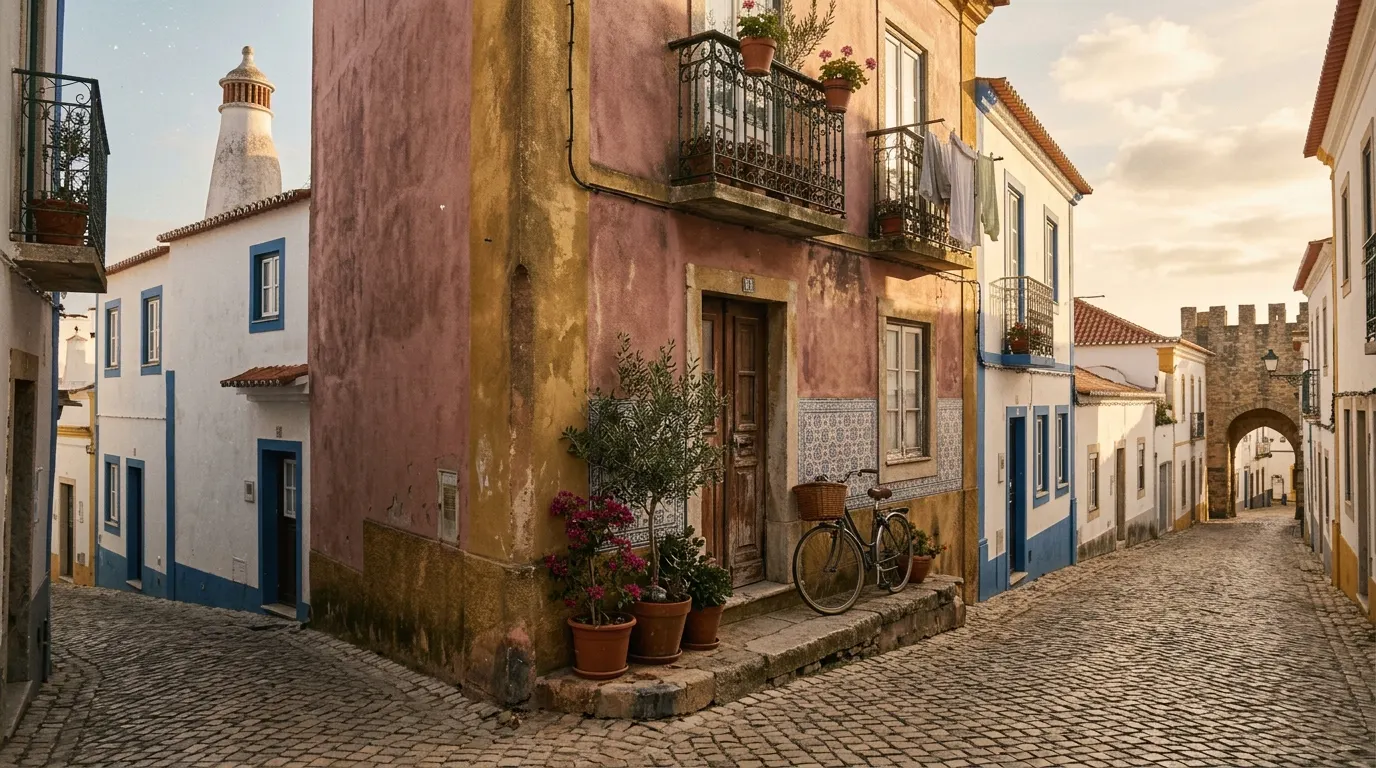
Bringing mythology to life makes Athens a thrilling destination for school-aged children and teens. The key to enjoying this ancient metropolis is timing. The Acropolis is magnificent, but the marble steps are slick, steep, and completely inaccessible for strollers. Plan to visit right at opening time (usually 8:00 AM) to beat both the intense Mediterranean heat and the cruise ship crowds. Use a baby carrier for infants and toddlers.
After exploring the ruins, the Acropolis Museum offers a beautifully air-conditioned respite with wide, stroller-friendly ramps and fantastic LEGO models of the ancient sites that kids adore. The National Gardens provide a massive, shaded oasis in the center of the city, complete with a small zoo, duck ponds, and plenty of space to decompress. Greek dining culture is incredibly welcoming to children; tavernas in neighborhoods like Plaka or Monastiraki will happily accommodate messy toddlers and offer simple, kid-friendly staples like souvlaki and fresh pita bread.
4. Barcelona, Spain: Gaudi and Golden Beaches
Barcelona offers a rare combination of world-class architecture and a fantastic urban beach, making it an easy win for families. Antoni Gaudí’s creations, particularly Park Güell and the Sagrada Família, look like they were pulled directly from a fairy tale. The colorful mosaics and melting facades captivate children in a way that traditional historical monuments often do not.
The city's metro system is highly efficient and largely accessible, making it easy to zip from the Gothic Quarter down to Barceloneta Beach. If you need a break from the sun, the Cosmocaixa science museum is arguably one of the best in Europe, featuring a flooded indoor Amazonian rainforest. The only major adjustment for families in Spain is the dining schedule. Restaurants rarely open for dinner before 8:00 PM. Plan to embrace the culture of late afternoon tapas to keep kids fed, or opt for hearty lunches as your main meal of the day.
5. Bergen, Norway: Fjords and Fairytales
If your family prefers fresh mountain air and outdoor adventures over crowded museums, Bergen is spectacular. Known as the gateway to the fjords, this compact, colorful city feels incredibly safe and welcoming. The iconic Bryggen waterfront, with its leaning wooden houses, is fascinating to explore.
The highlight for most kids is taking the Fløibanen funicular up Mount Fløyen. At the top, you are greeted not only by sweeping views of the fjords but also by exceptional playgrounds, a troll forest, and friendly resident goats. The hiking trails range from stroller-friendly paved paths to rugged mountain treks. While Norway is famously expensive (expect a simple family lunch to cost upwards of 600 NOK / $55 USD), the wealth of free outdoor activities balances the budget. Just remember to pack high-quality rain gear, regardless of what month you visit!
6. Berlin, Germany: Expansive Parks and Interactive Museums
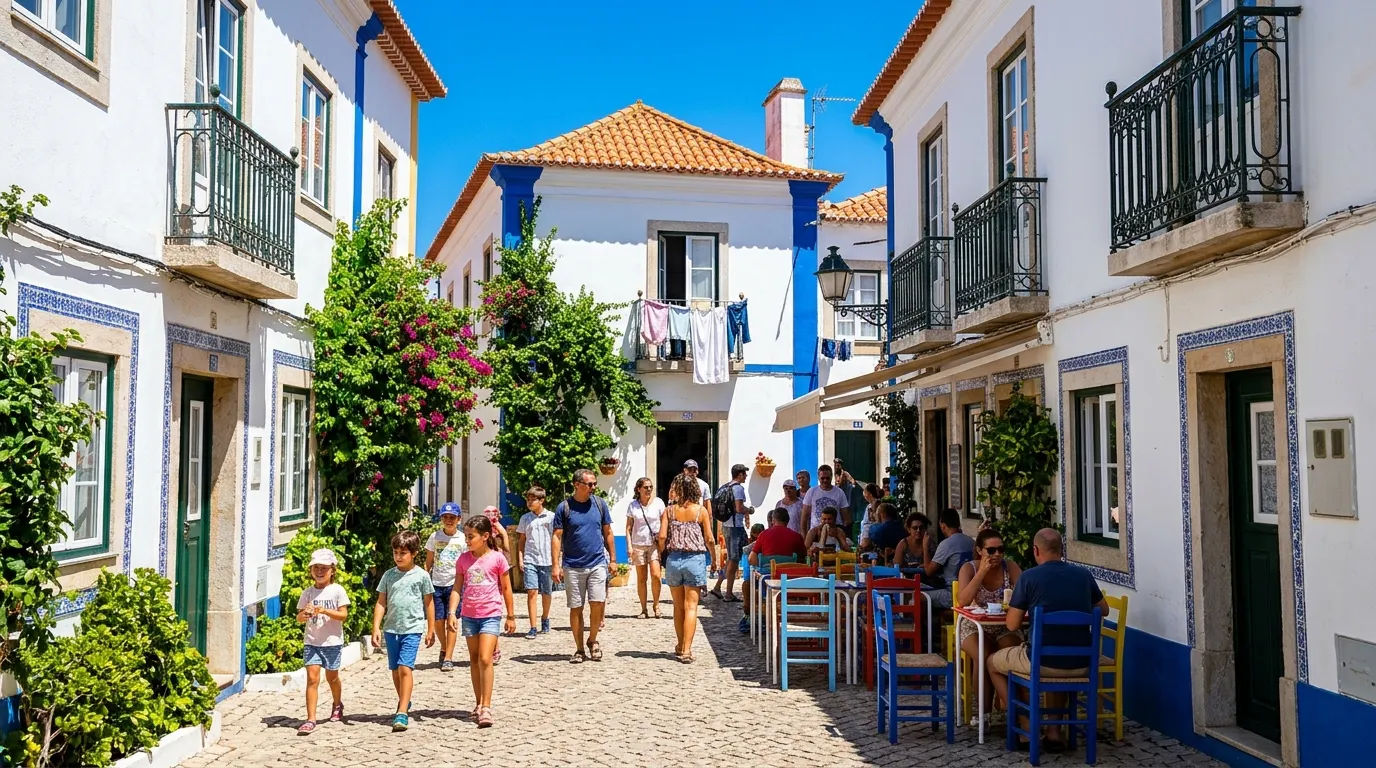
Berlin might not be the first place that comes to mind for a family vacation, but it is actually one of the most spacious, stroller-friendly, and engaging capitals on the continent. The sidewalks are remarkably wide, the U-Bahn is efficient, and the city is dotted with sprawling green spaces.
The Tiergarten is massive, offering shaded paths, rowboats, and the excellent Berlin Zoo right on its edge. For a rainy day, the Legoland Discovery Centre at Potsdamer Platz or the interactive exhibits at the German Museum of Technology (featuring real trains and planes) are guaranteed hits. Berlin is also an excellent place to introduce older kids to complex modern history in a tangible way, from the remaining stretches of the Berlin Wall at the East Side Gallery to the interactive DDR Museum, which allows visitors to touch and interact with daily life in East Germany.
7. Bordeaux, France: Water Mirrors and Easy Day Trips
Often overlooked in favor of Paris, Bordeaux is a phenomenal, relaxed alternative that offers incredible food, beautiful architecture, and a highly livable scale for families. The city center is largely pedestrianized and flat, connected by a sleek, stroller-friendly tram system.
The absolute highlight for children is the Miroir d'Eau (Water Mirror) situated across from the Place de la Bourse. This massive, shallow reflecting pool cycles between a mirror-like surface and a cooling mist, acting as an impromptu splash pad where local and visiting kids run wild on warm afternoons. Bordeaux also serves as a perfect base camp. Just an hour away is the Dune du Pilat, the tallest sand dune in Europe, where kids can burn off endless energy climbing to the top before rolling down the soft sand toward the ocean.
Age-By-Age Guide to the Best Family Cities in Europe
Tailoring your itinerary to the developmental stage of your children is crucial for a successful trip. Here is how to approach these destinations based on age.
Toddlers (Ages 2-3)
At this age, pace is everything. Choose cities with flat terrain, excellent parks, and a relaxed vibe. Amsterdam and Bordeaux are top tier for toddlers due to their walkability and abundance of open squares. In the Algarve, stick to the calm river waters of Praia de Odeceixe rather than the crashing ocean waves. Keep museum visits to 45 minutes maximum and prioritize destinations where public transport can easily whisk you back to the hotel for nap time.
Preschoolers (Ages 3-5)
Preschoolers are curious, energetic, and highly tactile. They need spaces where they can touch things and run safely. Barcelona’s Park Güell feels like a playground to this age group, and the beaches of the Algarve offer endless sandcastle potential. Look for highly interactive indoor spaces like the NEMO Science Museum in Amsterdam to break up sightseeing days.
School-Age (Ages 6-10)
This is the golden age of family travel. Kids this age have the stamina for longer days and can begin to grasp historical context. Athens is incredible for this age bracket; reading Greek myths beforehand turns the Acropolis into a real-life superhero base. A Day Trip to Seville (Spain) from the Algarve to see the tomb of Christopher Columbus at the Seville Cathedral is a fantastic way to make history tangible.
Tweens and Teens (Ages 11-14)
Older kids crave independence, thrilling activities, and "cool" factors. In the Algarve, skip the basic boat tours and book a kayak expedition into the Benagil Sea Cave. In Berlin, teens will appreciate the street art, the raw history of the Berlin Wall, and the vintage shopping. Involve them in the planning process—let them pick one restaurant or activity per day to ensure they stay engaged.
What to Skip on Your European Family Adventure
Not every highly-rated attraction is suitable for families. Knowing what to cross off your list is just as important as knowing what to include. Based on our lived experiences, here are a few things to avoid, using the Algarve as a prime example of how to filter your itinerary:
- Aqualand Banzai Slide: While water parks are generally a hit, this specific slide in the Algarve is notorious for its jarring impact at the bottom, which frequently causes back and neck pain. Stick to the safer, modern slides at Zoomarine instead.
- High-Energy Beach Clubs & Nightlife: Places like NoSoloÁgua Portimão and The Big One in Albufeira are geared heavily toward adult socializing, loud house music, and stag/hen parties. Similarly, avoid the Cais do Sodré-style party cruises which feature open bars and adult atmospheres entirely unsuited for kids.
- Albufeira Marina Parasailing: The hassle-to-fun ratio is incredibly poor for families. You will pay a premium (often €40-60 / $43-65 USD per person) for a vast amount of waiting around on a boat for a very short 10-minute flight.
- Dangerous Access Beaches: Avoid Praia do Barranco do Martinho. While beautiful on Instagram, the access requires a steep, narrow, and potentially dangerous cliffside scramble that is completely unsafe for anyone carrying a child or beach gear.
- Dry, Traditional Museums: Unless your child has a highly specific interest, skip places like the Museu do Traje de São Brás de Alportel. Quiet displays of historical clothing offer zero engagement for energetic kids. Also, don't waste time on unremarkable urban green spaces like the Jardim do Torel (Faro Waterfront Garden) when there are vastly superior beaches and nature parks nearby.
Pro Tips from Parents for European City Breaks
- Embrace the Grocery Store: Dining out for three meals a day in Europe is exhausting and expensive. Hit a local market (like Albert Heijn in Amsterdam or Mercadona in Spain/Portugal) on your first day. Stock up on fresh fruit, local cheeses, pastries, and snacks. Having instant food on hand prevents meltdowns and saves money.
- Download Local Transport Apps: Before you arrive, download the specific transit app for your destination (e.g., BVG in Berlin, TMB in Barcelona). Buying digital tickets on your phone while wrangling a stroller is infinitely easier than deciphering a physical ticket machine in a crowded station.
- Adjust Your Dining Clock: Southern Europe eats late. If your kids are used to dinner at 5:30 PM, you will find most restaurants in Spain, Portugal, and Greece closed. Plan for a massive, late lunch (which is often cheaper via a menu del dia) and grab casual street food, tapas, or a picnic dinner for the evening.
- The "One Big Thing" Rule: Lower your sightseeing expectations. Plan for only "One Big Thing" per day—like visiting the Acropolis or touring a museum. If that goes well and everyone is happy, you can add a bonus activity. If it falls apart, you can retreat to a park or hotel pool without feeling like you ruined the itinerary.
Conclusion: Ready to Explore the Best Family Cities in Europe?
Traveling across the Atlantic with children requires effort, flexibility, and a sense of humor, but the rewards are immeasurable. Watching your child confidently order a gelato in basic Spanish, marvel at a centuries-old cathedral, or splash in a warm tidal pool on the Portuguese coast are memories that outlast any jet lag. By choosing destinations that offer the right mix of infrastructure, engaging attractions, and welcoming cultures, you set your family up for success. Whether you are kayaking through the Algarve, cycling the flat paths of Amsterdam, or tracing ancient myths in Athens, the best family cities in Europe are waiting to be the backdrop for your next great adventure.