Planning a family trip across the world's largest and most diverse region requires balancing adventure with logistics. Finding destinations that offer rich cultural experiences while still providing accessible sidewalks, reliable healthcare, and engaging activities for children is the key to a successful trip. The best family cities in asia pacific manage to strike this delicate balance, offering everything from high-tech indoor playgrounds and ancient temples to pristine marine reserves and interactive wildlife encounters. Whether you are traveling with a toddler who needs a midday nap or a teenager seeking high-adrenaline thrills, this region delivers unforgettable experiences.
Navigating time zones, tropical climates, and diverse cuisines can feel daunting, but choosing the right home base makes all the difference. The most successful family itineraries anchor themselves in cities that understand the needs of parents—places where public transport is intuitive, green spaces are abundant, and local cultures naturally embrace children.
What Makes the Best Family Cities in Asia Pacific Stand Out?
When evaluating destinations for family travel, we look far beyond just the presence of theme parks or kid-friendly resorts. The truly exceptional cities in this region weave child-friendly infrastructure into the fabric of daily life. They offer robust public transportation networks that can accommodate a travel stroller without requiring you to carry it up three flights of stairs. They feature culinary scenes where you can easily find mild, familiar options right alongside adventurous local delicacies, ensuring both parents and picky eaters are satisfied.
Safety and cleanliness are paramount, especially when traveling with younger children who want to touch everything in sight. The best family cities in asia pacific also provide an abundance of accessible outdoor spaces—whether that means sprawling botanical gardens, protected harbor beaches, or interactive urban parks. These green spaces act as crucial pressure valves on busy travel days, giving kids a safe place to run off excess energy between museum visits or temple tours. Finally, cultural attitudes toward children play a massive role; destinations where locals greet children with warmth and patience transform a stressful outing into a joyful cultural exchange.
1. Auckland, New Zealand: The Ultimate Outdoor Playground
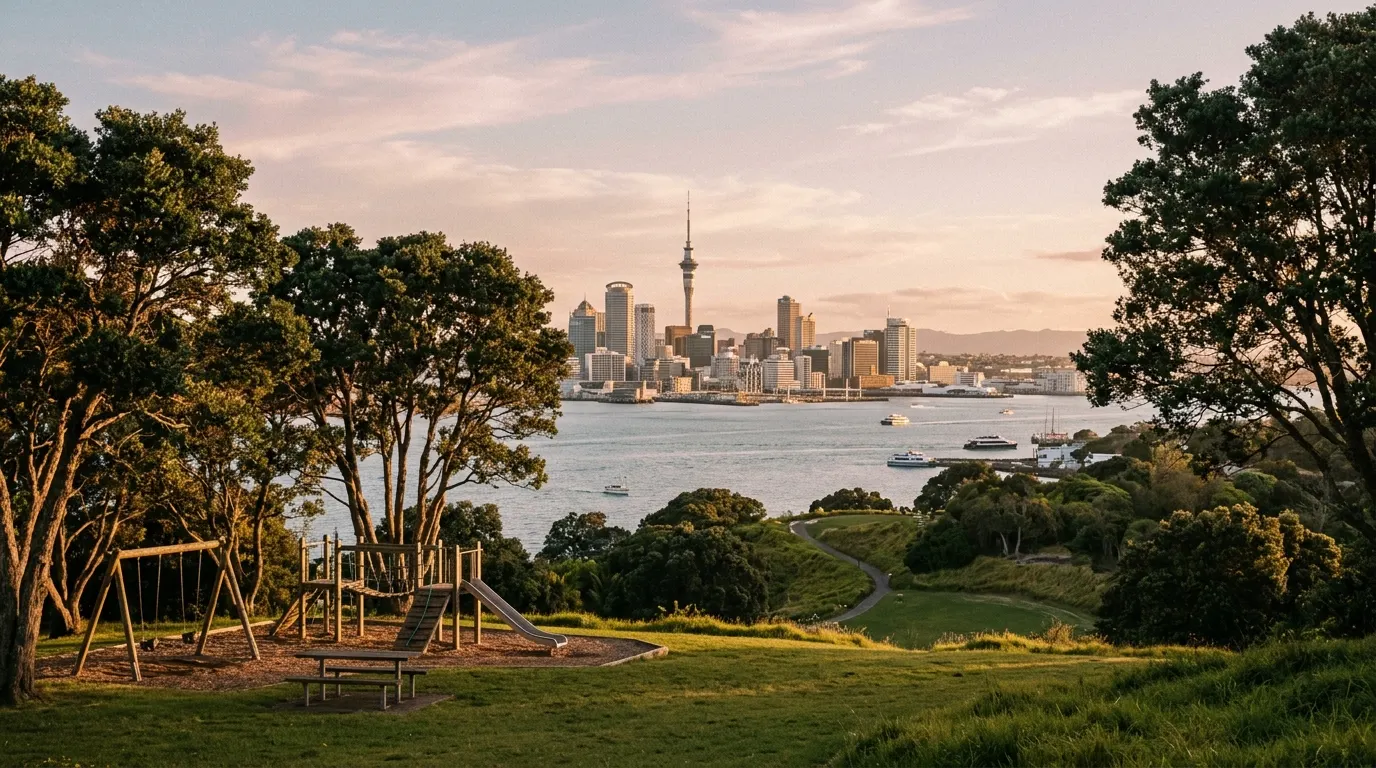
Auckland seamlessly blends rugged natural beauty with modern urban conveniences, making it a premier gateway for families exploring the Pacific. You can find comprehensive details in our Auckland city guide, but the true magic of this city lies in its immediate access to nature.
Start your adventure with a trip on the Auckland Ferry to Waiheke (Fullers360). More than just a commute, this 40-minute ferry ride across the Hauraki Gulf is a high-speed adventure that costs around $50 NZD ($30 USD) for adults and $25 NZD ($15 USD) for kids. Once there, you can explore family-friendly vineyards and pristine beaches. For a more rugged island experience, take older kids to Rangitoto Island, a volcanic island where you can hike to the summit of a 600-year-old cone.
If your family craves wildlife, Tiritiri Matangi Island is a world-class open wildlife sanctuary where rare native birds roam free. For aquatic encounters, the Goat Island Marine Reserve (Cape Rodney-Okakari Point Marine Reserve) offers an incredible snorkeling experience where massive snapper swim right up to your mask. The reserve is free to enter, though you will want to rent thick wetsuits (around $15 NZD / $9 USD) from the local dive shop as the water remains brisk year-round.
For high-adrenaline thrills back in the city center, teenagers will be obsessed with the SkyWalk (Sky Tower), a guided walk around a 1.2-meter wide ledge 192 meters above the ground with no handrails.
🎟️ Find family-friendly tours & activities →
After a day of thrills, cool down at the Point Erin Pools, a classic summer institution in Herne Bay featuring a massive 33-meter outdoor pool, or the iconic Parnell Baths with its 60m saltwater pool. Finish the day at Giapo Ice Cream, which serves gravity-defying, edible art sculptures (expect to pay around $15 NZD / $9 USD per creation, but it is worth every penny).
2. Bali, Indonesia: Culture and Coastal Bliss
While technically an island rather than a single city, the urban hubs of southern Bali operate as a cohesive, deeply enriching destination for families. As detailed in our Bali city guide, the island offers an unmatched combination of rich Hindu culture, exceptional family resorts, and beautiful coastlines.
The key to enjoying Bali with kids is pacing. Start your mornings early to beat the equatorial heat, visiting cultural sites like the Sacred Monkey Forest Sanctuary in Ubud (entry is around 80,000 IDR / $5 USD). Keep a close eye on toddlers here, as the monkeys are notoriously cheeky and will snatch snacks or sunglasses. By midday, retreat to the shade of your resort pool or visit Waterbom Bali in Kuta, widely regarded as one of the best waterparks in the world. It features a dedicated kids' area with miniature slides and a massive tipping bucket, alongside terrifying vertical drops for teenagers.
Dining in Bali is exceptionally parent-friendly. Most cafes in areas like Canggu or Sanur are entirely open-air, meaning you never have to worry about a noisy toddler disrupting a quiet dining room. High chairs are ubiquitous, and local dishes like Nasi Goreng (fried rice) are universally loved by children.
3. Bangkok, Thailand: Sensory Adventures and Smiling Faces
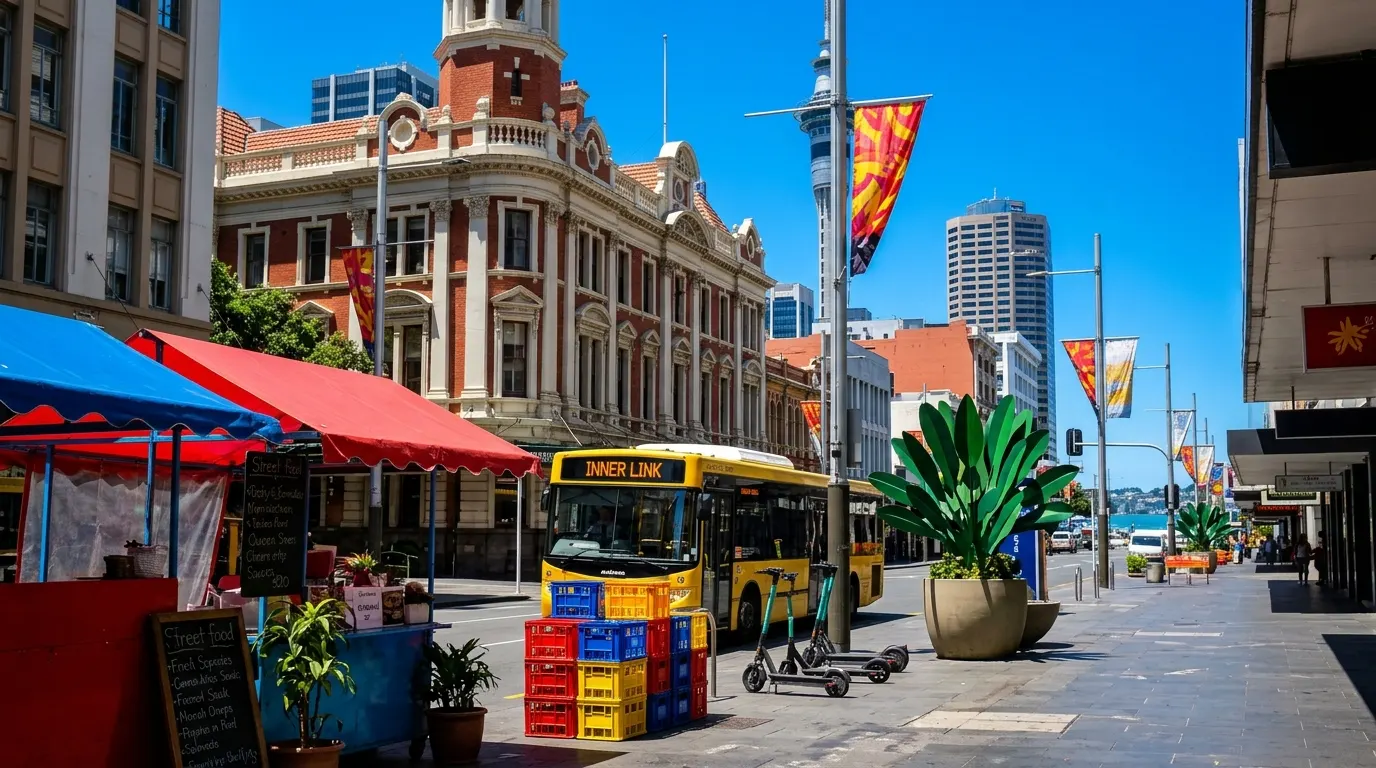
Bangkok is a vibrant, chaotic, and deeply sensory city that might seem intimidating at first glance, but it is actually incredibly welcoming to children. Thai culture reveres young ones, and you will frequently find locals going out of their way to make your kids smile. Our Bangkok city guide highlights how to navigate this sprawling metropolis without burning out.
The BTS Skytrain and MRT subway are your best friends here, offering aggressively air-conditioned relief from the intense humidity. Stroller accessibility can be hit-or-miss at older stations, so a lightweight, foldable travel stroller or a baby carrier is highly recommended. Take the kids to Lumphini Park early in the morning (around 8:00 AM) to ride swan boats and spot massive, prehistoric-looking monitor lizards sunning themselves on the banks.
For a break from the heat, Bangkok excels at indoor entertainment. The Children’s Discovery Museum near the Chatuchak Weekend Market is completely free and offers fantastic interactive science exhibits and an outdoor water play area. When hunger strikes, head to the food courts in luxury malls like Siam Paragon or ICONSIAM. These environments are spotless, offer dozens of options ranging from Pad Thai to familiar western fast food, and cost a fraction of what you would pay at a sit-down restaurant (meals average 100 THB / $3 USD).
4. Busan, South Korea: Seaside Charm and Dynamic Culture
Often overshadowed by Seoul, Busan is arguably the superior choice for families seeking a relaxed pace combined with cutting-edge infrastructure. As noted in our Busan city guide, South Korea's second-largest city hugs a stunning coastline, offering wide, sandy beaches right next to towering skyscrapers.
Haeundae Beach is the epicenter of family activity. The sand is meticulously maintained, and the shallow waters are perfect for young swimmers during the summer months. Right next to the beach, you can board the Haeundae Blueline Park Sky Capsule. These adorable, brightly colored retro train cars run on an elevated track along the coast, providing panoramic ocean views. Tickets are around 30,000 KRW ($22 USD) for a two-person capsule, and it is a massive hit with toddlers and preschoolers.
Busan is also incredibly convenient for parents. Convenience stores like CU and GS25 are on every corner, stocked with kid-friendly snacks, milk, and fresh fruit. The public transit system is immaculate, with elevators at nearly every subway station, making stroller navigation a breeze. Don't miss the Gamcheon Culture Village, a hillside community of brightly painted houses connected by steep staircases. While you will need to leave the stroller behind for this one, older kids love collecting stamps on the village's scavenger hunt map.
5. Cebu, Philippines: Island Hopping and Marine Magic
For families whose ideal vacation involves being in the water from dawn until dusk, Cebu is unparalleled. Our Cebu & The Visayas city guide dives into the region's aquatic wonders, which are surprisingly accessible even for younger children.
The warmth of the Filipino people is legendary, and traveling with children here feels like traveling with VIPs. Base your family on Mactan Island, which is closely connected to the international airport and packed with family-focused resorts. These properties often feature private beaches with gentle, wave-free waters where toddlers can safely splash.
For school-aged kids and teenagers, the true draw of Cebu is the marine life. Book a day trip down to Moalboal to witness the famous sardine run. Snorkeling just a few meters off the shore, your family will find themselves surrounded by millions of silver fish moving in synchronized tornadoes. It is a National Geographic-level experience that requires zero scuba certification. Hire a local motorized outrigger boat (a bangka) for island hopping; a full day of private boat rental typically costs around 3,500 PHP ($60 USD), allowing you to set your own pace and return to the hotel for afternoon naps if needed.
6. Chengdu, China: Pandas and Parks
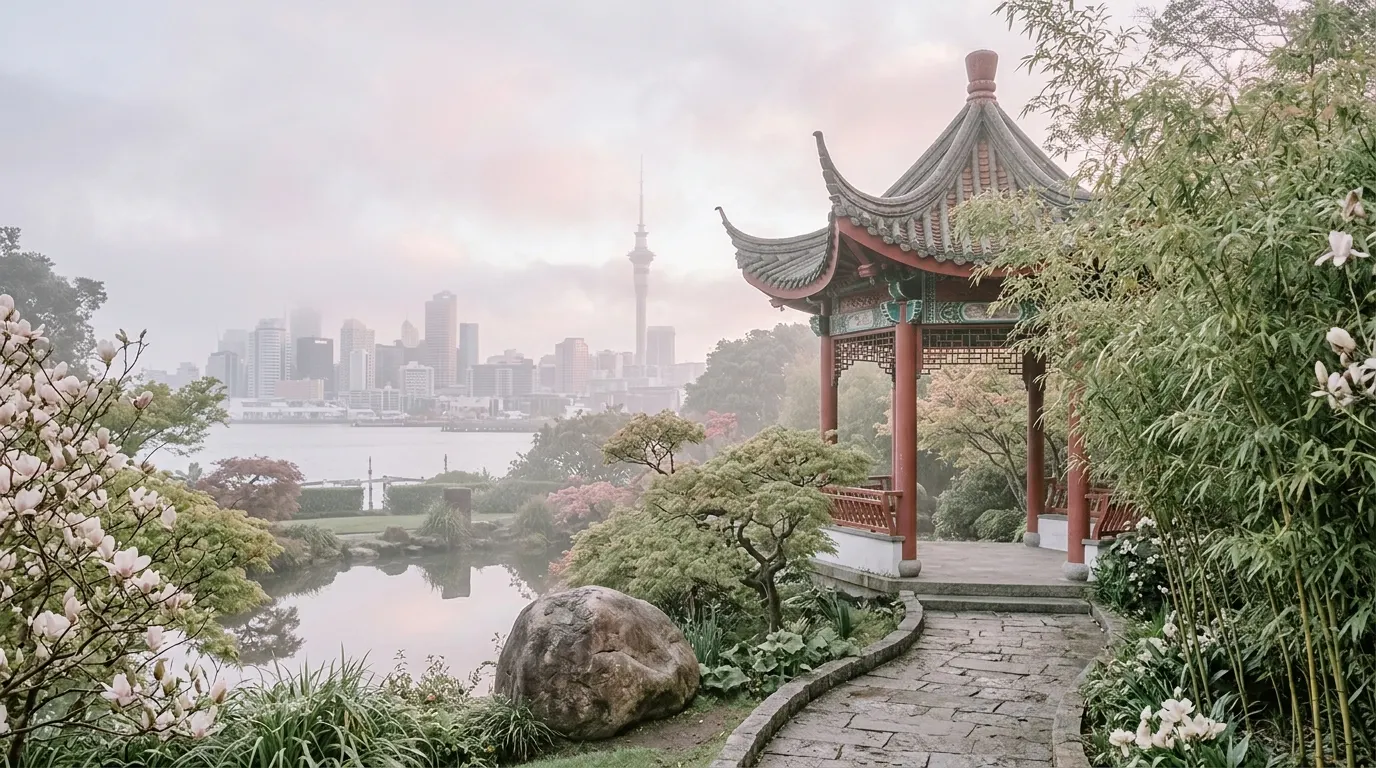
Chengdu operates at a much more relaxed pace than China’s eastern megacities, making it a fantastic, low-stress entry point into the country for families. If there is one primary reason families flock here, as detailed in our Chengdu city guide, it is the giant pandas.
The Chengdu Research Base of Giant Panda Breeding is an absolute must-do, but timing is critical. You must arrive right when the gates open at 7:30 AM. Pandas are notoriously lazy, and if you arrive after 10:00 AM, you will likely only see them sleeping in the distance. In the early morning, however, the juveniles are incredibly active, wrestling and tumbling out of trees to the delight of observing children. Entry is around 55 RMB ($8 USD).
🎟️ Book family tickets & skip-the-line tours →
Beyond pandas, Chengdu is famous for its teahouse culture and sprawling green spaces. Spend an afternoon at People's Park, where parents can sip jasmine tea while kids watch locals practice calligraphy with water on the pavement or perform elaborate fan dances. While Chengdu is famous for its numbing, spicy Sichuan cuisine, you will easily find non-spicy, kid-approved staples like sweet and sour pork, vegetable fried rice, and mild dumpling soups at almost every restaurant.
7. Beijing, China: History Brought to Life
Beijing offers families the chance to walk through the pages of a history book. While the sheer scale of the city can be daunting, our Beijing city guide breaks down how to tackle the ancient capital without exhausting little legs.
The highlight for any family is, of course, the Great Wall. Skip the overcrowded Badaling section and head to Mutianyu, located about 90 minutes from the city center. Mutianyu is fully restored, features a cable car (around 120 RMB / $17 USD round trip) that takes you straight to the watchtowers, and—most importantly for kids—offers a thrilling toboggan slide down the mountain. Riding a metal sled down the side of the Great Wall of China is an experience your teenagers will brag about for years.
Within the city, the Forbidden City requires a solid half-day. Because it is incredibly expansive and involves a lot of walking on uneven paving stones, a sturdy stroller is essential for toddlers. When the kids need a break from history, head to the Chaoyang Park, the largest park in Beijing, which features a massive outdoor playground, paddle boats, and wide paved paths perfect for a relaxing afternoon stroll.
Age-By-Age Guide to the Best Family Cities in Asia Pacific
Different developmental stages require entirely different travel strategies. Here is how to tailor your Asia Pacific itinerary based on the ages of your children.
Toddlers (Ages 2-3)
For the youngest travelers, slow pacing and easy logistics are everything. In Auckland, head to Cheltenham Beach, a picture-perfect, calm-water beach lined with Victorian villas where toddlers can safely wade without battling strong surf. Stick to cities with excellent stroller infrastructure like Busan or Singapore, and prioritize accommodations that offer separate sleeping areas so parents do not have to sit in the dark at 7:00 PM.
Preschoolers (Ages 3-5)
Preschoolers thrive on interactive environments and open spaces to run. They will love the Mission Bay Playground in Auckland, a premier seaside play space where kids can oscillate between a modern, shaded playground and the beach. They are also the perfect age for the whimsical Sculptureum, featuring three themed outdoor gardens and six indoor galleries full of colorful, larger-than-life art.
School-Age Kids (Ages 6-10)
This age group is ready for real adventures and can handle longer days. They will be mesmerized by the wildlife on Tiritiri Matangi Island or spotting massive fish at the Goat Island Marine Reserve. Cities like Tokyo, Bangkok, and Taipei are perfect for this age, offering a mix of exciting street food, interactive science museums, and high-energy cultural performances.
Tweens and Teens (Ages 11-14)
Teens want autonomy, extreme experiences, and highly "Instagrammable" moments. Auckland delivers with hikes up Rangitoto Island and stadium concerts at Go Media Stadium Mount Smart (event day). For dinner, take them to Hallertau Brewery (Riverhead); widely regarded as Auckland's most parent-friendly brewery, it pairs high-end craft beer for you with excellent wood-fired pizzas and outdoor games for them.
What to Skip: Overhyped Traps in Asia Pacific
Not every famous landmark is worth your family's time and energy. Knowing what to avoid is just as important as knowing where to go.
- Queen Street (central shopping strip) in Auckland: Auckland's main thoroughfare is a steep, congested concrete canyon dominated by generic souvenir shops. Navigating this hill with a stroller is a grueling workout, and there is very little here to capture a child's imagination. Spend your time in the coastal suburbs instead.
- Auckland Fish Market (Lunch Rush): During the peak lunch rush, this market transforms into a high-stress scramble for limited seating. Trying to balance plates of hot seafood while keeping track of wandering children in a massive crowd is a recipe for a meltdown. If you must go, visit right when it opens at 11:00 AM.
- Maungawhau / Mount Eden Summit (summit area): While the views are iconic, the logistical hurdle of extremely limited parking and the steep, often windy walk to the top makes this a tough sell for families with younger kids. The payoff rarely matches the effort required to drag a tired five-year-old up the incline.
- SkyCity Casino Auckland: While the surrounding complex has great restaurants, New Zealand law strictly prohibits anyone under the age of 20 from entering the casino gaming floor, even just walking through to get to another area. It creates frustrating detours when navigating the complex with kids.
Pro Tips from Parents for Exploring the Region
After years of hauling strollers on ferries and negotiating with toddlers in night markets, here are the most practical tips for surviving and thriving in the region.
- Master Local Transit Hacks: In Auckland, use the bright green InnerLink bus to navigate between the Auckland Museum, Parnell, and Ponsonby without folding a stroller. Also, use an AT Hop card to take the 12-minute ferry to Devonport instead of booking a pricey commercial harbor cruise. It offers the exact same skyline views for a fraction of the cost.
- Time Your Transit Carefully: Avoid driving through central city motorway interchanges between 4:30 PM and 6:30 PM anywhere in the region, but especially in Auckland, Bangkok, or Manila. The congestion is notorious and will ruin your evening plans.
- Embrace Food Halls and Night Markets: Head to local night markets (like Auckland's rotating schedule in Pakuranga or Henderson) for vibrant, cheap dinners. For lunch, visit places like Ponsonby Central for a stress-free family meal where everyone can choose from different stalls, eliminating arguments over what cuisine to eat.
- Respect the Local Environment: When climbing Maungauika or other volcanic cones in New Zealand, teach your children not to enter the actual craters. These are considered highly sacred (tapu) by local Māori. Similarly, skip visiting rugged west coast spots like Muriwai or Piha without windbreakers and sturdy footwear, even on a sunny day. The Tasman Sea winds are relentless.
- Know When the Vibe Shifts: Skip waterfront dining precincts like Auckland's Viaduct Harbour after 7:00 PM on Fridays and Saturdays. The area transitions rapidly from a family-friendly dining spot to a rowdy nightlife hub that isn't ideal for young ears.
Traveling across this massive, dynamic corner of the globe is one of the most rewarding gifts you can give your children. By leaning into the local infrastructure, pacing your days thoughtfully, and prioritizing destinations that naturally cater to families, you will create memories that last long after the jet lag fades. The best family cities in asia pacific are waiting to welcome you with open arms, incredible food, and adventures perfectly tailored for every age and stage of your family's journey.