Traveling to Europe with kids often sounds intimidating, but discovering the best family cities in europe can completely transform your vacation from stressful to spectacular. The trick is avoiding destinations that require endless museum-hopping in favor of places offering interactive experiences, sprawling parks, and accessible public transit. Whether you are traveling with an energetic toddler who needs a safe place to run or a hard-to-please teenager who craves independence and adventure, the right destination makes all the difference. We are bypassing the predictable, exhausting itineraries to focus on European destinations that genuinely welcome families with open arms, engaging activities, and parent-friendly infrastructure.
What Makes the Best Family Cities in Europe Stand Out?
A truly great family destination is not just about having a local zoo or a children's museum. It is about the daily rhythm of the city and how easily you can navigate it with children in tow. Walkability is paramount—can you comfortably push a travel stroller over the sidewalks, or will you be fighting crowds on narrow, uneven paths? Are there accessible green spaces and public squares where kids can safely burn off steam between historical sites? Does the local culture welcome children in restaurants, or will you feel out of place if your baby drops a spoon?
When evaluating the best family cities in europe, we look for destinations that balance enriching cultural experiences for adults with tactile, high-energy activities for kids. The cities and regions that make this list offer reliable public transportation, a wide variety of food options for picky eaters, and a general atmosphere that embraces the beautiful, chaotic reality of traveling with children.
1. The Algarve, Portugal: Coastal Magic in One of the Best Family Cities in Europe
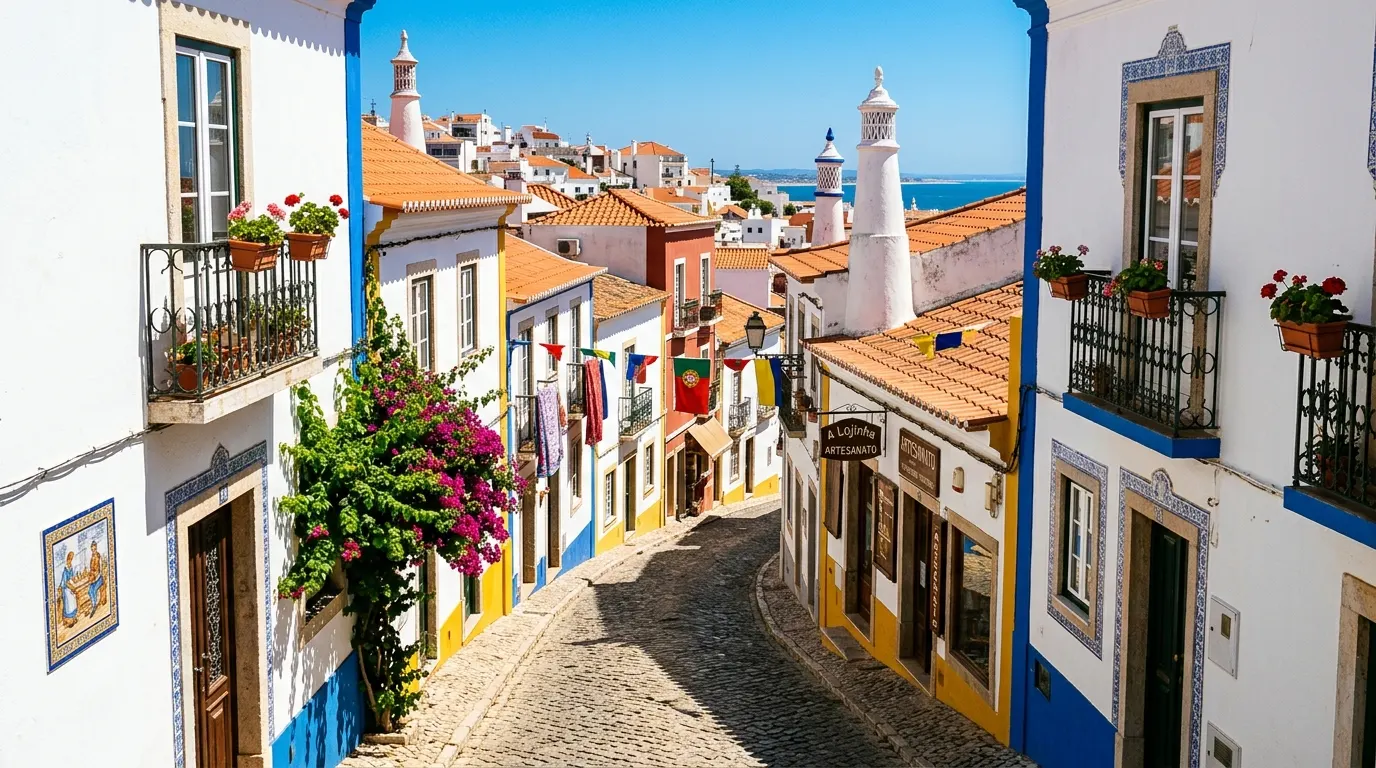
While technically a sprawling southern region rather than a single urban center, the Algarve operates like a massive, interconnected coastal playground. It offers the density of attractions, dining, and culture you would expect from a major European city, paired with some of the most spectacular coastlines in the world.
Top Things to Do in the Algarve with Kids
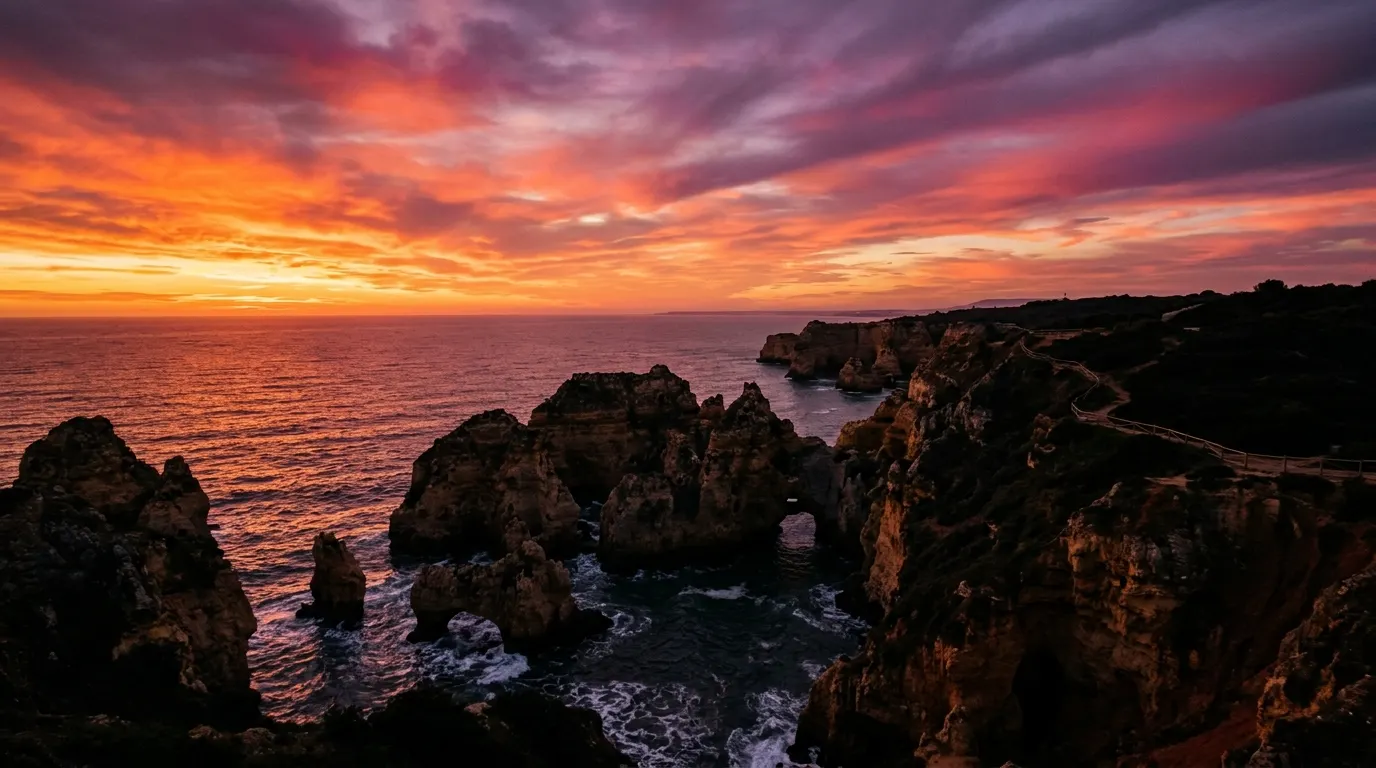
For jaw-dropping scenery, start at Ponta da Piedade, a breathtaking headland of golden limestone cliffs, natural arches, and hidden grottos. You can view the cliffs from the top via safe wooden boardwalks, but taking a small boat tour through the sea caves is thrilling for all ages. Older kids and teens will absolutely love kayaking into the iconic Benagil Sea Cave, a breathtaking natural cathedral with a massive skylight 'eye' and a hidden beach accessible only by water.
When you need a break from the sand, Zoomarine Algarve is Portugal's premier family attraction—a massive hybrid of a marine life park, water park, and traditional amusement park. For an unforgettable upgrade, look into Dolphin Emotions at Zoomarine, a premium, highly structured dolphin interaction program.
For classic beach days, Praia da Falésia offers a stunning 6km stretch of golden sand backed by dramatic ochre cliffs, featuring some of the safest, calmest waters for swimming. If you want a unique landscape, Praia de Odeceixe is a 'two-for-one' beach where the Seixe River loops around a massive sandbar to meet the Atlantic, giving kids both ocean waves and calm river water to splash in. Families looking for a quieter escape should take the short ferry to Ilha de Tavira, a stunning 11km barrier island offering calmer, warmer waters than the rest of the coast.
If you want to mix in some history and science, the Centro Ciência Viva de Lagos is a brilliant hands-on science museum set in a historic manor house that cleverly blends Portugal's maritime history with interactive exhibits. For dramatic historical views, head out to Cabo de São Vicente (Cape St. Vincent), the dramatic 'end of the world' where 75-meter cliffs meet the Atlantic, and pair it with a run around the massive courtyard of Fortaleza de Sagres.
Finally, if you are staying in the eastern Algarve and feeling adventurous, a Day Trip to Seville (Spain) is incredibly rewarding. It is a cross-border dash to one of Spain's most stunning cities, where you can explore the massive, awe-inspiring Gothic architecture of the Seville Cathedral (Catedral de Santa María de la Sede) and climb its famous bell tower.
🎟️ Book family tickets & skip-the-line tours →
Practical Details for the Algarve
- Costs: Boat tours at Ponta da Piedade run about €20-€25 ($22-$28 USD) per person. Zoomarine tickets are roughly €30-€35 ($33-$38 USD) depending on the season. Beach access is completely free across the region.
- Opening Hours: Beaches and nature reserves are open from dawn until dusk. Zoomarine operates from 10:00 AM to 5:00 PM or 6:00 PM in the summer.
- Stroller Accessibility: The wooden paths at Passadiços de Alvor (Alvor Boardwalk) and Ponta da Piedade are incredibly stroller-friendly. However, many cliffside beaches require carriers.
- Best Time to Visit: Late May through June, or September. The water is warm, but you avoid the intense August crowds and heat. Plan to spend 5 to 7 days exploring the coast.
2. Barcelona, Spain: Architecture That Feels Like a Fairy Tale
Barcelona is a sensory delight for children and adults alike. It is a city where the architecture genuinely looks like it was plucked out of a fantasy novel, making sightseeing inherently engaging for younger travelers.
Top Things to Do in Barcelona with Kids
Antoni Gaudí’s masterpieces are the stars of the show here. Park Güell is a sprawling, colorful wonderland of mosaic lizards, gingerbread-style gatehouses, and winding stone pathways that kids love to explore. The Sagrada Família, with its towering spires and rainbow-colored stained glass windows, captures the imagination of school-aged children far better than traditional, austere cathedrals.
Beyond the architecture, Barcelona boasts miles of easily accessible city beaches. Barceloneta Beach is right at the edge of the city center, meaning you can spend the morning looking at world-class art and the afternoon building sandcastles. For a break from the sun, CosmoCaixa is one of the best interactive science museums in Europe, featuring a massive indoor flooded Amazon rainforest exhibit that will leave kids speechless.
🎟️ Find family-friendly tours & activities →
Practical Details for Barcelona
- Costs: Park Güell tickets are €10 ($11 USD) for adults and €7 ($8 USD) for kids 7-12 (under 7 are free). CosmoCaixa is incredibly affordable at just €6 ($6.50 USD), and free for kids under 16.
- Food & Dining: The tapas culture is perfect for families. Instead of committing to one large, expensive meal, kids can try small plates of patatas bravas (fried potatoes), croquetas, and bread with tomato.
- Stroller Accessibility: The city is highly paved and the metro system is largely accessible via elevators. However, Park Güell is situated on a steep hill, so a lightweight travel stroller is highly recommended.
3. Amsterdam, The Netherlands: Parks, Pancakes, and Pedal Power
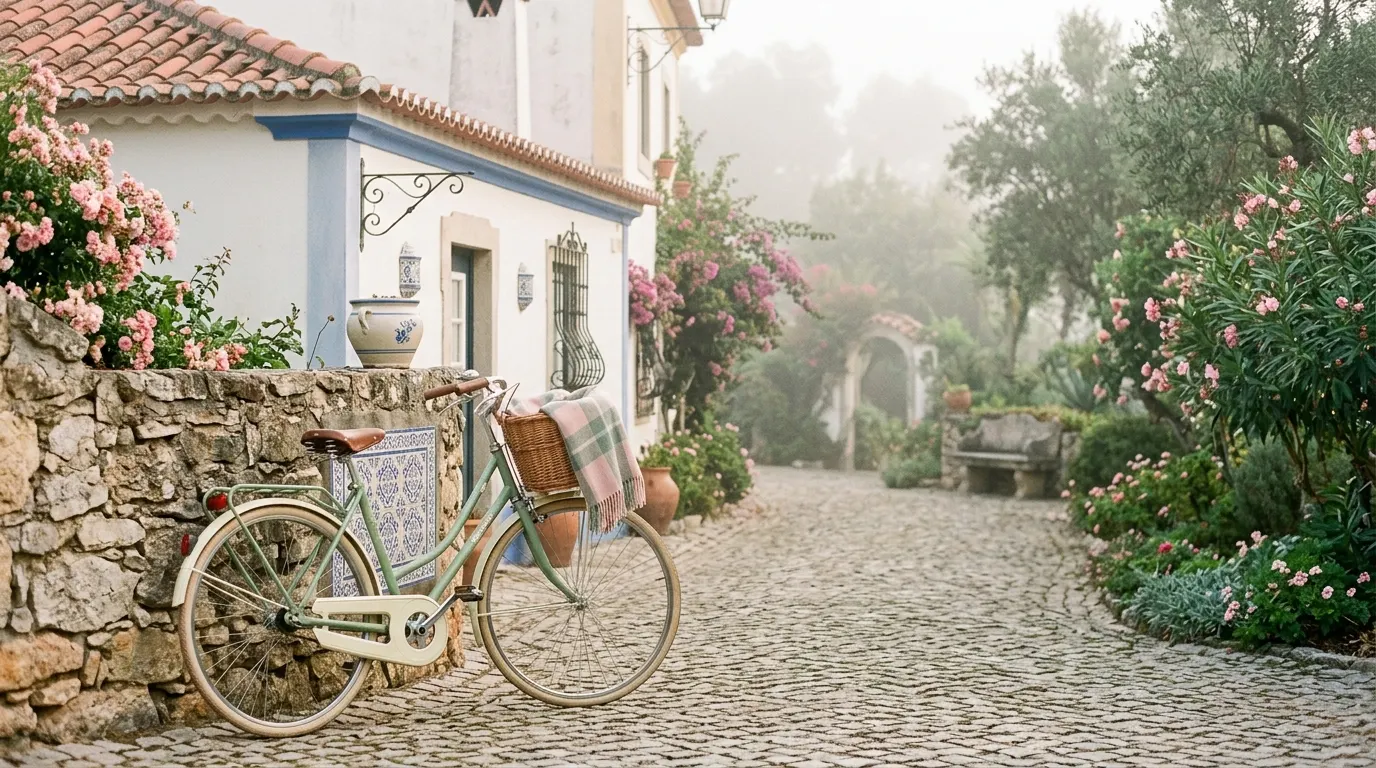
Often stereotyped for its adult nightlife, Amsterdam is actually one of the safest, most visually stunning, and child-friendly cities in Northern Europe. It is completely flat, intensely colorful, and built around a relaxed, outdoor lifestyle.
Top Things to Do in Amsterdam with Kids
The NEMO Science Museum is an absolute must-visit. Housed in a striking green building shaped like a ship's hull, it offers five floors of hands-on science experiments, water play areas, and a massive rooftop terrace with sweeping views of the city.
Vondelpark is the city's green lung and a paradise for families. It features multiple imaginative playgrounds, wading pools in the summer, and wide, flat paths perfect for renting a bakfiets (a traditional Dutch cargo bike with a wooden bucket in the front where kids can sit safely). Taking a glass-topped canal cruise is another fantastic, low-energy way to see the city's tilted houses and historic bridges when little legs get tired.
🎟️ Book family tickets & skip-the-line tours →
Practical Details for Amsterdam
- Costs: NEMO Science Museum tickets are €17.50 ($19 USD) for anyone over age 4. Canal cruises typically cost around €16-€20 ($18-$22 USD) per person.
- Food & Dining: Amsterdam is home to traditional Dutch pancake houses (pannenkoekenhuizen). These massive, crepe-like pancakes can be ordered sweet or savory and are universally beloved by children.
- Stroller Accessibility: The city is perfectly flat, but the cobblestones in the historic center can be bumpy. Watch out for the bike lanes—locals ride fast, so always look both ways before crossing the red-paved cycle paths.
4. Bergen, Norway: Fjords, Funiculars, and Outdoor Freedom
If your family craves fresh air, dramatic landscapes, and a safe, walkable environment, Bergen is unmatched. Surrounded by seven mountains and acting as the gateway to the Norwegian fjords, it feels like stepping into a storybook village.
Top Things to Do in Bergen with Kids
The highlight for most kids is riding the Fløibanen, a glass-roofed funicular railway that pulls you straight up Mount Fløyen. At the top, you are greeted with panoramic views of the city and fjords, but the real magic is the Troll Forest (Trollskogen) located just behind the viewpoint. Kids can navigate safe, well-marked nature trails while hunting for carved wooden troll statues hidden among the trees.
Down by the water, the historic Bryggen district features vibrant, leaning wooden houses that look like a movie set. The Bergen Aquarium (Akvariet) is small but highly engaging, focusing on local marine life from the North Sea, including penguins and sea lions.
Practical Details for Bergen
- Costs: Norway is notoriously expensive. Fløibanen round-trip tickets are about 160 NOK ($15 USD) for adults and 80 NOK ($7.50 USD) for kids.
- Weather Prep: Bergen is one of the rainiest cities in Europe. Pack high-quality rain gear (waterproof jackets, pants, and boots) for the whole family so the weather does not stop your adventuring.
- Pacing: The city center is incredibly compact. You can easily spend 3 to 4 days here, mixing mountain hikes with relaxed waterfront strolls.
5. Athens, Greece: Mythology Brought to Life
For school-aged kids and teenagers, Athens is the ultimate destination to see the history they have learned about in school come to life. It is loud, vibrant, and deeply welcoming to families.
Top Things to Do in Athens with Kids
Climbing to the Acropolis is an awe-inspiring experience. Standing next to the Parthenon makes the myths of Athena and Poseidon feel incredibly real. To make the history digestible, follow up with the Acropolis Museum, which offers family backpacks filled with scavenger hunts and activities to keep kids engaged with the artifacts.
When you need an escape from the urban heat, the National Garden is a massive, shaded oasis in the middle of the city featuring duck ponds, a small zoo, and excellent playgrounds. For a unique museum experience, the Museum of Ancient Greek Technology showcases the surprising inventions of the ancient world, featuring interactive models of early robotics and alarm clocks that fascinate older kids.
🎟️ Find family-friendly tours & activities →
Practical Details for Athens
- Costs: A combined ticket for the Acropolis and other major archaeological sites is €30 ($33 USD). Children under 25 from the EU, and under 5 from outside the EU, enter for free.
- Stroller Accessibility: The Acropolis is absolutely not stroller-friendly due to steep, slippery marble steps. Bring a comfortable baby carrier. The rest of the city center, particularly the pedestrian promenade around the historic sites, is easy to navigate.
- Best Time to Visit: Avoid July and August when temperatures frequently exceed 100°F (38°C). April, May, and October offer perfect sightseeing weather.
Navigating the Best Family Cities in Europe by Age Group
A destination that thrills a teenager might exhaust a toddler. Here is how to tailor your European city breaks based on your children’s ages:
Toddlers (Ages 2-3)
At this age, prioritize destinations with wide open spaces, reliable public transport, and easy beach access. The Algarve is brilliant for toddlers if you stick to the flat, safe Passadiços de Alvor (Alvor Boardwalk) or the calm shores of Praia da Falésia. Amsterdam's Vondelpark is another massive win, offering endless, safe spaces to run without worrying about car traffic. Plan for slow mornings and always map out the nearest playground for post-lunch meltdowns.
Preschoolers (Ages 3-5)
Preschoolers thrive on tactile, visual experiences. They will love the bright colors of Park Güell in Barcelona or searching for hidden trolls on Mount Fløyen in Bergen. Science centers are your best friend at this age—places like the Centro Ciência Viva de Lagos in Portugal or the NEMO Science Museum in Amsterdam offer the perfect mix of education and unstructured play. Keep transit times short and rely on fun transport methods like funiculars and glass-bottom boats.
School-Age (Ages 6-10)
This is the golden age for European travel. Kids this age have the stamina for longer walking days and the cognitive ability to appreciate history. Athens is a slam-dunk for this age group, as Greek mythology provides a thrilling narrative for exploring ruins. In the Algarve, Zoomarine Algarve offers the perfect mix of education and thrills. Scavenger hunts, food tours, and interactive history museums will keep them heavily engaged.
Tweens and Teens (Ages 11-14)
Teenagers need autonomy, adventure, and a say in the itinerary. The Algarve shines brightly here—booking a kayak tour to the Benagil Sea Cave or exploring the dramatic limestone arches and tide pools at Algar Seco (Carvoeiro) provides exactly the kind of highly Instagrammable, active adventure they crave. In cities like Barcelona or Amsterdam, rent bikes to explore the city, or let them take the lead on navigating the metro system to find the best local street food.
What to Skip in the Algarve (and Beyond)
Not every popular tourist attraction is worth your time or money, especially when traveling with kids. To save you from tantrums and wasted euros, here are a few highly promoted spots in the Algarve that you should absolutely cross off your itinerary:
- Algar de Benagil (Swimming to the Cave): While the cave itself is iconic, attempting to swim there from Benagil Beach is extremely dangerous due to strong tides and heavy boat traffic. Always book a proper boat or kayak tour instead. Speaking of the beach itself, Praia de Benagil (The Beach) isn't a beach for relaxing; it's a high-traffic transit hub for motorboats and kayaks. Families should swim elsewhere.
- Praia da Marinha (with toddlers): Widely considered one of the most beautiful beaches in the world, Praia da Marinha is stunning, but accessing it requires descending over 100 steep, uneven stone steps with no handrails. If you have a toddler and a stroller, it is a logistical nightmare. View it from the top cliffs instead.
- AquaSplash (Estói): Skip this water park. It is a dated, cramped facility that offers poor value at ~€20 per person compared to the much higher-quality parks in the region.
- Avenida Sá Carneiro (The Strip, Albufeira): This is Albufeira's infamous nightlife hub, characterized by aggressive bar promoters, loud music, and rowdy crowds. It is completely unsuitable for a family evening stroll. Similarly, avoid the Cais do Sodré-style party cruises (Albufeira 'Sunset Party Boat' operators), which are designed for a high-energy adult nightlife atmosphere featuring open bars and loud DJs.
- Salir Castle Ruins: Kids expecting towering battlements and knights will be deeply disappointed by these sparse foundation walls. It is a long drive for very little payoff.
- Jardim do Torel (Faro Waterfront Garden): Billed as a scenic garden, this is actually a tiny, unremarkable green space near the Faro marina that offers zero engagement for families.
Pro Tips from Parents for Visiting European Cities
- Embrace the European Dining Schedule: In countries like Spain, Portugal, and Greece, restaurants do not open for dinner until 7:30 PM or 8:00 PM. Shift your kids' schedules by a few hours, prioritize a late afternoon nap or rest time, and enjoy the vibrant evening culture where kids are widely welcomed at late-night dinners.
- Choose the Right Stroller: Cobblestones are the enemy of cheap umbrella strollers. Invest in a sturdy, lightweight travel stroller with decent suspension, or better yet, bring a soft-structured baby carrier for historic centers and cliffside walks.
- The "One Big Thing" Rule: Do not try to pack three museums and a walking tour into a single day. Plan for "One Big Thing" in the morning when energy is high, followed by a relaxed lunch, and an unstructured afternoon at a local park or beach.
- Hit the Local Grocery Stores: European grocery stores are cultural experiences in themselves. Stock up on local fresh fruit, incredible cheap pastries, and familiar snacks on your first day. Having snacks on hand is the ultimate defense against mid-sightseeing meltdowns.
- Book the Big Ticket Items in Advance: Nothing kills family morale faster than standing in a two-hour ticket line in the sun. Always pre-book skip-the-line tickets for major attractions like the Acropolis, Park Güell, or Zoomarine weeks before you arrive.
Taking your children across the globe is a massive undertaking, but choosing one of the best family cities in europe guarantees that the effort is rewarded. By prioritizing destinations that offer outdoor freedom, hands-on discovery, and a welcoming culture, you are setting the stage for a vacation where both you and your kids can genuinely relax, explore, and create memories that will outlast any souvenir.