Feeding children on vacation can quickly become the most expensive line item in your travel budget. Between the endless snack requests, the half-eaten restaurant meals, and the premium prices often charged in tourist zones, keeping your family fed is a logistical and financial hurdle. But what if you chose destinations where dining was so affordable, or so cleverly packaged, that your children could eat for free—or at least for pennies on the dollar? When evaluating the best family cities in latin america and the neighboring Caribbean islands, food accessibility and affordability are major factors that can make or break your trip.
In certain regions, the culture of dining out is inherently family-centric, meaning you won't find upcharges for split plates or premium pricing for a basic grilled cheese. Instead, you will find massive sharing portions, incredible street food economies, and resort cultures that actively subsidize children's meals. Here is a curated guide to five destinations where feeding your kids will feel delightfully light on your wallet.
Why the Best Family Cities in Latin America (and the Caribbean) Win at Dining
In North America or Europe, dining out with kids often means navigating rigid menus, mandatory minimums, and expensive "kids' menus" consisting of frozen chicken nuggets. South of the border and into the Caribbean, the dining culture shifts dramatically. Food is communal, portions are often designed for sharing, and children are welcomed in almost every establishment at any hour.
You will quickly discover that a single adult entrée in a traditional parrilla or a platter of local seafood is more than enough to feed a parent and two young children. Furthermore, the robust bakery and street food cultures mean that snacks—the lifeblood of any family vacation—are fresh, delicious, and incredibly cheap. Whether you are leveraging favorable exchange rates, street-side fruit vendors, or clever beach club day passes, these destinations prove that culinary exploration with your kids doesn't require a bottomless budget.
1. Buenos Aires, Argentina: Where the Exchange Rate Makes Dining Nearly Free
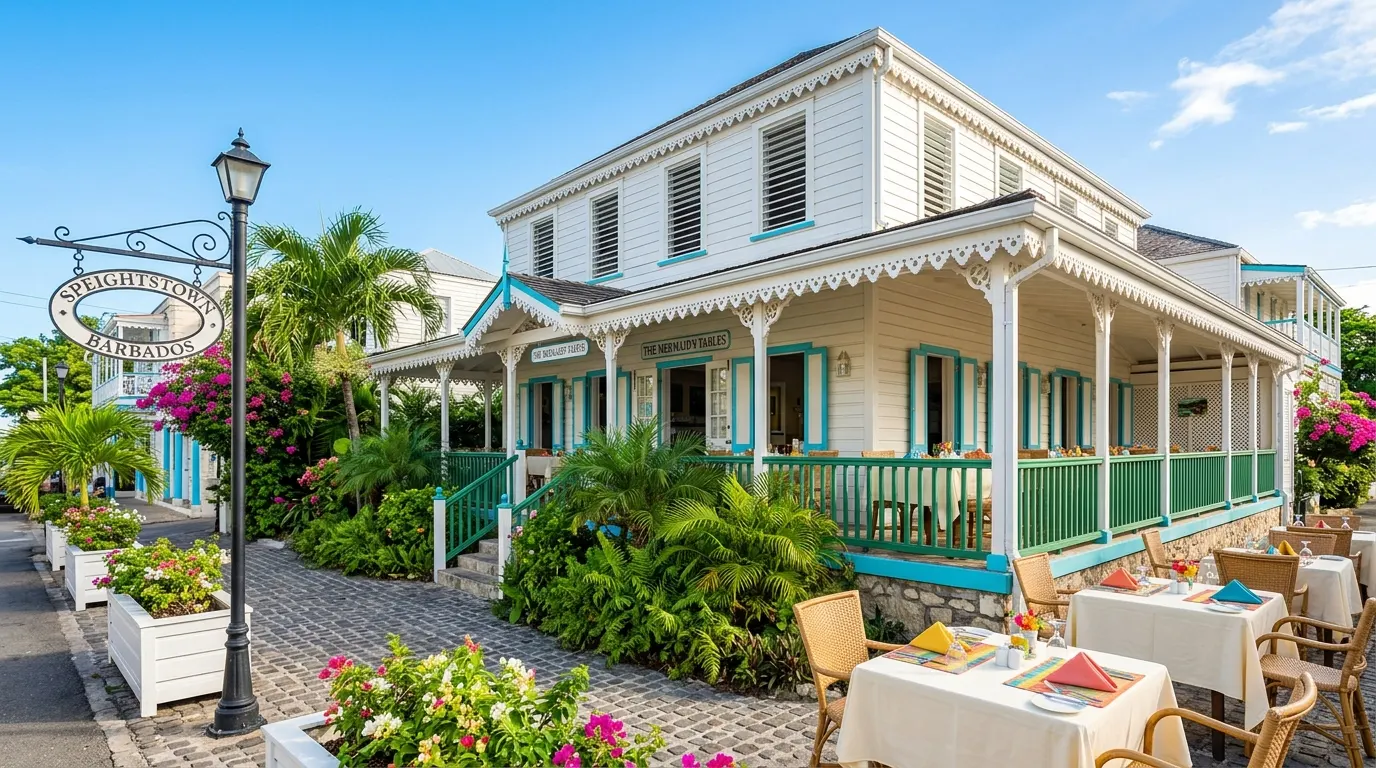
Buenos Aires is a sprawling, European-style metropolis with a distinctly South American heart. For families, it is also one of the most economically advantageous dining destinations on the planet. Thanks to the highly favorable exchange rate for foreign travelers, dining out at exceptional restaurants costs a fraction of what it would back home.
In Buenos Aires, your kids will practically live on empanadas. These savory, baked or fried hand pies are ubiquitous, sold in corner bakeries and dedicated shops for roughly 1,000 to 1,500 ARS (about $1.00 to $1.50 USD). A family of four can easily grab a dozen empanadas for under $15 USD, making for a hearty, completely customizable lunch.
For dinner, traditional steakhouses (parrillas) serve portions that are almost laughably large. A single order of bife de lomo (tenderloin) paired with papas fritas (french fries) is easily enough to feed an adult and two children. Because you are simply sharing one incredibly affordable adult meal (often around $15-$20 USD total), your kids are essentially eating for free. Strollers are easily accommodated in the wide avenues of neighborhoods like Palermo, and while Argentines eat notoriously late (restaurants often don't open for dinner until 8:00 PM), many cafes and casual spots serve substantial food all afternoon.
2. Bogota, Colombia: Bakeries on Every Corner
Nestled high in the Andes, the capital of Colombia requires a bit of pacing due to the altitude, meaning you will be taking frequent breaks. Thankfully, Bogota is famously packed with panaderías (bakeries), which serve as the ultimate cheat code for feeding hungry children on a budget.
In Bogota, a bakery stop is a daily ritual. For less than $0.50 USD each, you can load up on pandebono (warm, cheesy bread made from tapioca flour) or almojábanas (cornmeal cheese bread). These are naturally gluten-free, delightfully squishy, and universally loved by toddlers and teens alike. You can buy a bag full of warm pastries to keep in the stroller basket for emergency snacking throughout the day.
For a sit-down meal, traditional spots serve menu del día (menu of the day) for lunch. For around 15,000 to 20,000 COP ($4 to $5 USD), you receive a bowl of soup (often the mild, potato-based ajiaco), a main plate with rice, beans, plantains, and a protein, plus a fresh juice. The portions are huge, meaning you only need to order two of these to comfortably feed a family of four.
3. Cartagena, Colombia: Street Food and Fresh Fruit Stands
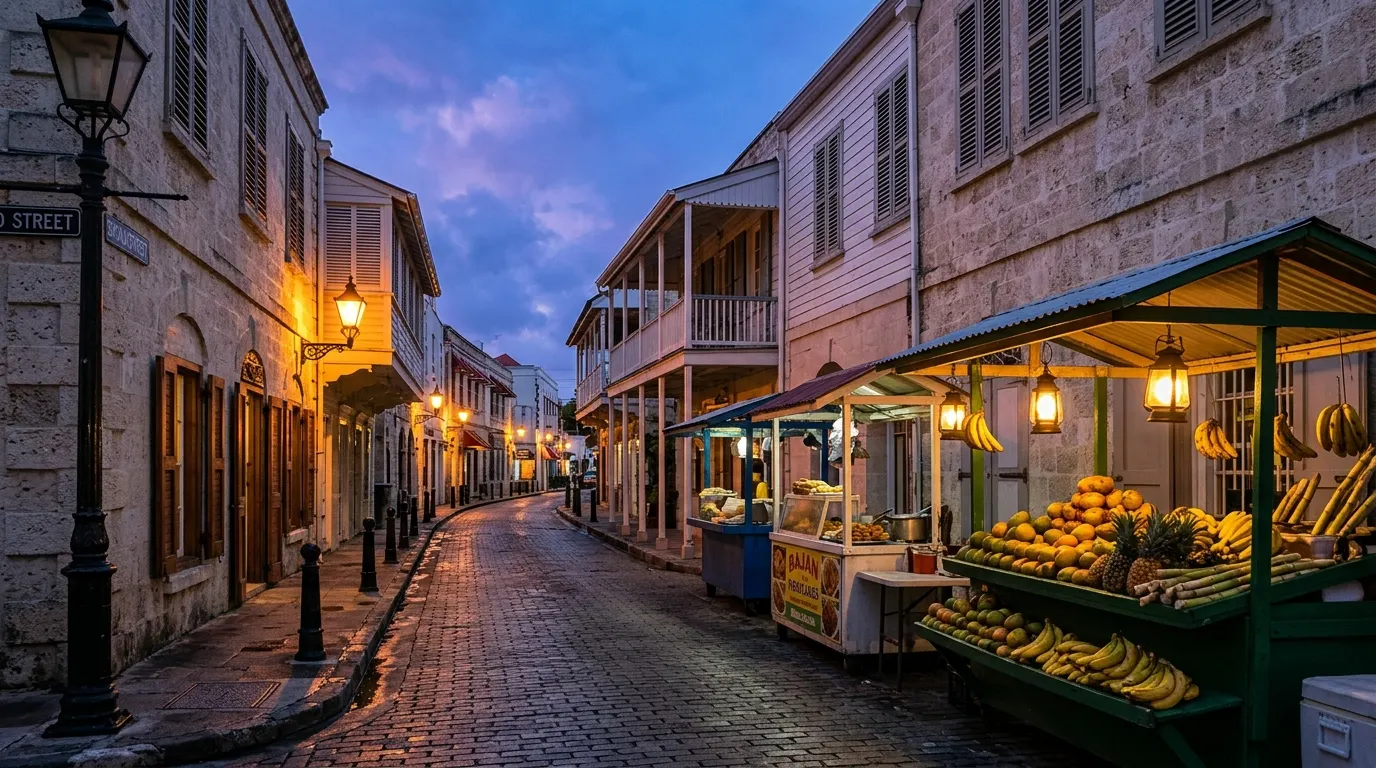
Leaving the cool mountains for the Caribbean coast, Cartagena offers a vibrant, sensory-rich environment where much of the culinary action happens right on the streets. The heat here is intense, so hydrating and snacking frequently is essential.
You will see palenqueras—women in brightly colored dresses—balancing massive bowls of fruit on their heads. For about 5,000 COP ($1.25 USD), they will chop up a massive cup of fresh mango, watermelon, and pineapple. It is a refreshing, hydrating snack that costs next to nothing.
For something savory, Cartagena's street vendors fry up arepas de huevo (cornmeal cakes stuffed with a whole egg and sometimes ground meat) and cheese-stuffed empanadas. At roughly $1.00 USD each, you can hand your kids a few coins and let them point to what they want. It empowers them to try new things without the financial risk of ordering a $15 restaurant appetizer they might reject. Most street food is best enjoyed in the late afternoon when the sun starts to dip and the plazas come alive.
4. Bariloche, Argentina: The Chocolate Capital
If you are heading south to the Patagonia region, Bariloche is a dream destination for families. Known for its stunning lakes and alpine architecture, it also holds the title of Argentina's chocolate capital.
Walking down Calle Mitre, the main thoroughfare, you will pass dozens of artisanal chocolate shops. Almost every single one has employees standing outside handing out generous, free samples of milk chocolate, truffles, and chocolate-covered nuts. Your kids can quite literally snack for free just by strolling through the town center.
When it comes to actual meals, Bariloche is famous for milanesas (thin, breaded, and fried cuts of meat, similar to schnitzel). A milanesa napolitana comes topped with ham, tomato sauce, and melted cheese—essentially a pizza made of meat. Order one "para compartir" (to share) for about $8-$10 USD, and it will arrive on a platter the size of a hubcap, accompanied by a mountain of fries. It easily feeds two to three children, making your dining budget stretch incredibly far.
5. Barbados: Resort Perks, Beach Clubs, and Bajan Value
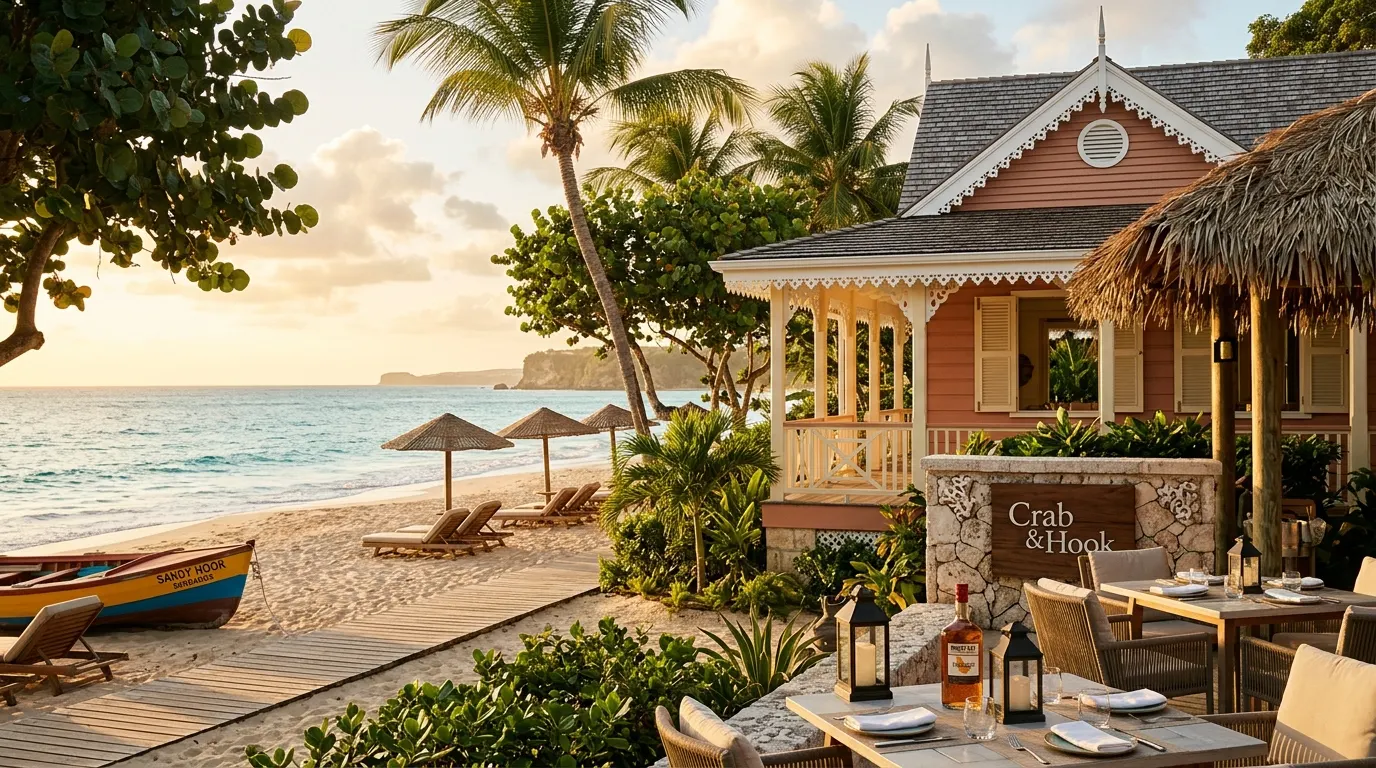
While not geographically in Latin America, Barbados is a neighboring Caribbean powerhouse that frequently anchors family itineraries in the region. Here, the "nearly free" dining strategy shifts from street food to leveraging value-packed beach clubs, all-inclusive day passes, and interactive culinary experiences.
Your first strategy in Barbados should be utilizing beach clubs that offer credit back on your entry fee. For instance, The Boatyard Barbados on Carlisle Bay is a high-energy spot that offers arguably the best value-for-money day pass on the island. You pay an entry fee (usually around $35 USD for adults, often discounted for kids), but you get the majority of that back in food and beverage credit. Essentially, you are paying for lunch and getting free access to lounge chairs, umbrellas, ocean trampolines, and a rope swing. The calm, crystal-clear waters here are perfect for young swimmers.
🎟️ Book family tickets & skip-the-line tours →
For a high-energy afternoon, Rascal's of Barbados features the island's largest inflatable ocean water park. While the kids exhaust themselves on the floating obstacle course, parents can relax at the restaurant. Sharing local platters here keeps costs down while maximizing entertainment value.
If you want a truly memorable, hands-on meal, book the Weston (Bajan Cooking Class). This intimate experience teaches families the secrets of Bajan staples like flying fish and cou-cou. Because the class culminates in eating the feast you just prepared, it serves as both your daily activity and your lunch, providing excellent double-duty value for your travel budget.
If you are booking excursions, look for those that include meals. The Turtle Encounter with Cool Runnings Catamaran Cruises is a fantastic, family-friendly option. This high-end cruise balances adult relaxation with kid-centric adventure, taking you to swim with sea turtles. The ticket price includes a massive, high-quality buffet lunch and all drinks, meaning you don't have to worry about feeding hungry swimmers once you get back to shore.
🎟️ Find family-friendly tours & activities →
Between meals, you can explore the island's natural wonders. A ride on the St. Nicholas Abbey Heritage Railway takes you through mahogany forests, while Harrison's Cave Eco-Adventure Park offers a comfortable electric tram ride through massive limestone caverns—both highly engaging for kids and easy to navigate with little ones.
For a completely free and calm beach day, head to Pebbles Beach or Miami Beach (Enterprise Beach). Both offer incredibly calm waters for toddlers. At Pebbles Beach, you can grab a famous "fish cutter" (a fried flying fish sandwich) from the legendary Cuz's Fish Stand in the parking lot for just a few dollars—a cheap, iconic meal that beats any overpriced resort food.
What to Skip: Dining and Attractions to Avoid with Kids
While these destinations offer incredible value, there are absolutely places where you will overpay for an experience that doesn't cater to children. Here are a few spots to skip to protect your budget and your sanity:
- Tapas Restaurant at Sandy Lane (Barbados): With a price tag often exceeding $100 per person and a formal atmosphere that demands long pants for men and boys, this is a stressful environment for families. The food is excellent, but keeping young children quiet and contained in such a formal setting is exhausting and not worth the premium price.
- The Cliff Restaurant (Barbados): Similar to Tapas, this is one of the most expensive and formal dining experiences in the Caribbean. It features a strict dress code and an atmosphere entirely unsuited for the beautiful chaos of family dining. Save this for an adults-only anniversary trip.
- Nikki Beach Barbados (at Port Ferdinand): Sometimes marketed as a luxury beach club, this is actually a high-octane adult party destination. Champagne magnums, fireworks, and loud DJ sets make this completely inappropriate (and wildly expensive) for families with children.
- Bathsheba Beach and Bottom Bay (Barbados): While these are arguably the most stunning coastlines on the island, they are functionally useless for families. The Atlantic currents and powerful undertows make swimming incredibly dangerous, even for strong adult swimmers. Stick to the calm waters of the west and south coasts.
Age-By-Age Guide to Dining in the Best Family Cities in Latin America
Navigating foreign food cultures requires slightly different strategies depending on the age of your children. Here is how to handle dining across different developmental stages.
Toddlers (Ages 2-3)
At this age, routine and familiar textures are key. The beauty of Latin American and Caribbean dining is the abundance of simple starches. In Colombia, rely on arepas and mild cheeses. In Argentina, plain empanadas (often just ham and cheese) are perfect toddler food. When visiting places like Art Splash Centre in Barbados, you can take advantage of the gated wooden playground while ordering simple, healthy smoothies and wraps. Always ask for high chairs ("silla de comer") well in advance, as smaller cafes may only have one or two.
Preschoolers (Ages 3-5)
Preschoolers are often visually driven eaters. This is the perfect age to introduce them to street fruit stands and colorful bakeries. Give them a few small bills and let them point to the pastry or fruit cup they want. Because items cost so little, it doesn't matter if they take two bites and abandon it. In Barbados, the calm waters of Accra Beach (Rockley Beach) feature a reef-protected pool perfect for this age group, with plenty of cheap food kiosks right on the boardwalk.
School-Age (Ages 6-10)
Children in this bracket are ready for experiential dining. They will love the massive, shared platters of Argentine steakhouses, marveling at the sheer size of a milanesa. Cooking classes, like the Bajan cooking experience in Barbados, are highly engaging for 8-to-10-year-olds who can actively participate in mixing and measuring.
Tweens and Teens (Ages 11-14)
Older kids have massive appetites, making the "nearly free" aspect of these cities a lifesaver. Give teens a daily street food allowance and let them explore local markets independently. They can navigate ordering their own empanadas in Buenos Aires or negotiating for a fresh coconut on the beach in Cartagena. Their palates are also ready for bolder flavors, so encourage them to try the chimichurri sauces and local spices.
Pro Tips from Parents for Eating Abroad
To make your family dining experiences as smooth as possible, keep these hard-won local tips in mind:
- Mind the Sunday Closures: In many Latin American and Caribbean cities, Sunday is strictly a day of rest. In Barbados, the capital city virtually shuts down on Sundays. Most shops on Broad Street and the Cheapside Market will be closed, leaving you with very few casual dining options. Plan to eat at your hotel or book a specific Sunday brunch in advance.
- Beware the Friday Night Fish Fry Crowds: Famous local food events, like the Oistins Fish Fry in Barbados, sound great on paper. However, while the atmosphere is iconic, the crowds become shoulder-to-shoulder by 7:30 PM, and the thick smoke from the grills can be overwhelming for little lungs. If you go, arrive at 5:30 PM, eat early, and leave before the chaotic party begins.
- Watch Out for Toxic Trees: When picnicking on West Coast beaches in Barbados, look out for trees with small green "apples" and red bands painted on the trunks. These are Manchineel trees, and they are highly toxic. Do not sit under them, and absolutely do not let children touch the fruit or leaves, as they cause severe blistering.
- Use the Boardwalks for Evening Strolls: Trying to walk to dinner along busy roads with a stroller is stressful. Instead, seek out pedestrian zones. In Barbados, visit the Richard Haynes Boardwalk around sunset. Not only is it stroller-friendly and safe from traffic, but you can often spot sea turtles popping their heads up in the waves right before dinner.
- Speed Through the Airport: Hungry, tired kids after a long flight are a recipe for a meltdown. Grantley Adams International (BGI) in Barbados can have long, humid immigration lines. Booking a VIP fast-track service ahead of time gets you through customs in minutes, getting you to your first meal that much faster.
A Delicious and Affordable Adventure Awaits
Traveling with children doesn't mean you have to resign yourself to overpriced, mediocre tourist food. By choosing destinations with rich street food cultures, favorable exchange rates, and family-friendly sharing customs, you can feed your crew incredibly well on a surprisingly small budget. Whether you are splitting a giant steak in Argentina, grabbing warm pastries in Colombia, or leveraging a beach club day pass in the Caribbean, the best family cities in latin america and beyond prove that culinary travel with kids can be both culturally enriching and remarkably affordable.