Deciding where to take your kids for a tropical getaway can feel overwhelming when every island promises pristine beaches and endless sunshine. But when you are traveling with children—whether you are wrangling a toddler who puts sand in their mouth or trying to impress a notoriously hard-to-please teenager—not all islands are created equal. You need destinations that balance safety, accessibility, engaging activities, and parent-friendly logistics. After extensive travel and countless conversations with other parents, we have narrowed down the absolute best family cities in Caribbean. These destinations go beyond just having a nice pool; they offer reliable healthcare infrastructure, easy flights, minimal time-zone adjustments, and a genuine welcoming attitude toward children.
From the rugged, desert-like terrain of the ABC islands to the lush, culturally rich shores of Jamaica, each of these hubs offers a distinct flavor of island life. Whether you are seeking the effortless convenience of an all-inclusive resort or the independence of renting a villa and exploring hidden coves in a rental car, this guide breaks down exactly what makes these locations work so well for families.
1. Aruba: The Ultimate Island Playground for Families
When searching for the best family cities in caribbean, Oranjestad and the surrounding coastal areas of Aruba frequently top the list, and for good reason. Aruba sits outside the hurricane belt, meaning you can plan a family trip here year-round without constantly checking weather apps. The island is remarkably safe, the tap water is safe to drink (and delicious, as it comes from a highly advanced desalination plant), and US dollars are accepted everywhere.
For beach days, you cannot beat Eagle Beach. Widely ranked as one of the best beaches in the world, it offers a massive stretch of powdery white sand that gives kids plenty of room to run without kicking sand onto neighboring towels. If you have toddlers, Baby Beach on the southern tip of the island is mandatory. It is a crescent-shaped lagoon where the water stays waist-deep for hundreds of yards, protected by a man-made breakwater. It effectively creates a massive, warm, saltwater wading pool where you can actually relax while your little ones splash. For older kids looking for action, the Aruba Watersports Center right on Eagle Beach provides highly professional, safe high-speed tubing and banana boat rides.
When you need a break from the sand, book a trip with ABC Tours Aruba (UTV Tours). This high-energy off-road adventure takes you through Arikok National Park's rugged coastline. It is incredibly dusty and bumpy—meaning tweens and teens will absolutely love it. For a more relaxed wildlife experience, head to Boca Catalina, a small, secluded bay famous for crystal-clear, calm water where kids can snorkel right off the shore and see colorful fish immediately.
Dining in Aruba is incredibly kid-friendly. West Deck Island Grill offers a laid-back, open-air vibe on Governor's Bay where kids can watch cruise ships come and go while eating excellent casual fare. For a memorable dinner, Marina Pirata in Savaneta allows families to dine on a wooden pier directly over the water, where kids can drop breadcrumbs to the fish below. If you want a luxury resort experience that still caters to children, the Hyatt Regency Aruba Resort Camp Hyatt balances adult relaxation with a phenomenal dedicated kids' club and a multi-level pool complex.
🎟️ Book family tickets & skip-the-line tours →
Practical Parent Details:
- Stroller Accessibility: The paved path running behind Eagle and Palm Beach is excellent for strollers. Downtown Oranjestad is also highly accessible.
- Costs: Aruba is on the higher end of the Caribbean price spectrum. Expect dinner for a family of four at a mid-range sit-down restaurant to cost around $100-$150 USD (180-270 AWG).
- Best Time to Visit: September to November offers the calmest winds, though the trade winds year-round keep the island feeling cool despite the intense sun.
Read our complete Aruba city guide for more detailed itineraries.
2. Nassau, Bahamas: Water Parks and Pirate History
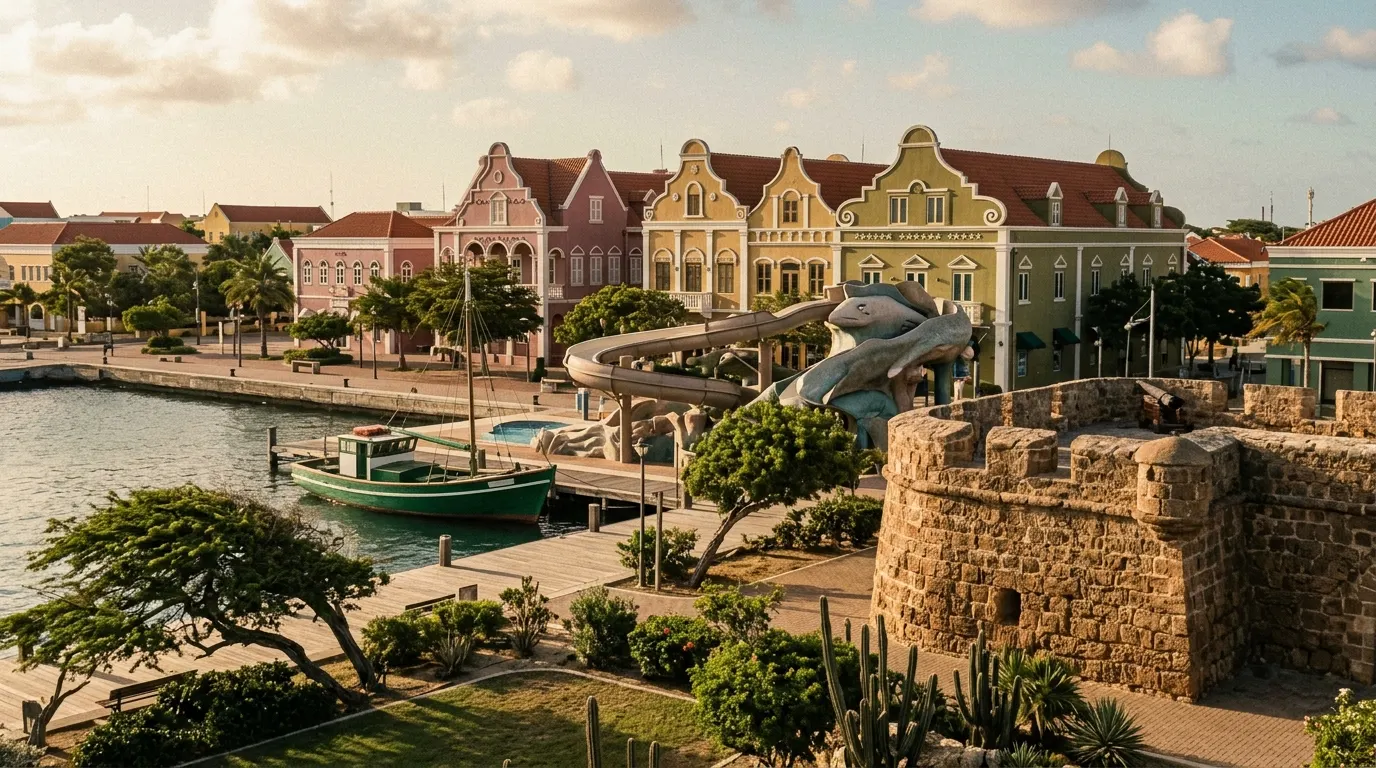
Just a quick, easy flight from the US East Coast, Nassau offers a dense concentration of family entertainment. If your primary goal is maximizing fun with minimal transit time, Nassau delivers. The city is essentially split into two main family hubs: Paradise Island and the Cable Beach area.
Nassau is famous for its mega-resorts, which function as self-contained family entertainment ecosystems. While the beaches are beautiful, the main draw here for kids is the sheer scale of the water parks. Depending on where you stay, you will have access to massive lazy rivers, zero-entry splash zones for toddlers, and towering slides that will keep teenagers occupied for days. Beyond the pools, downtown Nassau offers a surprising amount of history. The Pirate Museum is a highly interactive, slightly spooky (but mostly goofy) walk-through experience that school-aged kids adore, offering a great indoor escape when the midday sun gets too intense.
Cable Beach is the ideal spot for families who want to swim in the ocean. The water here is typically very calm, clear, and shallow for a good distance out, making it much less intimidating for young swimmers than the Atlantic-facing beaches on other islands.
🎟️ Find family-friendly tours & activities →
Practical Parent Details:
- Stroller Accessibility: The major resorts are incredibly stroller-friendly with ramps and elevators everywhere. Downtown Nassau can be a bit more challenging due to narrow, crowded sidewalks.
- Costs: The Bahamian Dollar (BSD) is pegged 1:1 to the US Dollar, and USD is accepted everywhere. Food and activities within the resorts are expensive, so consider stopping at a local grocery store for snacks and bottled water.
- Getting Around: Taxis are plentiful, but they rarely have car seats. Bring a lightweight travel car seat if you plan to leave the resort property frequently.
Read our complete Nassau city guide to plan your trip.
3. Punta Cana, Dominican Republic: All-Inclusive Ease
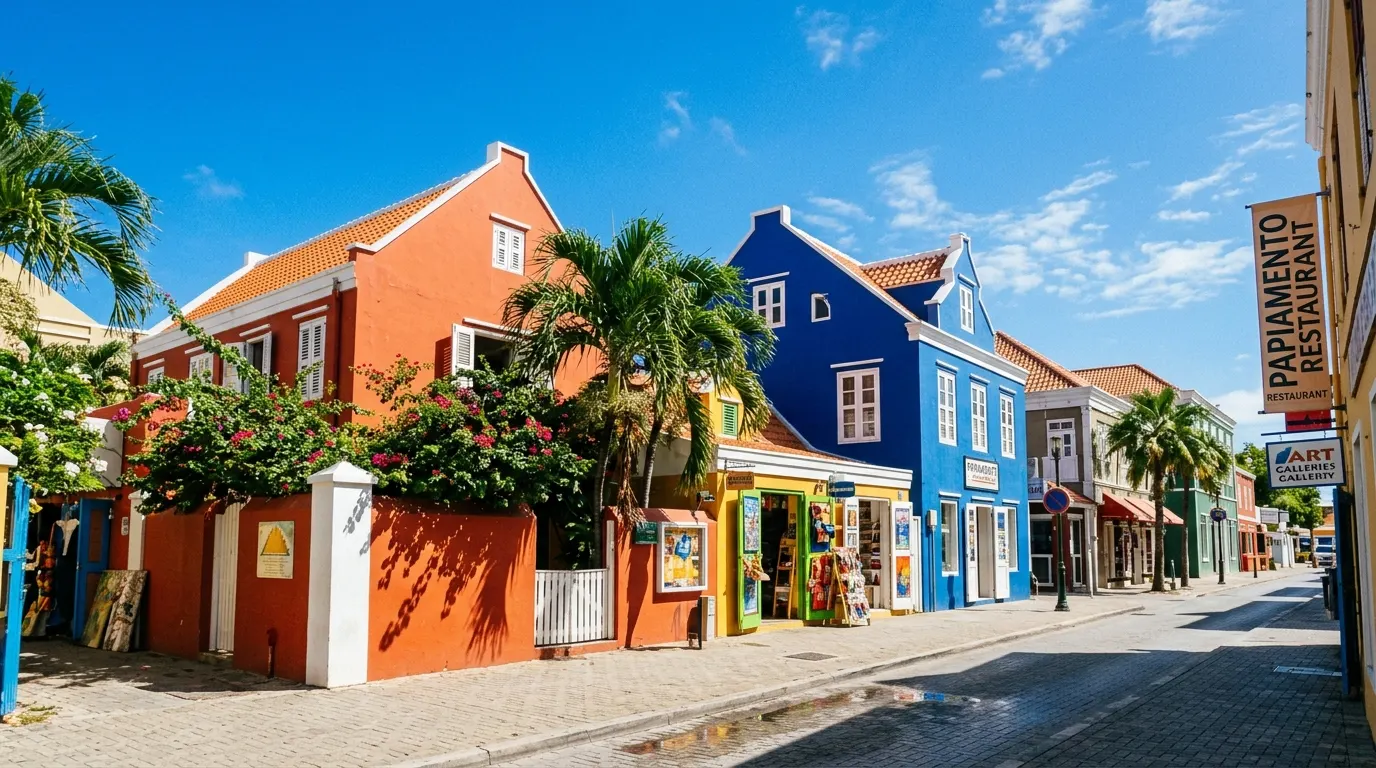
Sometimes, parents just need a vacation where they do not have to make a single decision about where to eat or how to entertain the kids. Punta Cana is the undisputed king of the family-friendly all-inclusive resort. The coastline here is lined with massive properties that have spent decades perfecting the art of family hospitality.
The beaches in Punta Cana, particularly Bavaro Beach, are postcard-perfect: wide, lined with palm trees for natural shade, and protected by an offshore reef that keeps the surf manageable for children. The real value of Punta Cana, however, lies in the resort kids' clubs. The Dominican Republic has a highly warm, family-centric culture, and the staff at these clubs are genuinely enthusiastic. Many resorts offer tiered clubs: one for toddlers and preschoolers with crafts and splash pads, one for school-aged kids with beach Olympics and video game tournaments, and teen lounges that give older kids a safe sense of independence.
If you do venture off-property, Scape Park is a fantastic day trip for families with older kids. It is a natural theme park built around the region's unique topography, offering zip-lining, cave swimming, and cultural exhibits that feel far more authentic than a standard water park.
Practical Parent Details:
- Stroller Accessibility: Resort grounds are meticulously maintained with wide, flat pathways.
- Costs: You can find incredible value here depending on the season. The local currency is the Dominican Peso (DOP), but if you stay at an all-inclusive, you will likely only need small USD bills for tipping the staff (which is highly appreciated).
- Airport Transfers: Pre-book a private transfer with a company that provides car seats. The Punta Cana airport can be chaotic upon arrival, and having a driver waiting with a sign and a safe vehicle reduces stress immensely.
Explore our Punta Cana city guide for resort recommendations.
4. Montego Bay, Jamaica: Culture, Rivers, and Rhythm
Jamaica offers a distinctly different vibe from the flat, sandy coral islands elsewhere in the Caribbean. Montego Bay is lush, mountainous, and vibrating with culture. It is an excellent destination if you want your children to experience a vibrant local culture alongside their beach time.
Doctor's Cave Beach is the most famous family spot in Montego Bay. The water here is fed by mineral springs, making it incredibly clear and buoyant, and the sand is meticulously groomed. Because there is a small admission fee, it rarely gets overwhelmingly crowded, and the facilities (clean bathrooms, changing rooms, and snack bars) are well-maintained.
For a uniquely Jamaican experience that works perfectly for all ages, book a bamboo rafting trip down the Martha Brae River. You sit on a comfortable, two-person bamboo raft while a guide gently poles you down a calm, emerald-green river surrounded by dense jungle. It requires zero physical effort, making it ideal for pregnant mothers, parents holding toddlers, or grandparents traveling with the family. Older kids will enjoy trailing their feet in the water and learning about the local flora and fauna from the guides.
🎟️ Book family tickets & skip-the-line tours →
Practical Parent Details:
- Stroller Accessibility: Resorts are accessible, but off-property excursions often involve uneven terrain or sand. A baby carrier is much more useful here than a stroller.
- Costs: The Jamaican Dollar (JMD) is the official currency, but USD is widely accepted in tourist areas. Expect to negotiate taxi fares before getting in the vehicle.
- Airport Tip: Book the "Club Mobay" VIP arrival and departure service. They meet you at the gate, fast-track you through immigration and customs, and provide a comfortable lounge with snacks and drinks. It is a lifesaver when traveling with tired children.
Check out our Montego Bay city guide for more cultural excursions.
5. Willemstad, Curaçao: Colorful Architecture and Hidden Coves
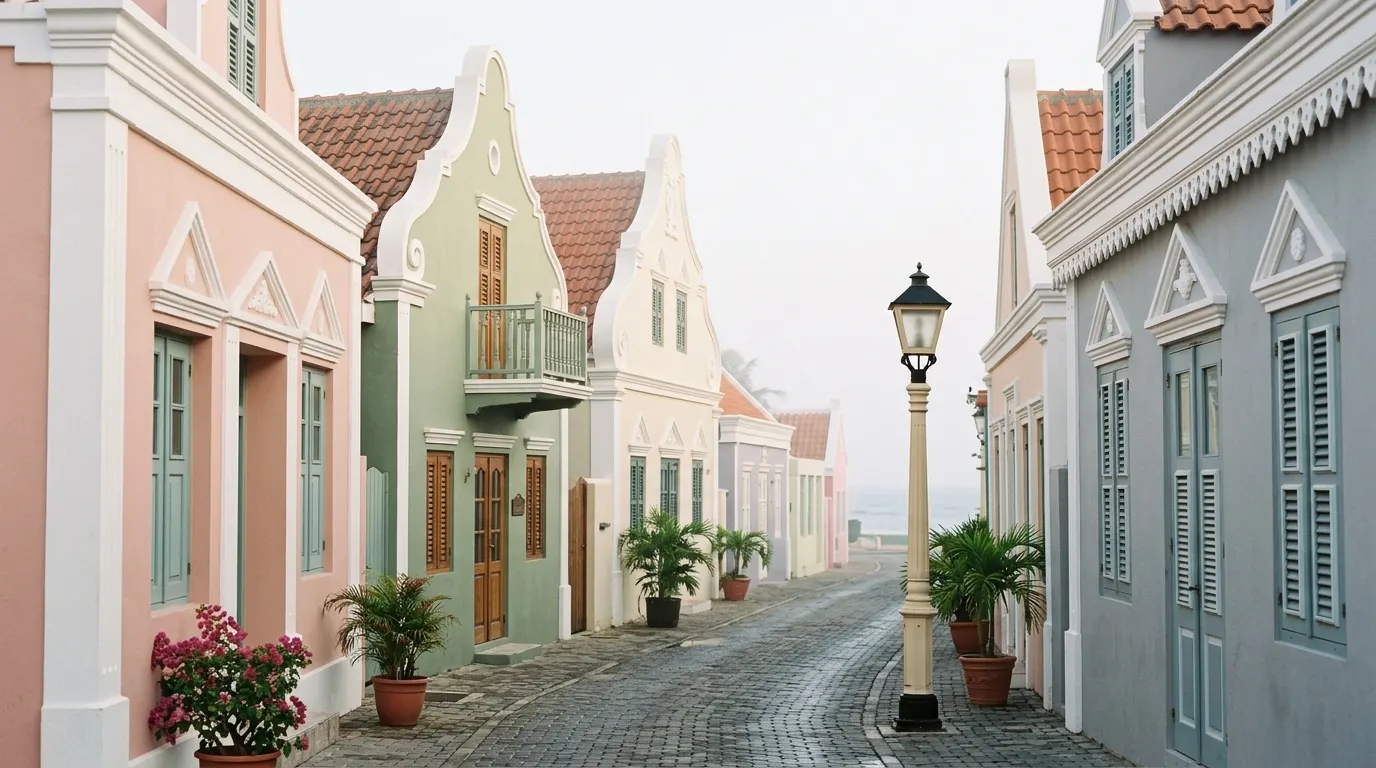
Curaçao is the 'C' in the ABC islands (alongside Aruba and Bonaire) and offers a distinctly European feel blended with Caribbean warmth. Willemstad, the capital, is a UNESCO World Heritage site famous for its brightly colored Dutch colonial buildings along the Handelskade. Walking across the Queen Emma pontoon bridge—which actually floats on the water and swings open to let ships pass—is a thrilling, free activity that kids absolutely love.
Unlike destinations with massive, miles-long beaches, Curaçao is known for "bocas"—small, hidden coves carved into the coral cliffs. Beaches like Grote Knip and Cas Abao offer calm, crystal-clear water that is phenomenal for snorkeling. Because the coral reefs start very close to the shore, even younger kids equipped with a floatation vest and a simple mask can see sea turtles and vibrant fish without needing to swim out into deep water.
Mambo Beach Boulevard is the best spot for an easy, full-service beach day. A man-made breakwater keeps the ocean perfectly flat, and the boardwalk behind the beach is lined with kid-friendly restaurants, smoothie stands, and clean restrooms. Right next door is the Curaçao Sea Aquarium, which uses an open-water system that constantly pumps fresh seawater into the exhibits, making it one of the most natural and engaging aquariums in the region.
Practical Parent Details:
- Stroller Accessibility: Willemstad is highly walkable with a stroller, though some older sidewalks are narrow. For the remote beaches, you will need to park and carry your gear down stairs or rocky paths.
- Costs: The local currency is the Antillean Guilder (ANG or NAf), though USD is accepted. Prices are moderate, generally slightly cheaper than Aruba.
- Getting Around: Renting a car is highly recommended. The island is safe to drive around, and having your own vehicle is the only way to effectively explore the best hidden beaches on the western side of the island on your family's unique schedule.
Read our Curaçao city guide to plan your driving route.
Age-By-Age Guide to the Best Family Cities in Caribbean
When picking among the best family cities in caribbean, the age of your children will dramatically dictate which destination feels like a vacation and which feels like a chore.
Toddlers (2-3 Years)
Top Pick: Aruba or Punta Cana.
At this age, you want zero-entry pools, calm waist-deep ocean water, and easy access to your room for naps. Aruba's Baby Beach is the gold standard for toddler swimming. Alternatively, the massive, stroller-friendly resorts of Punta Cana mean you never have to load a screaming toddler into a taxi; everything you need is within a five-minute walk. Focus on resorts that offer shaded toddler splash pads so you aren't constantly fighting the sun.
Preschoolers (3-5 Years)
Top Pick: Nassau.
Preschoolers have energy to burn but still need highly controlled environments. The water parks in Nassau are perfect for this age group, offering elaborate, shallow-water play structures with small slides that make them feel brave without being dangerous. They will also love the visual spectacle of the pirate museums and large aquariums.
School-Age Kids (6-10 Years)
Top Pick: Curaçao or Montego Bay.
Kids this age are strong enough to swim, snorkel, and handle short hikes. Curaçao is perfect because they can snorkel right off the beach and see sea turtles within minutes. Montego Bay offers the bamboo river rafting and mild cultural excursions that will hold their attention without exhausting them. They are old enough to appreciate the colorful architecture and distinct foods of these islands.
Tweens and Teens (11-14 Years)
Top Pick: Aruba.
Teenagers need autonomy and high-adrenaline activities to stay engaged. Aruba excels here. You can send them out on Eagle Beach to do tubing at the Aruba Watersports Center, or book a family UTV tour with ABC Tours Aruba (UTV Tours) to bounce around the desert terrain. In the evenings, they will enjoy the Caribbean Festival (Carubbian Festival) in San Nicolas, where they can try local street food, listen to steel drum bands, and feel a sense of nightlife that is still entirely family-friendly.
What to Skip: Tourist Traps to Avoid
Not every highly advertised spot in the Caribbean is actually good for families. Based on our experiences in Aruba, here are a few hyped locations that you should absolutely skip when traveling with kids.
- Palm Island (Aruba): This is heavily marketed as an all-inclusive day-trip island. While it does have water park features and unlimited food, the actual shoreline is incredibly rocky and pebbly. Getting into the water requires water shoes, and it is very difficult for little ones to wade or play in the sand without scraping their knees. Stick to Eagle Beach for a much better sand-and-water experience.
- Guadirikiri Cave: Tour guides love to push the caves in Arikok National Park because the natural skylights look great on Instagram. In reality, the cave environment is suffocatingly hot, intensely humid, and often smells strongly of bat guano. Toddlers will be miserable, and older kids usually want to leave after five minutes.
- Papiamento Restaurant: This is a beautiful, historic 100-year-old home that offers a highly refined dining experience. However, it is a formal environment with very slow, paced service. It is incredibly difficult to keep children seated and quiet for the two hours this meal takes. Save this for an adults-only trip.
- Aruba Cruise Terminal Area: Unless you are actually getting on a cruise ship, avoid walking around this immediate zone. It is a high-congestion transit hub filled with aggressive souvenir vendors and heavy bus traffic. It is stressful to navigate with a stroller and offers nothing you cannot find in a more relaxed setting down the street.
Pro Tips from Parents for Caribbean Travel
- Embrace UV Sun Protective Clothing: Do not fight the sunscreen battle every two hours. Buy long-sleeve, UPF 50+ rash guards for the whole family. The Caribbean sun is closer to the equator and much stronger than what you are used to in North America or Europe. You only need to apply sunscreen to faces, hands, and legs, saving you time and tears.
- Strategic Stroller Choices: If you are going to a resort in Punta Cana or staying on the paved paths of Aruba, a lightweight umbrella stroller is fine. If you plan to actually push a stroller on the sand or over the cobblestones of Curaçao, you absolutely need a jogging stroller with large, pneumatic (air-filled) tires. Small plastic wheels will completely lock up in the sand.
- Pack a Dedicated "Beach Go-Bag": Bring a mesh tote bag specifically for beach days. Mesh allows the sand to fall out before you get back to your hotel room. Inside, always keep baby powder (it magically removes sticky sand from wet skin before getting into a car), a small first aid kit with coral-safe antibiotic ointment, and wet bags for damp swimsuits.
- Manage Currency Smartly: While USD is widely accepted across these five islands, your change will almost always be given in the local currency. Try to bring plenty of small USD bills ($1s and $5s) for tipping so you do not end up going home with a pocket full of mixed international coins you cannot exchange.
- Book Transfers and Gear in Advance: Never arrive at a Caribbean airport expecting to easily find a taxi with a safe, modern child car seat. Book private transfers well in advance. Similarly, use local baby gear rental companies (available on all these islands) to rent bulky items like pack-n-plays, high chairs, or large beach toy sets so you do not have to fly with them.
Finding the perfect balance of relaxation and entertainment is the secret to a successful family trip. Whether you choose the reliable, sandy perfection of Aruba, the vibrant cultural beats of Jamaica, or the effortless resort life of the Dominican Republic, these destinations prove that traveling with kids doesn't mean sacrificing your own enjoyment. By choosing the best family cities in caribbean that align with your children's current ages and your own travel style, you can spend less time managing logistics and more time actually making memories in the sun.