Traveling with children means budgeting for four or five appetites, which can quickly consume your entire vacation fund if you aren't strategic. Fortunately, choosing destinations where sharing large portions, grabbing high-quality local food, or utilizing generous day-pass promotions is a cultural norm changes the financial math entirely. When looking for the best family cities in latin america and the neighboring Caribbean islands, you will find that feeding your crew doesn't have to mean compromising on flavor, nutrition, or your budget.
We have learned through years of navigating menus with toddlers and hungry teenagers that the secret to affordable family dining lies in the destination's food culture. In many of these regions, dining is a communal, family-first affair where massive, shareable plates and "kids eat free" resort or beach club models are standard practice. Here are 15 vibrant cities and islands where feeding your children feels like a steal, leaving you more room in the budget for unforgettable experiences.
The Crown Jewel of Caribbean Family Dining & Adventure: Barbados
While technically in the Caribbean, City Guide: /city/barbados pairs perfectly with Latin American itineraries and stands out as a masterclass in value-driven family dining. On this island, the "kids eat free or nearly free" concept thrives in the form of all-inclusive beach club day passes, massive shareable Bajan platters, and interactive food experiences where the meal is built into the activity.
Beach Clubs and Waterfront Bites
Instead of paying a la carte at expensive oceanfront restaurants, savvy parents head to beach clubs where your entry fee functions as a food and beverage credit, essentially feeding your kids for free while you enjoy the amenities.
A prime example is The Boatyard Barbados. This high-energy beach club on the shores of Carlisle Bay—a stunning crescent-shaped marine park featuring crystal-clear, calm waters—offers the best value-for-money day pass in Barbados. You pay an entry fee (around $60 BBD / $30 USD for adults, less for kids), and that entire amount goes toward your lunch bill. Plus, you get free access to their ocean trampolines, rope swings, and beach chairs.
For families wanting a massive playground paired with their meals, Rascal's of Barbados is a high-energy beach club featuring the island's largest inflatable ocean water park. You can order a few large, inexpensive pizzas to share while the kids burn off energy on the floating slides. If you have younger children, Pebbles Beach is widely considered the safest beach for young children in Barbados, offering crystal-clear, lake-like conditions. Right near Pebbles, you can grab legendary fish cutters (sandwiches) from local food trucks for just a few dollars—one sandwich easily feeds two toddlers.
🎟️ Book family tickets & skip-the-line tours →
Interactive Dining and Cultural Experiences
Sometimes the best way to save on food is to make the meal the activity itself. The Weston (Bajan Cooking Class) is a hands-on, intimate culinary experience where families learn the secrets of Bajan staples like flying fish and cou-cou. The cost of the class includes a massive feast at the end, providing incredible value and a built-in lunch.
For a more relaxed morning, the Art Splash Centre is a parent's sanctuary on the south coast featuring a large, gated wooden playground paired with a healthy cafe. You can sip a coffee and share an affordable stack of pancakes while the kids play safely in sight. After breakfast, take a stress-free family stroll on the Richard Haynes Boardwalk, a scenic 1.2km oceanfront path that is stroller-friendly and dotted with cheap local snack vendors.
If you are visiting during the summer, the Crop Over Festival (July-August) is Barbados' premier cultural celebration. While the main parades are loud, the daytime family events offer rows of street food stalls where you can buy heavily portioned macaroni pie and grilled chicken for just a few dollars.
Adventures with Built-In Meals
Booking tours that include high-quality, kid-friendly buffets is another way to stretch your budget. Cool Runnings Catamaran Cruises is a family-focused catamaran excursion that trades the typical Caribbean 'booze cruise' vibe for a highly engaging, kid-friendly day on the water. Their lunch buffet is massive, entirely included in the ticket, and features familiar foods like baked chicken and pasta salad that appeal to picky eaters.
🎟️ Find family-friendly tours & activities →
When exploring inland, you can visit Harrison's Cave Eco-Adventure Park, a massive, 'living' limestone cavern system explored via a comfortable electric tram. Nearby local rum shops and cafes offer hearty local lunches for under $10 USD. Alternatively, head to the Barbados Wildlife Reserve, a lush, 4-acre mahogany forest where animals roam freely among visitors on shaded brick paths.
For history and transport lovers, the St. Nicholas Abbey Heritage Railway offers a beautifully restored steam locomotive journey through mahogany forests, and the Barbados Concorde Experience provides a high-tech tribute to the supersonic era where kids can explore the legendary Concorde G-BOAE. Both attractions have nearby access to incredibly cheap, authentic local bakeries offering meat patties and sweet treats that serve as a lunch substitute for pennies.
If you just want a classic beach day, head to Miami Beach (Enterprise Beach), a beloved local favorite that offers two distinct vibes: a calm, shallow cove perfect for toddlers on one side, and gentle waves for older kids on the other. Local vendors sell cheap, massive portions of fish cakes here that will keep the whole family full until dinner. And for a unique evening activity, the Barbados Sea Turtle Project at Worthing Beach offers a rare opportunity for families to join marine biologists on nighttime beach patrols—pack your own cheap picnic dinner from a local grocery store to eat under the stars.
14 More of the Best Family Cities in Latin America for Budget-Friendly Dining
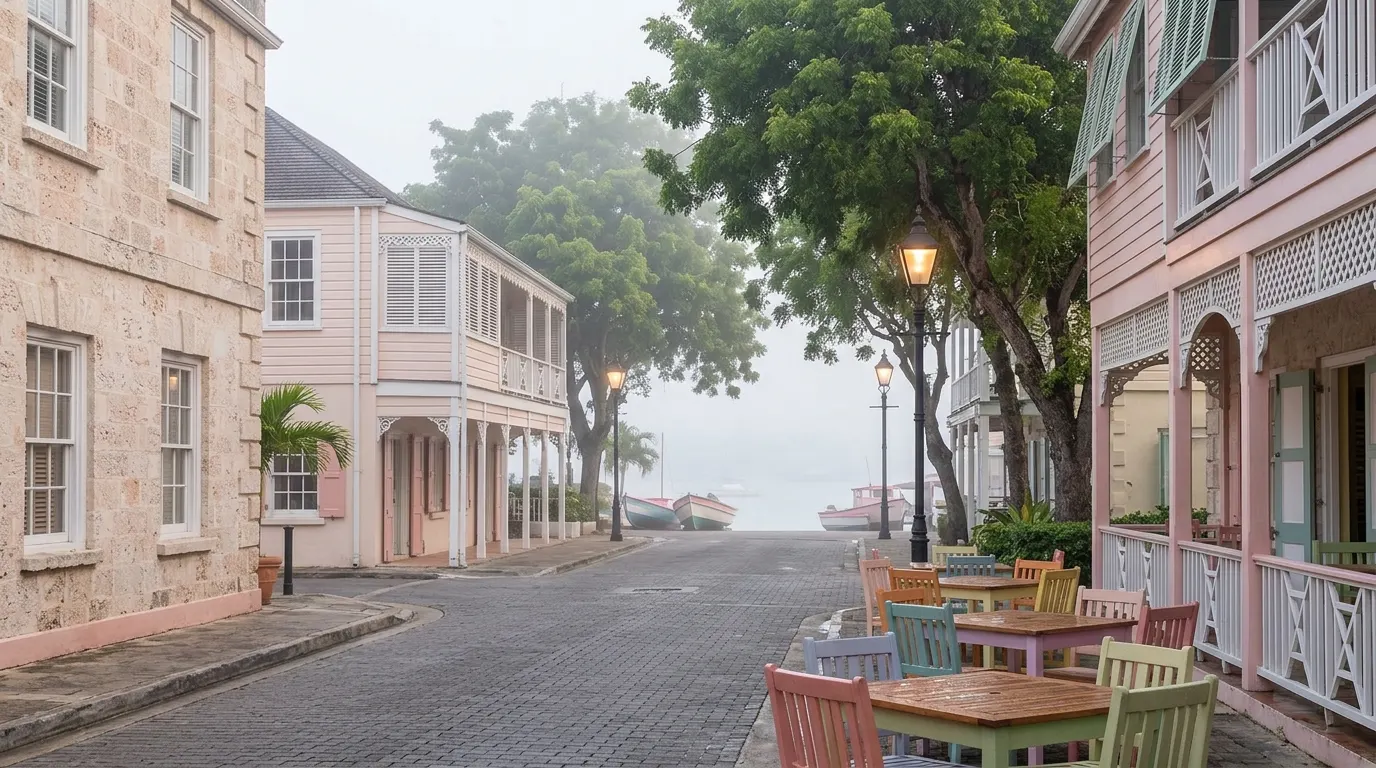
Beyond the Caribbean, the mainland offers incredible value. The best family cities in latin america all share a common trait: food is abundant, portions are huge, and the culture welcomes children at every table.
1. City Guide: /city/buenos-aires, Argentina
In Buenos Aires, dining out with kids is incredibly cheap due to the favorable exchange rate and the culture of pizzerias. A single massive, thick-crust pizza loaded with cheese costs just a few dollars and will easily feed a family of four. Plus, restaurants almost always provide a free, hearty bread basket that keeps toddlers occupied.
2. City Guide: /city/bogot, Colombia
Bogota is famous for Ajiaco, a rich chicken and potato soup served in a bowl the size of a mixing basin. Restaurants always provide extra plates, allowing two or three children to easily share one adult portion of this comforting, mild dish for free.
3. City Guide: /city/medelln, Colombia
The staple dish here is the Bandeja Paisa, a massive platter of beans, rice, plantains, arepas, and various meats. One order (usually around $8 USD) is more than enough to feed an adult and two young children.
4. City Guide: /city/cartagena, Colombia
Cartagena's street food scene is a lifesaver for parents. You can buy freshly made cheese arepas and cups of fresh mango on the street for about $1 USD each. These make for filling, delicious, and nearly free lunches as you explore the walled city.
5. City Guide: /city/lima-cusco, Peru
Peru's famous Pollo a la Brasa (rotisserie chicken) is the ultimate family hack. A whole chicken combo comes with a mountain of thick-cut fries and salad for roughly $12 USD. It is universally loved by kids and feeds a family of four effortlessly.
6. City Guide: /city/rio-de-janeiro, Brazil
Rio masters the comida a quilo (pay-by-weight) restaurant. This is brilliant for children because you only pay for exactly what they put on their plate. A toddler who only wants three slices of cucumber and a scoop of rice will cost you mere cents.
7. City Guide: /city/santiago, Chile
Santiago's fast-food culture revolves around the completo, a massive hot dog loaded with avocado, tomatoes, and mayonnaise. They cost about $2-$3 USD, are incredibly filling, and are a massive hit with school-aged kids and teens.
8. City Guide: /city/quito, Ecuador
In Quito, the almuerzo (set lunch menu) is a cultural institution. For around $3 to $5 USD, you get a fresh soup, a main plate of meat and rice, and a fresh juice. The soup alone is usually enough to fill up a young child.
9. City Guide: /city/panama-city, Panama
Panama City is dotted with fondas, local cafeteria-style eateries where a hearty plate of roasted chicken, rice, and beans costs under $4 USD. It's fast, there's no waiting for a waiter, and kids can point at exactly what they want through the glass.
10. City Guide: /city/montevideo, Uruguay
The Chivito is Uruguay's national sandwich—a towering stack of steak, ham, cheese, eggs, and vegetables. One sandwich cut into quarters is a complete meal for a table of young kids, making it a highly cost-effective lunch.
11. City Guide: /city/bariloche-argentine-lake-district, Argentina
Known as the chocolate capital of South America, you can walk down Mitre Street and collect enough free, high-quality chocolate samples to serve as an impromptu dessert for your kids. For dinner, giant milanesas (breaded meat cutlets) are cheap and highly shareable.
12. City Guide: /city/salento-coffee-region, Colombia
When visiting the coffee region, local trout farms serve massive, fresh fish platters accompanied by giant patacones (fried plantains). The side dishes alone are large enough to serve as a free meal for young children.
13. City Guide: /city/costa-rica, Costa Rica
Dining at local sodas (small, family-run restaurants) offers the casado—a plate of rice, black beans, plantains, salad, and a protein. For about $6 USD, these plates are nutritious, mild in flavor, and easily split between two kids.
14. City Guide: /city/galpagos-islands, Ecuador
While the Galapagos has a reputation for being expensive, the local kioskos (street food stalls) in town centers offer fresh grilled fish and rice plates for a fraction of the cost of sit-down restaurants, providing an affordable way to feed a hungry family after a day of snorkeling.
Age-by-Age Guide to Dining and Traveling in These Regions
Toddlers (Ages 2-3)
At this age, flexibility is everything. The pay-by-weight restaurants in Rio or the cafeteria-style fondas in Panama City are perfect because there is zero wait time for food to arrive. Always pack a reusable bib and wipes, as high chairs are not always standard in smaller local eateries. Stick to mild staples like arepas, rice and beans, and fresh fruit.
Preschoolers (Ages 3-5)
Preschoolers do well in environments where they can move around. Beach clubs in Barbados or open-air sodas in Costa Rica are ideal because a little noise or wandering isn't frowned upon. This is a great age to introduce them to sharing massive plates like Colombian Bandeja Paisa or Peruvian rotisserie chicken, letting them pick and choose the components they like.
School-Age (Ages 6-10)
Kids in this bracket love interactivity. Cooking classes, like the Bajan cooking class in Barbados, keep them engaged and make them much more likely to eat the final product. They are also the perfect age for market tours in cities like Quito or Bogota, where they can handle small amounts of local currency to buy their own cheap fruit or empanadas.
Tweens and Teens (Ages 11-14)
Teenagers have massive appetites, making budget dining crucial. Steer them toward the giant Chivitos in Montevideo or the loaded completos in Santiago. Allow them the independence to walk up to street food stalls or local food trucks to order for themselves; it builds confidence and keeps the food budget strictly in check.
What to Skip: Overhyped Traps
While we love Barbados, not every popular spot is family-friendly or budget-conscious. Here are a few places you should absolutely skip to save your money and your sanity:
- Tapas Restaurant at Sandy Lane: With a price tag often exceeding $100 per person and a formal atmosphere that demands long pants for boys, this is a stressful and incredibly expensive environment for kids.
- Barbados Ocean Park: While often marketed as a premier attraction, the experience is frequently described as underwhelming and overpriced compared to simply snorkeling for free at Carlisle Bay.
- St. James Parish Church: As the oldest church in Barbados, this is a site of significant historical and spiritual importance, but it requires quiet, respectful behavior that is very difficult to enforce with active toddlers.
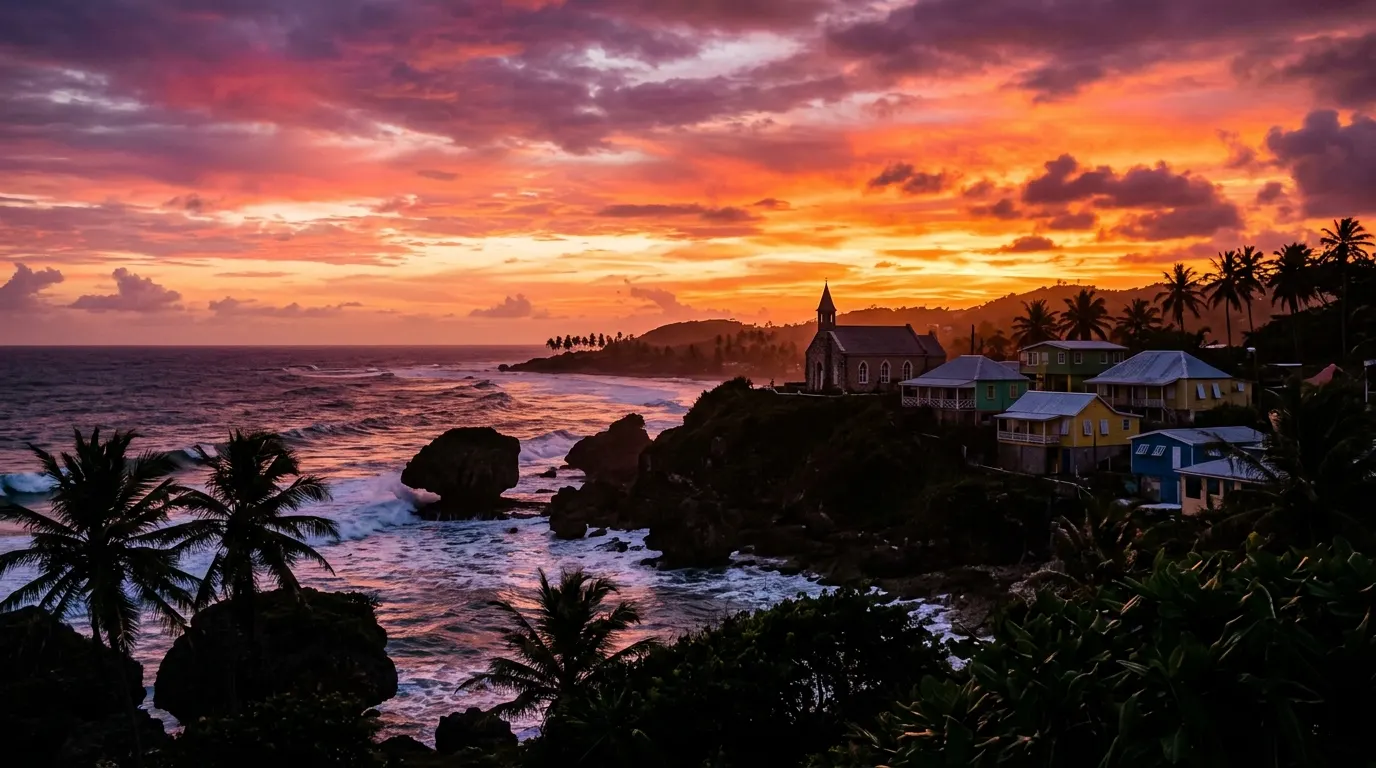
- Bathsheba Beach: While it is arguably the most stunning coastline in Barbados, the Atlantic currents and powerful undertows make it completely unsafe for children to swim.
- Nikki Beach Barbados (at Port Ferdinand): This is a high-octane adult party destination where champagne magnums, fireworks, and loud DJ sets take priority over family relaxation.
- Bottom Bay: While it is arguably the most beautiful beach on the island, it is functionally useless for families as there are no facilities, no food vendors, and the water is too rough for swimming.
- Foursquare Rum Distillery & Heritage Park: While the grounds are beautiful and entry is free, this is a working industrial distillery where the primary activity is rum tasting—boring for kids and stressful for parents trying to keep them out of the way.
- The Cliff Restaurant: This is one of the most expensive and formal dining experiences in the Caribbean, featuring a strict dress code and an atmosphere where children are tolerated rather than welcomed.
Pro Tips from Parents for Eating and Exploring
- Skip the Airport Lines: Grantley Adams International (BGI) can have long, humid immigration lines that are tough on children. Booking a fast-track service ahead of time is worth every single penny to bypass the queues.
- Plan Around Sundays: The capital city virtually shuts down on Sundays. Most shops on Broad Street and the Cheapside Market will be closed, leaving you scrambling for food if you haven't planned ahead. Buy groceries on Saturday.
- Oistins Fish Fry Reality Check: While the atmosphere is iconic, the crowds become shoulder-to-shoulder and the smoke from the grills can be overwhelming for young kids. Go right at 5:30 PM before the massive crowds arrive, eat early, and leave before it turns into a party.
- Sunset Strolls: Visit the Richard Haynes Boardwalk around sunset. Not only is it stroller-friendly and safe from traffic, but you can often grab cheap local snacks and watch sea turtles popping their heads up in the water.
- Beware the Trees: On West Coast beaches, look for trees with small green 'apples' and red bands painted on the trunks. These are highly toxic Manchineel trees. Do not seek shade under them or let your kids touch the fruit.
- Take the Right Bus: For public transport, choose the large blue government buses. Unlike the white-and-yellow 'ZR' vans, which are often crowded, loud, and driven erratically, the blue buses are spacious and much safer for families.
- Skip the Cave Pools: While the Animal Flower Cave is stunning, the natural rock pools inside are incredibly slippery and the waves can surge unpredictably. It's too dangerous for young children to swim in.
- Timing the Wildlife: At the Wildlife Reserve, the animals roam free and can be hard to spot in the morning. Arrive just before the 2:00 PM feeding time when dozens of monkeys, tortoises, and brocket deer congregate in one area.
Wrapping Up Your Culinary Adventure
Feeding a family on vacation should be a joyful exploration of culture, not a source of daily financial anxiety. By leaning into local traditions—whether that means utilizing generous beach club day passes in the Caribbean, sharing massive menu del dia lunches, or grazing on high-quality street food—you can keep your crew full and happy. The best family cities in latin america and the nearby islands are inherently designed to welcome children to the table. Embrace the shareable plates, let your kids try new flavors without the pressure of a $20 kid's menu price tag, and enjoy the incredible memories you will make breaking bread together across these beautiful destinations.