Planning an international trip with kids in tow can feel daunting, but choosing the right destination changes everything. The secret to a successful overseas adventure is finding destinations that balance rich culture for adults with engaging, tactile experiences for younger travelers. You want walkable streets, reliable public transit, interactive museums, and a local culture that genuinely welcomes children at the dinner table rather than treating them as an inconvenience.
If you are hunting for the best family cities in Europe, you need places that offer more than just beautiful architecture. You need wide-open parks where toddlers can burn off steam, fascinating historical sites that capture the imagination of hard-to-impress teens, and practical infrastructure that makes navigating with a stroller manageable.
From the sun-drenched coastlines of Portugal to the storybook canals of the north, we have rounded up destinations that offer incredible family experiences. Here is a curated guide to the best family cities in Europe, packed with practical tips, age-specific advice, and exactly what you should skip.
Top 15 Best Family Cities in Europe for Your Next Adventure
While some of these are technically regions rather than single cities, they offer the dense, culturally rich, and highly accessible experiences that families look for in a European getaway.
1. The Algarve, Portugal (Coastal Cities & Towns)
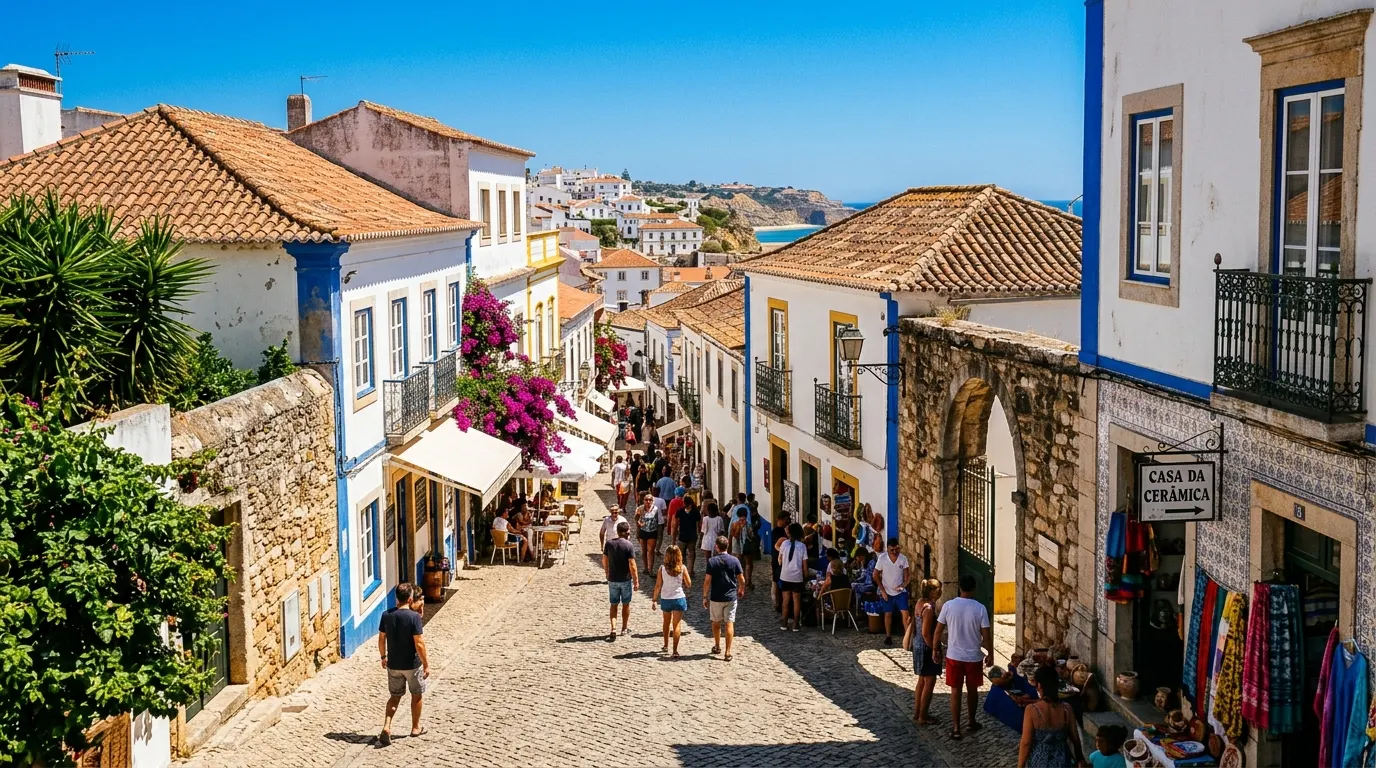
While technically a region spanning southern Portugal, the Algarve operates like a network of incredibly family-friendly coastal towns. It is a haven of golden shores, dramatic cliffs, and whitewashed villages. Start your exploration in Lagos Old Town (Centro Histórico de Lagos), a pedestrian-friendly maze of cobblestone streets perfect for wandering with ice cream in hand.
For a true bucket-list experience, take a boat or kayak tour to the Benagil Sea Cave. It is a breathtaking natural cathedral with a massive skylight 'eye' and a hidden beach. Keep in mind that strollers are entirely useless here, so bring a baby carrier for infants. Afterward, head to Praia da Marinha, widely considered one of the most beautiful beaches in the world, featuring golden sand and calm, clear waters that are perfect for younger swimmers.
🎟️ Book family tickets & skip-the-line tours →
If your kids need a break from the beach, Zoomarine Algarve is Portugal's premier family attraction. It is a massive hybrid of a marine life park, water park, and traditional amusement park. Tickets run about €35 (~$38 USD) per person, and it is worth dedicating a full day here. Older kids might love the Dolphin Emotions at Zoomarine program, a premium, highly structured dolphin interaction. For dinner, head to Restaurante A Vela (Ferragudo), a charming, family-run waterfront gem where the owner, Antonia, treats visiting kids like her own.
2. Amsterdam, Netherlands
Famous for its canals and bicycles, Amsterdam is an incredibly visually stimulating city for kids. Renting a cargo bike (bakfiets) to haul toddlers around Vondelpark is a core memory waiting to happen. The NEMO Science Museum, housed in a giant green building shaped like a ship, offers five floors of hands-on exhibits that will keep kids aged 4 to 14 occupied for hours. The city is flat, making stroller navigation a breeze, though you do need to keep a close eye on wandering toddlers near the unfenced canals.
3. Athens, Greece
Greek mythology is a major hit with school-aged kids, making Athens feel like a giant, real-life storybook. Visiting the Acropolis early in the morning (aim for 8:00 AM opening to beat both the crowds and the midday heat) allows kids to see where the gods and heroes "lived." The Acropolis Museum is highly stroller accessible, featuring glass floors looking down into ancient ruins. Greek dining culture is also incredibly relaxed; tavernas welcome families late into the evening, and a dinner of souvlaki and tzatziki usually costs under €40 (~$43 USD) for a family of four.
4. Barcelona, Spain
Barcelona blends vibrant city life with wide, sandy beaches. Antoni Gaudí’s architecture, especially Park Güell and the Sagrada Família, looks like something out of a Dr. Seuss book, instantly capturing children's imaginations. The city’s Gothic Quarter is mostly pedestrian-only, which takes the stress out of walking with younger kids. Spanish dining times are notoriously late (dinner often starts at 8:30 PM), so embrace the afternoon siesta and indulge in early evening tapas to bridge the gap.
5. Bergen, Norway
Known as the gateway to the fjords, Bergen is perfect for outdoorsy families. Take the Fløibanen funicular (about 160 NOK / ~$15 USD round trip) up Mount Fløyen. At the top, you will find fantastic playgrounds, a Troll Forest, and easy, stroller-friendly hiking trails with sweeping views of the city below. The Bryggen harbor area, with its colorful wooden houses, is entirely walkable and packed with maritime history.
6. Berlin, Germany
Berlin is surprisingly one of the most family-friendly capitals in Europe. The city boasts massive green spaces like the Tiergarten and some of the best, most inventive playgrounds (Spielplätze) in the world. The public transit system (U-Bahn and S-Bahn) is heavily equipped with elevators, making it a dream for stroller-wielding parents. The Museum of Natural History (Museum für Naturkunde) houses the world's largest mounted dinosaur skeleton, a guaranteed hit for the preschool and elementary crowd.
7. Bordeaux, France
While adults flock to Bordeaux for the wine, kids will love the wide, flat, pedestrian-friendly streets and the famous Miroir d'Eau. This massive reflecting pool on the riverfront alternates between a shallow mirror of water and a dense, magical fog—kids are encouraged to run through it, so pack a change of clothes! Many surrounding wine chateaus have adapted to visiting families, offering grape juice tastings and wide lawns for kids to run on while parents sample the local vintages.
8. Brno, Czech Republic
If Prague feels too crowded, head to Brno. It offers all the Czech charm with a fraction of the tourists. Older kids and teens will be fascinated by the Brno Ossuary (the second-largest catacombs in Europe) and the 10-Z Bunker, a fallout shelter turned museum. The city center is compact, walkable, and packed with excellent, inexpensive cafes where a hearty traditional meal will set you back less than 300 CZK (~$13 USD) per person.
9. Brussels & Bruges, Belgium
Pairing Brussels & Bruges gives you the perfect mix of city energy and medieval charm. In Brussels, the Comic Art Museum and the Belgian Chocolate Village offer sweet, engaging indoor activities. Taking the short train ride to Bruges feels like stepping into a fairy tale. The canal boat tours in Bruges are short enough (usually 30 minutes) to keep a toddler's attention, and you are never more than a five-minute walk from a waffle stand.
10. Budapest, Hungary
Budapest is grand, affordable, and highly engaging. Taking the historic Buda Castle Hill Funicular is an attraction in itself. Families love the thermal baths; while Széchenyi is the most famous, the Palatinus Baths on Margaret Island feature wave pools and water slides that are specifically geared toward children. Margaret Island itself is a massive, car-free park in the middle of the Danube river, perfect for renting pedal-carts.
11. Chamonix-Mont-Blanc, France
For families who crave mountain air, Chamonix-Mont-Blanc is spectacular year-round. In the summer, you can take the Aiguille du Midi cable car for jaw-dropping views of the Alps, or ride the Montenvers rack railway to the Mer de Glace glacier. The Chamonix Amusement Park features an alpine coaster (luge) that allows you to control your own speed down the mountain—a massive hit for kids ages 6 and up.
12. Cinque Terre, Italy
The five villages of Cinque Terre are visually stunning, though parents should note: this is a baby carrier destination, not a stroller destination, due to the steep stairs. Hopping between the colorful coastal villages on the local train takes only minutes and is thrilling for kids. Grab cones of fried seafood or fresh pesto focaccia to eat by the harbors.
13. Colmar (Alsace), France
Colmar looks exactly like the town from Disney's Beauty and the Beast. Its half-timbered houses and flower-lined canals are mesmerizing. Take a flat-bottomed boat ride through "Little Venice," which is wonderfully peaceful. The town is small, flat, and very easy to navigate with young children, making it an ideal, low-stress European stop.
14. Copenhagen, Denmark
Copenhagen was practically designed for families. Tivoli Gardens, located right in the city center, is an enchanting historic amusement park that feels elegant rather than overwhelming. The city’s infrastructure prioritizes pedestrians and bicycles, making it incredibly safe. Don't miss the National Museum of Denmark, which features a dedicated Children's Museum where kids can touch and play with historical replicas.
15. Cornwall, England
Though a county rather than a city, Cornwall offers the ultimate UK coastal family break. Kids can explore the ruins of Tintagel Castle (linked to the legend of King Arthur) or spend hours rock-pooling on the rugged beaches. The Eden Project, featuring massive biomes housing indoor rainforests, provides an incredible, weather-proof educational day out that usually takes about 4-5 hours to fully explore.
🎟️ Find family-friendly tours & activities →
Age-by-Age Guide to the Best Family Cities in Europe
Adapting your itinerary to your children's developmental stages is crucial for keeping everyone happy on a European trip.
Toddlers (Ages 2-3)
For this age group, prioritize cities with massive, accessible parks and pedestrian zones. Berlin and Amsterdam are top tier because you can walk or bike for miles without worrying about car traffic. Keep museum visits under an hour. Build your day around their nap schedule—many parents find that a midday return to the hotel for a nap aligns perfectly with the European tradition of afternoon shop closures.
Preschoolers (Ages 3-5)
Preschoolers thrive on tactile experiences and simple narratives. Castles, boat rides, and funiculars are massive hits. Bruges, with its short canal boats, and Colmar, with its storybook architecture, are perfect. At this age, you can start introducing them to easy, flat nature walks, like those found around the lakes in Chamonix. Always know where your nearest public toilet is, and carry a few 50-cent coins, as many European public restrooms require a small fee.
School-Age (Ages 6-10)
This is the golden age for European travel. School-aged kids have the stamina for walking and the cognitive ability to grasp history. Athens is a standout here, as kids can connect the ruins to the Greek myths they read about in school. The interactive science museums in Amsterdam (NEMO) and the massive outdoor parks in Barcelona (Park Güell) will keep them highly engaged.
Tweens and Teens (Ages 11-14)
Teens want autonomy and unique, "Instagrammable" experiences. They will appreciate the slightly edgy, historical vibe of the Brno underground or the bustling food markets of Barcelona. In the Algarve, older kids will love the Ponta da Piedade headland, where they can take a kayak tour through natural arches and hidden grottos. You can also easily book a Day Trip to Seville (Spain) to show them the awe-inspiring Seville Cathedral (Catedral de Santa María de la Sede), which houses Christopher Columbus’ tomb.
What to Skip When Traveling Europe with Kids (Algarve Edition & Beyond)
Not every popular tourist attraction is worth your time or money when you have kids in tow. Using the Algarve as a prime example, here are types of attractions to absolutely skip across Europe:
- Dangerous or Outdated Water Parks: Skip the Aqualand Banzai Slide in the Algarve. It is notorious for its jarring impact at the bottom, which frequently causes back pain. When visiting European water parks, always check recent reviews for safety standards, as they can vary wildly from what you might be used to at home.
- "Sunset" or Party Cruises: Avoid the Cais do Sodré-style party cruises (Albufeira 'Sunset Party Boat' operators). These are designed for a high-energy adult nightlife atmosphere, featuring loud music and open bars. Always explicitly search for "family-friendly wildlife cruises" instead.
- Overpriced, Low-Reward Adventure Sports: Skip Albufeira Marina Parasailing (various operators). The hassle-to-fun ratio is poor for families: you will pay a premium (often €40-60 per person) for a very short flight, and younger kids often get scared once up in the air.
- Inaccessible Beaches and Sites: Skip Praia do Barranco do Martinho. Access requires a steep, narrow, and potentially dangerous cliffside scramble that is entirely unsuitable for children. Always check the accessibility of natural landmarks before setting out. Instead, opt for wide, accessible spots like Praia do Ancão or the stunning 6km stretch of Praia da Falésia.
- Boring, Static Museums: Skip places like the Museu do Traje de São Brás de Alportel (Costume Museum). It is a quiet, traditional museum focused on regional ethnography with zero interactive elements for children. Stick to science, natural history, or dedicated children's museums.
Pro Tips from Parents for European City Breaks
- Rethink Your Stroller: European cobblestones will destroy a cheap umbrella stroller, but a massive jogging stroller won't fit through the doors of historic cafes. Bring a high-quality, lightweight travel stroller with good suspension, and always pack a soft baby carrier for places with stairs (like the Paris Metro or Cinque Terre).
- Adjust Your Dining Expectations: In Southern Europe (Spain, Italy, Portugal, Greece), restaurants often don't open for dinner until 7:00 PM or 8:00 PM. Shift your kids' schedules slightly, embrace late afternoon gelato or tapas to tide them over, and enjoy the fact that European restaurants are incredibly tolerant of children dining late.
- Book Skip-the-Line Tickets: Waiting in a two-hour line in the summer sun is a guaranteed way to trigger a meltdown. Always book timed, skip-the-line entry for major attractions (like the Acropolis or the Sagrada Família) weeks in advance.
- Embrace the Grocery Store: European grocery stores are cultural experiences in themselves. Hit the local market to grab fresh bread, local cheese, and fruit. Having a picnic in a city plaza is cheaper, faster, and often much more relaxing for active kids than sitting in a formal restaurant for lunch.
Wrapping Up Your European Family Adventure
Taking your children across the globe is a significant investment of time, money, and energy, but the payoff is immense. Watching your kids taste real Belgian chocolate for the first time, navigate a new subway system, or marvel at ancient ruins expands their worldview in ways a textbook never could. By prioritizing destinations with the right mix of infrastructure, engaging attractions, and welcoming cultures, you set yourself up for a trip filled with wonder rather than stress. Start with any of these best family cities in Europe, pack your walking shoes and your patience, and get ready to make some incredible family memories.