Traveling across the Atlantic—or taking a short-haul flight across the continent—with children requires a fundamental shift in how you plan an itinerary. The days of wandering aimlessly through museums for six hours or eating dinner at 9:00 PM are replaced by strategic playground stops, early restaurant reservations, and finding activities that genuinely engage a seven-year-old just as much as an adult. Choosing the right destination is half the battle, which is why identifying the best family cities in Europe is crucial for a successful trip.
The ideal destinations offer a delicate balance: robust public transportation to save little legs, widespread stroller accessibility, engaging interactive attractions, and most importantly, a cultural attitude that welcomes children rather than merely tolerating them. We have evaluated destinations across the continent to find places where families can thrive, combining world-class culture with everyday practicalities that make traveling with toddlers to teens manageable and memorable.
What Defines the Best Family Cities in Europe?
When narrowing down the best family cities in Europe, we look far beyond a simple list of children's museums. A truly family-oriented European destination integrates children into the daily rhythm of the city. We prioritize locations with expansive pedestrian zones that allow kids to walk safely without the constant threat of traffic. We look for reliable, easy-to-navigate transit systems—because dragging a tired preschooler up four flights of metro stairs at the end of the day is a logistical nightmare.
Food accessibility is another major factor. Cities that offer quick, high-quality casual dining, vibrant food markets, or early dinner service times score significantly higher for families. Finally, we consider access to nature. The ability to break up a day of intense sightseeing with a run through a massive urban park, a quick dip at a local beach, or a boat ride transforms a stressful travel day into a balanced, enjoyable experience for everyone.
Our 15 Top European Destinations for Families
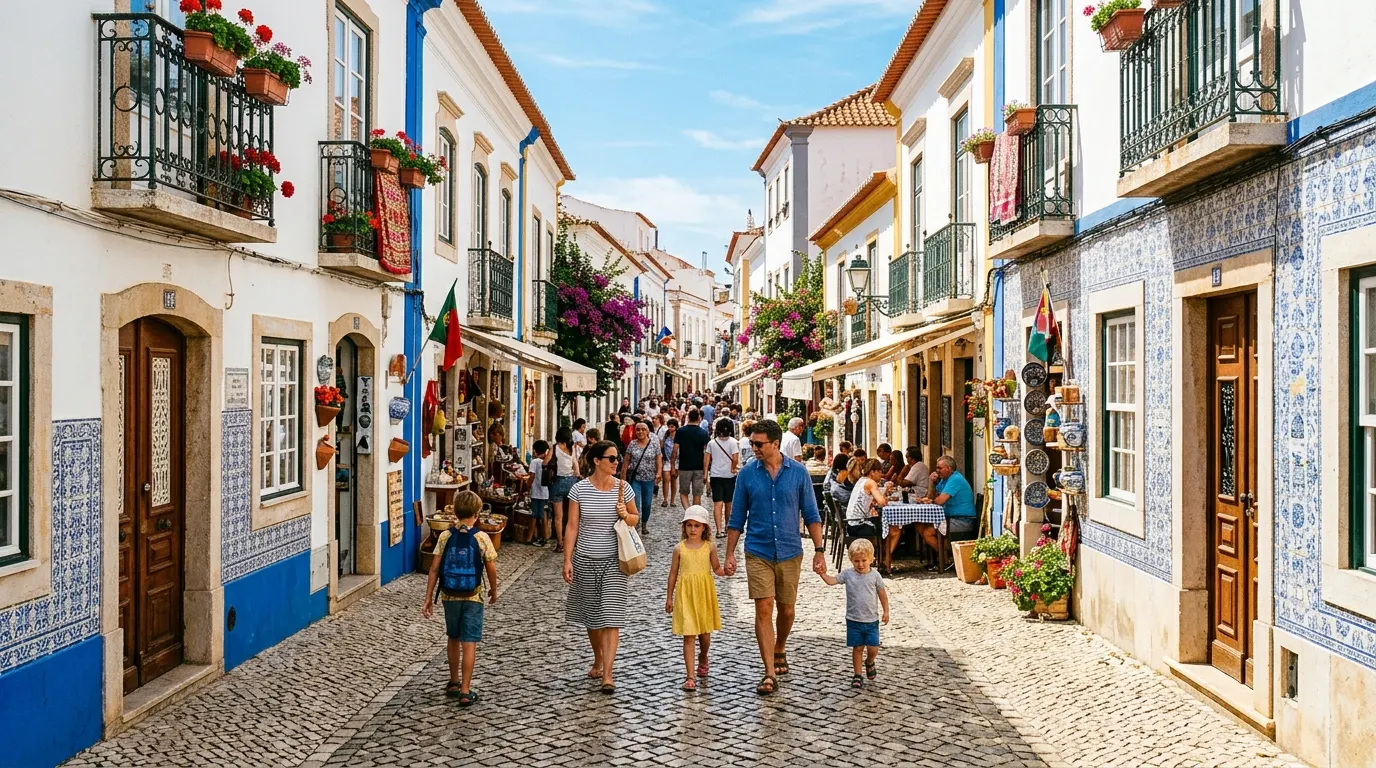
1. The Algarve, Portugal (Region/Coastal Hub)
While technically a region rather than a single city, the Algarve operates as an interconnected coastal playground that stands out as one of Europe’s premier family destinations. It offers an unbeatable combination of dramatic nature, safe beaches, and highly structured family attractions.
Base your family near Lagos Old Town (Centro Histórico de Lagos), a charming, pedestrian-friendly maze of whitewashed buildings where toddlers can walk safely and parents can navigate strollers with ease over the cobblestones. The beaches here are unmatched. Praia da Falésia provides a stunning 6km stretch of golden sand backed by ochre cliffs, offering incredibly safe, shallow waters perfect for early swimmers (parking fills up by 10:00 AM, so arrive early). For a more secluded feel, the pine-fringed Praia Verde in the Eastern Algarve feels like a nature reserve, while the ruggedly beautiful Praia do Evaristo is fantastic for older kids who want to explore dramatic rock formations and natural tide pools. Do not miss Praia da Marinha, widely considered one of the most beautiful beaches in the world.
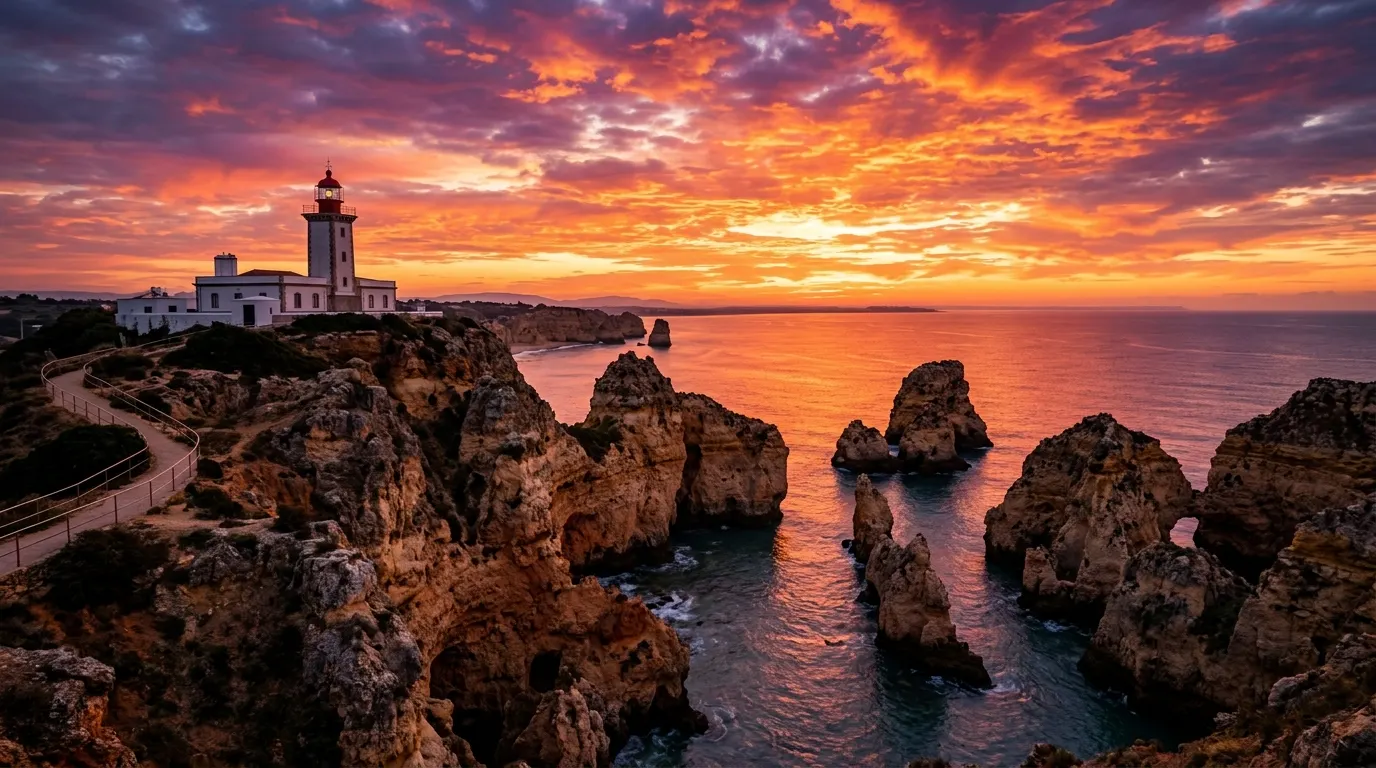
For active families, a Kayak Tour to Ponta da Piedade (from Lagos) is an incredible way to paddle through golden sea caves and rock arches. Older kids will also love Dolphin Watching with Dream Wave Algarve (Vilamoura), a high-speed marine adventure combining a jet boat thrill with marine biology. If you want a full day of entertainment, Zoomarine Algarve is Portugal's premier family attraction—a massive hybrid marine and water park (tickets run about €35 for adults, €25 for kids). Inside, you can book Dolphin Emotions at Zoomarine for a highly structured interaction program.
If you want to add a dash of international flair, book a Day Trip to Seville (Spain) to see the Moorish Alcázar and the massive Seville Cathedral (Catedral de Santa María de la Sede) where Christopher Columbus is entombed.
🎟️ Book family tickets & skip-the-line tours →
2. Copenhagen, Denmark
Consistently ranking high for livability, Copenhagen translates perfectly into a phenomenal family vacation spot. The city is famously flat and built for bicycles, meaning the sidewalks are wide, ramps are ubiquitous, and pushing a stroller is completely frictionless. Tivoli Gardens, located right in the city center, is a magical amusement park that feels elegant rather than overwhelming, with rides suitable for both toddlers and thrill-seeking teens. The transit system is spotless, and nearly every museum has a dedicated children's wing.
3. Amsterdam, Netherlands
Beyond its nightlife reputation, Amsterdam is brilliantly designed for children. The massive Vondelpark serves as the city's backyard, featuring incredible playgrounds with wooden climbing structures and sand and water play areas. The NEMO Science Museum, housed in a building shaped like a ship rising from the water, offers five floors of hands-on experiments. Renting a cargo bike (bakfiets) allows you to transport younger kids around the city exactly like the locals do, turning transportation into an activity itself.
4. Barcelona, Spain
Barcelona brings vibrant architecture, Mediterranean beaches, and a deeply family-centric culture together in one place. Antoni Gaudí’s Park Güell feels like a life-sized gingerbread village that captivates younger travelers, while the city's wide promenades, like the pedestrian-heavy areas of the Gothic Quarter, offer endless safe wandering. While Spanish dining times are notoriously late for North American kids, the sheer abundance of tapas bars means you can easily piece together a hearty, kid-friendly meal of bread, cheese, and potatoes at 6:00 PM.
🎟️ Find family-friendly tours & activities →
5. Berlin, Germany
For families who appreciate space, Berlin is unmatched. The city's layout is sprawling, with exceptionally wide sidewalks and massive green spaces like the Tiergarten offering plenty of room for kids to run off energy. Berlin is incredibly budget-friendly compared to London or Paris, and the public transportation (U-Bahn and S-Bahn) is highly efficient. The city also boasts incredible interactive history museums and unique playgrounds, many featuring elaborate timber climbing structures and water pumps.
6. Bergen, Norway
Known as the gateway to the fjords, Bergen is the perfect city for families who want a mix of urban convenience and dramatic nature. The city center is compact and walkable. Taking the Fløibanen funicular up Mount Fløyen provides instant access to sweeping views, friendly roaming goats, and miles of well-marked, stroller-friendly hiking trails through the "Troll Forest." The air is incredibly fresh, and the safety level is so high that older kids can easily earn some independence.
7. Bordeaux, France
Often overlooked for Paris, Bordeaux is a phenomenal alternative for families seeking French culture without the overwhelming crowds. The city is largely flat and highly pedestrianized. The absolute highlight for kids is the Miroir d'Eau, the world's largest reflecting pool, which cycles through phases of shallow water and cooling mist—perfect for splashing on a warm afternoon. Exceptional bakeries on every corner provide the easiest, most universally loved travel snacks: fresh croissants and baguettes.
8. Athens, Greece
Bringing ancient history to life is effortless in Athens. School-aged kids who have studied Greek mythology will be completely captivated by walking up to the Acropolis. To beat the intense summer heat and the crowds, plan your major historical visits right at the 8:00 AM opening time. The pedestrian promenade surrounding the major archaeological sites allows for safe, scenic walking, and the local tavernas are incredibly welcoming to noisy, messy children, often bringing out complimentary sweets at the end of a meal.
9. Budapest, Hungary
Straddling the Danube River, Budapest offers a fairytale aesthetic with practical family amenities. Margaret Island (Margitsziget) sits right in the middle of the river and is entirely car-free, featuring musical fountains, a small zoo, and sprawling parks. For older kids and teens, visiting the thermal baths (like Széchenyi) feels like swimming in a grand palace. The city's tram lines, particularly Tram 2 running along the river, offer a cheap and scenic way to rest tired legs while still seeing the sights.
10. Brussels & Bruges, Belgium
Pairing the capital with a medieval gem makes for an ideal itinerary. In Brussels & Bruges, chocolate and waffles are practically their own food groups—an easy win for younger travelers. Brussels features a brilliant Comic Book Route, where massive murals of Tintin and the Smurfs turn a city walk into a scavenger hunt. An hour away, Bruges offers gentle canal boat rides and a compact, walkable center that feels like stepping into a storybook, with car-free cobbled streets perfect for wandering.
11. Colmar, France
Located in the Alsace region, Colmar is famous for its colorful, half-timbered houses and flower-lined canals. It is a highly walkable, very safe destination that feels magical to preschoolers and young kids. The "Little Venice" area is stunning, and taking a short, flat-bottomed boat ride through the canals provides a relaxing perspective of the city. It is small enough that you will not feel rushed to check off dozens of major tourist sites, allowing for a relaxed, slow-paced family trip.
12. Chamonix-Mont-Blanc, France
For mountain-loving families, Chamonix-Mont-Blanc transitions beautifully from a hardcore winter sports hub to a highly accessible summer family destination. The infrastructure is built to move people up mountains effortlessly. Taking the Aiguille du Midi cable car offers jaw-dropping alpine views with zero hiking required (best for kids over 3 due to altitude). The town itself has excellent parks, alpine coasters, and easy valley walks that accommodate heavy-duty strollers.
13. Český Krumlov, Czech Republic
A miniature, highly preserved medieval town, Český Krumlov is enclosed by a horseshoe bend in the Vltava River. The town is small enough to explore entirely on foot over a day or two. Kids are usually thrilled by the moat surrounding the massive castle, which is famously inhabited by bears. Renting a raft or a canoe to float gently down the river offers a fun, active way to see the town's stunning architecture from the water.
14. Brno, Czech Republic
While Prague gets the bulk of the tourism, Brno is a hidden gem for families looking for Czech culture without the shoulder-to-shoulder crowds on the Charles Bridge. The city has a relaxed, youthful vibe. Kids will love exploring the eerie underground labyrinth of passages beneath the Cabbage Market. Brno is also home to VIDA! Science Centre, an exceptional interactive museum where kids can easily spend half a day launching rockets and learning through hands-on play.
15. Cinque Terre, Italy
While the Cinque Terre requires some physical stamina (ditch the stroller and bring a high-quality soft carrier for babies and toddlers), the five colorful cliffside villages are an incredible destination for active families. The local trains connect the villages in minutes, making it easy to hop between towns for gelato, pesto pasta, and quick dips in the Mediterranean. Older kids will enjoy the rugged, scenic hikes between the towns, ending each trek with a well-deserved slice of focaccia.
Age-By-Age Guide to the Best Family Cities in Europe
Toddlers (Ages 2-3)
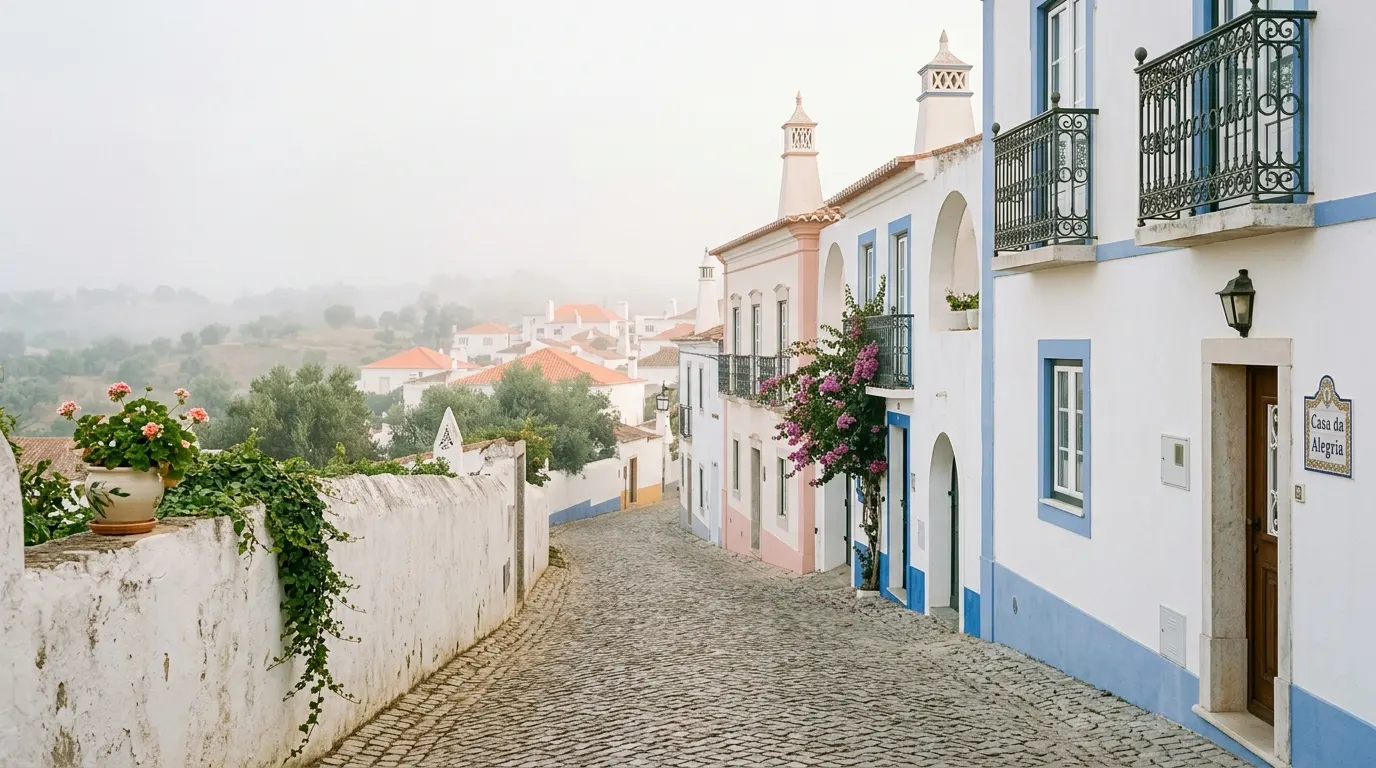
For the toddler crowd, prioritize destinations with flat terrain, wide sidewalks, and massive green spaces. Cities like Berlin, Amsterdam, and Bordeaux are excellent because they allow for easy stroller navigation and offer constant opportunities to stop at a playground. Focus on cities where the primary activity is simply walking, snacking, and looking at boats or trains.
Preschoolers (Ages 3-5)
Preschoolers are driven by imagination. They will thrive in visually distinct, "storybook" environments like Colmar, Bruges, or Český Krumlov. In the Algarve, this age group will absolutely lose their minds for the Leaozinho Pirate Ship (Vilamoura Marina), a 2.5-hour coastal cruise on a replica pirate ship featuring a live pirate show and treasure hunt.
School-Age (Ages 6-10)
This is the golden age for interactive travel. These kids have the stamina for longer days and can engage with history if it is presented well. Athens is spectacular for this age group, as are the interactive science museums in Brno and Amsterdam. In coastal regions, they have the coordination to fully enjoy activities like the Benagil Sea Cave (which is a breathtaking natural cathedral with a massive skylight, accessible only by boat or kayak).
Tweens & Teens (Ages 11-14)
Teens need a degree of independence and a high "cool" factor. Barcelona’s vibrant street life and late-night culture appeal strongly to this group. They also appreciate physical challenges and unique experiences, making the dramatic hikes of the Cinque Terre or the alpine heights of Chamonix perfect. In the Algarve, taking them to Ponta da Piedade to explore the hidden grottos, or letting them navigate the massive slides at local water parks, keeps them engaged and off their phones.
What to Skip on Your European Family Vacation
Not every heavily marketed activity is actually suitable for families. When planning, it is vital to recognize logistical traps that will drain your wallet and your patience. Using the Algarve as a prime example, here are several experiences you should cross off your list:
- Albufeira Marina Parasailing (various operators): The hassle-to-fun ratio here is incredibly poor for families. You will pay a premium (often €40-60 per person) for a vast amount of waiting around on a hot boat, only to get about 8 to 10 minutes in the air.
- Praia de Benagil (The Beach): While the nearby cave is stunning, the beach itself is not a place to relax with kids. It is a high-traffic transit hub for motorboats and kayaks, smelling of diesel fumes. Furthermore, Benagil Cave Swimming Access is highly dangerous due to powerful Atlantic currents and heavy boat traffic; never attempt to swim there with children.
- Albufeira Tourist Train: It looks like a fun novelty for a toddler, but this "train" is actually a tractor-pulled carriage that gets stuck in standard automotive traffic, exposing your family to exhaust fumes while moving at a glacial pace.
- Museu de Cera dos Descobrimentos (Lagos Wax Museum): This is a very small, overpriced attraction where the wax figures are of mediocre quality. Your money is much better spent on real-world experiences or a great local meal.
- The Big One (Albufeira Strip Nightclub) & Cais do Sodré-style party cruises: Avoid the Albufeira 'Strip' and sunset party boats entirely. These areas and activities are dominated by rowdy stag and hen parties, featuring high-decibel music and an atmosphere completely inappropriate for children. Extreme water park rides, like the Aqualand Algarve Big One Ride, also present logistical nightmares for families with varying age groups due to intense height restrictions and long, unshaded lines.
Pro Tips from Parents for European City Breaks
1. Rethink Your Stroller Strategy
If you are visiting older cities with cobblestones (like Rome, Lisbon, or Bruges), a cheap umbrella stroller will vibrate your child to tears and likely break an axle. Bring a compact travel stroller with sturdy, rubberized (or air-filled) tires. If you are heading to a place with endless stairs like the Cinque Terre, leave the stroller entirely and invest in a high-quality ergonomic carrier.
2. Master the Cultural Dining Shift
In Southern Europe (Spain, Italy, Greece, Portugal), dinner restaurants rarely open before 7:30 PM, and locals eat at 9:00 PM. Do not force your kids to wait. Instead, make your largest, sit-down meal of the day a late lunch around 1:30 PM. For dinner, grab takeaway pizza, empanadas, or hit a local grocery store for an indoor picnic at your rental apartment.
3. Leverage Local Transit Passes
European public transportation is brilliant, and in many cities, kids under a certain age (often 4, sometimes up to 11) travel completely free with a paying adult. Buy multi-day transit passes at the airport or main train station upon arrival. Having a pass means you can hop on a bus for just two stops if a toddler suddenly refuses to walk, without the friction of buying individual tickets.
4. The "One Big Thing" Rule
European cities are dense with culture, but children have a strict saturation point. Plan only "One Big Thing" per day—whether that is the Acropolis, the NEMO Science Museum, or a major cathedral. Once that is done, the rest of the day should be flexible, focusing on parks, ice cream stops, and simple exploration.
Building Lasting Memories Across the Continent
Taking your children overseas is an investment of time, money, and energy, but the rewards are immeasurable. Watching your child confidently order a gelato in broken Italian, navigate a foreign metro system, or marvel at a castle that is older than their home country are the moments that make the logistical hurdles entirely worthwhile. By choosing the best family cities in Europe, you set yourself up for a trip where the environment works with you, rather than against you, ensuring that both parents and kids return home with incredible shared memories.