Traveling with a growing crew usually means one thing: your daily food budget can quickly spiral out of control. Ordering four separate entrees, four drinks, and a round of desserts at every meal makes dining out one of the most significant expenses of family travel. However, stepping away from standard Western dining cultures reveals a world where feeding your children doesn't require taking out a second mortgage. In many cultures, hospitality is so deeply ingrained that sharing plates, complimentary extras, or outright "kids eat free" policies are the norm rather than the exception. If you are looking for destinations where your travel budget stretches beautifully, the best family cities in middle east & africa offer an incredible combination of rich culture, welcoming locals, and highly affordable dining strategies for parents.
Whether you are navigating the vibrant street food scenes of West Africa, enjoying the sprawling family brunches of the Arabian Peninsula, or sharing massive communal platters in North Africa, there are specific destinations where feeding kids is surprisingly gentle on the wallet. Here is a curated guide to twelve cities where your children will eat for free—or remarkably close to it.
Why the Best Family Cities in Middle East & Africa Excel at Budget Dining
The secret to affordable family dining in these regions comes down to two cultural pillars: the concept of communal eating and a profound, society-wide reverence for children. In North America and Europe, restaurant models are built around individual plating. You order a kids' meal, you pay for a kids' meal. In the Middle East and Africa, meals are frequently designed to be shared. You order a massive platter of food, and the restaurant happily provides extra plates for the little ones at no charge.
Furthermore, children are seen as a blessing to be welcomed in public spaces, not a nuisance to be tolerated. It is incredibly common for restaurant owners in these cities to send over free plates of fresh fruit, complimentary breads, extra dips, or sweet treats simply because you walked in with a toddler. This organic hospitality effectively slashes your food bill while introducing your kids to phenomenal, diverse flavors.
1. Accra, Ghana: A Deep Dive into West African Hospitality
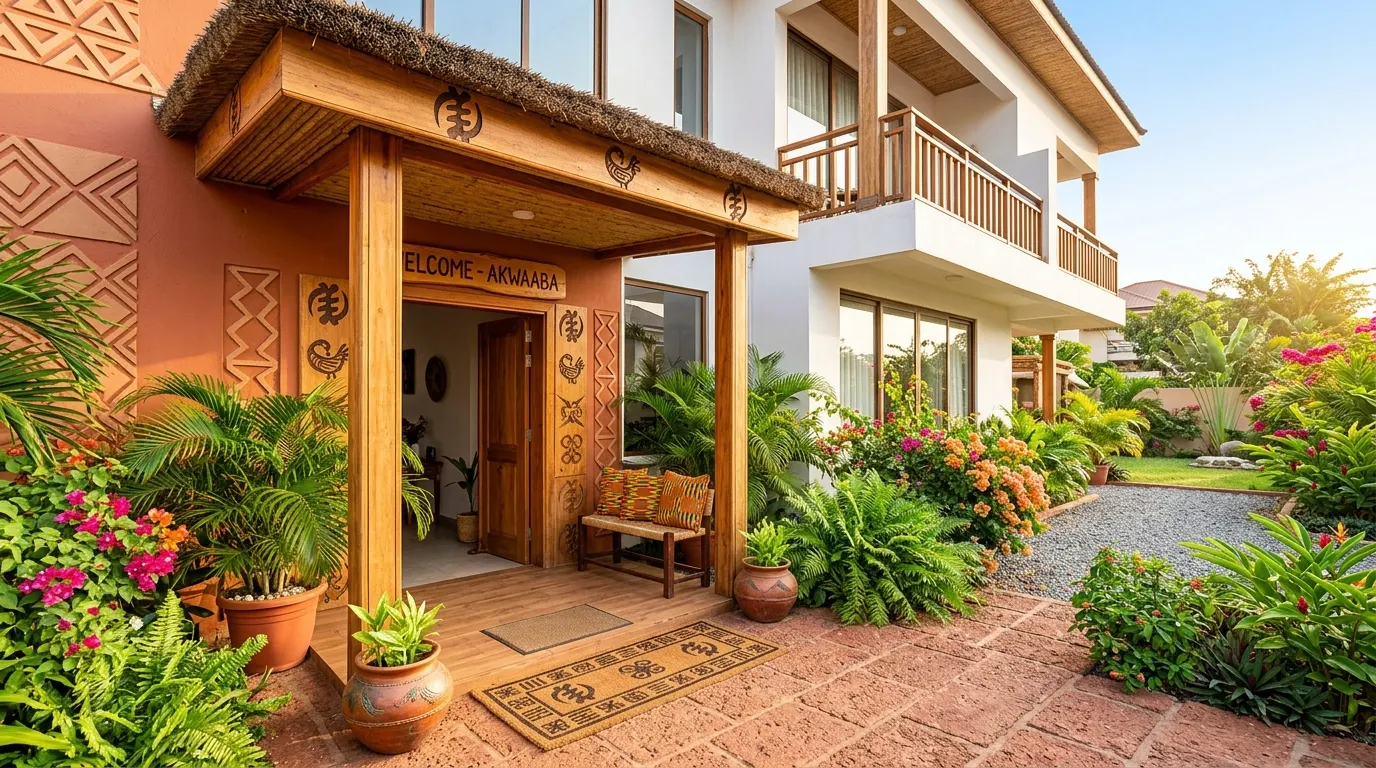
Accra is a phenomenal entry point into West Africa for families, offering a rich tapestry of history, coastal relaxation, and vibrant culinary traditions. In Ghana, street food culture and generous restaurant portions mean your kids can sample incredible local dishes for pennies.
One of the greatest joys of Accra is savoring street-side kelewele (spicy fried plantains) with your crew. A generous portion wrapped in paper costs roughly 15-20 GHS (about $1.50 USD) and is easily enough to satisfy two hungry kids as a heavy snack or side dish. For a sit-down experience, The Garden (East Legon) is a lush, green sanctuary that combines a garden nursery with an outdoor restaurant. It is fully stroller accessible, open daily from 8:00 AM to 10:00 PM, and offers massive portions of both local and continental dishes (mains average 150-250 GHS or $12-$20 USD) that are perfectly sized for parents to split with younger children.
🎟️ Book family tickets & skip-the-line tours →
Beyond the food, Accra offers incredible learning experiences. You can climb the Jamestown Lighthouse, or take a deep-dive cultural walk with the Omanye House (Jamestown walking tour). If your kids love chocolate, the Tetteh Quarshie Cocoa Farm provides a hands-on history lesson where they can see exactly where chocolate comes from, starting with the raw pods. For a beach day, Bojo Beach and the associated Bojo Beach Resort require a short, fun one-minute boat ride across a lagoon, keeping the mainland hustle at bay while you share affordable grilled tilapia and rice on the sand.
If you want to escape the city concrete, Rufus Green Parks offers a serene botanical garden combined with high-energy play spaces, while the Legon Botanical Gardens balances nature with activities like a high ropes course.
2-6. The Middle East: Legendary Hospitality and Brunch Culture
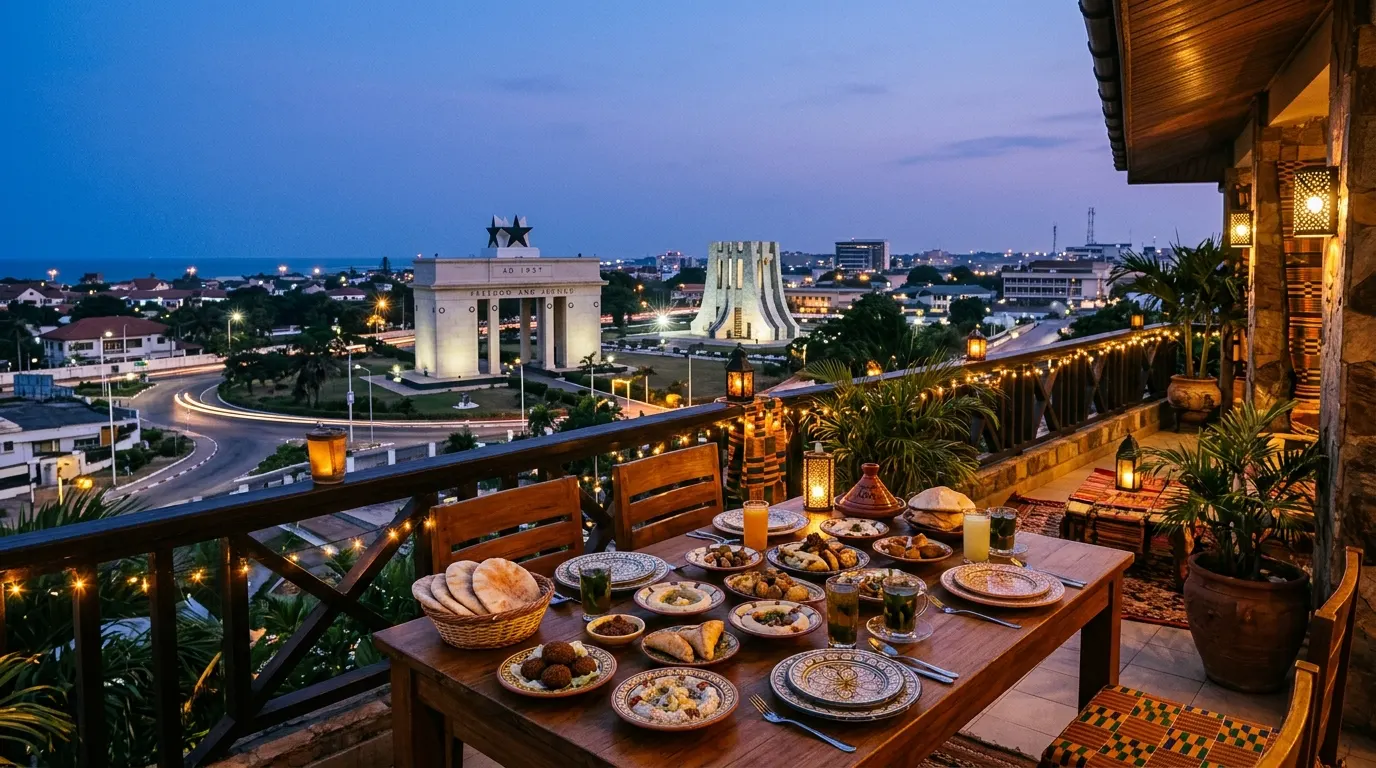
The Middle East is legendary for its family-centric culture. Waitstaff will often go out of their way to entertain your children, and the dining structure naturally lends itself to cost savings.
Dubai, UAE
In Dubai, the famous weekend brunch culture is a parent's best friend. Dozens of high-end hotels and resorts offer spectacular Saturday and Sunday buffets where children under 6 (and sometimes under 12) eat absolutely free with a paying adult. These aren't just standard buffets; they often include dedicated kids' entertainment, face painting, and massive dessert stations. During the week, grabbing shawarma from a local cafeteria costs under $3 USD, providing a filling meal for a hungry child.
Doha, Qatar
Much like its neighbor, Doha caters heavily to families. The city is packed with pristine parks (like MIA Park) where families gather for evening picnics. Dining in the Souq Waqif means ordering large platters of mixed grills and warm flatbreads. You never need to order a separate meal for younger kids; simply ask for an extra plate, and they can feast on hummus, moutabal, and grilled chicken from the communal spread for zero extra cost.
🎟️ Find family-friendly tours & activities →
Amman & Petra, Jordan
When visiting Amman/Petra, the mezze culture is your greatest budgetary asset. A table filled with falafel, labneh, fresh pita, and salads costs a fraction of Western dining, and children are routinely handed free sweets or extra bread by welcoming shop owners. Jordanian hospitality dictates that no one leaves hungry, and restaurant owners will often send over complimentary mint teas and small treats for the table just because you have children with you.
Muscat, Oman
In Muscat, the Omani welcome is incredibly warm. Upon entering many traditional restaurants or even hotel lobbies, families are greeted with complimentary dates and traditional coffee (or fresh juice for the kids). Dining heavily features massive communal plates of shuwa (slow-roasted meat) over spiced rice. One order easily feeds an adult and two young children.
Cairo, Egypt
Cairo is the ultimate destination for "nearly free" eating. The national dish, Koshari—a comforting, kid-friendly mix of rice, macaroni, lentils, chickpeas, and tomato sauce—costs around $1 to $2 USD for a bowl so large most adults can't finish it. Street vendors selling fresh mango juice or hot sweet potatoes will often give a little extra to children free of charge.
7-12. Africa: Incredible Value and Family Feasts
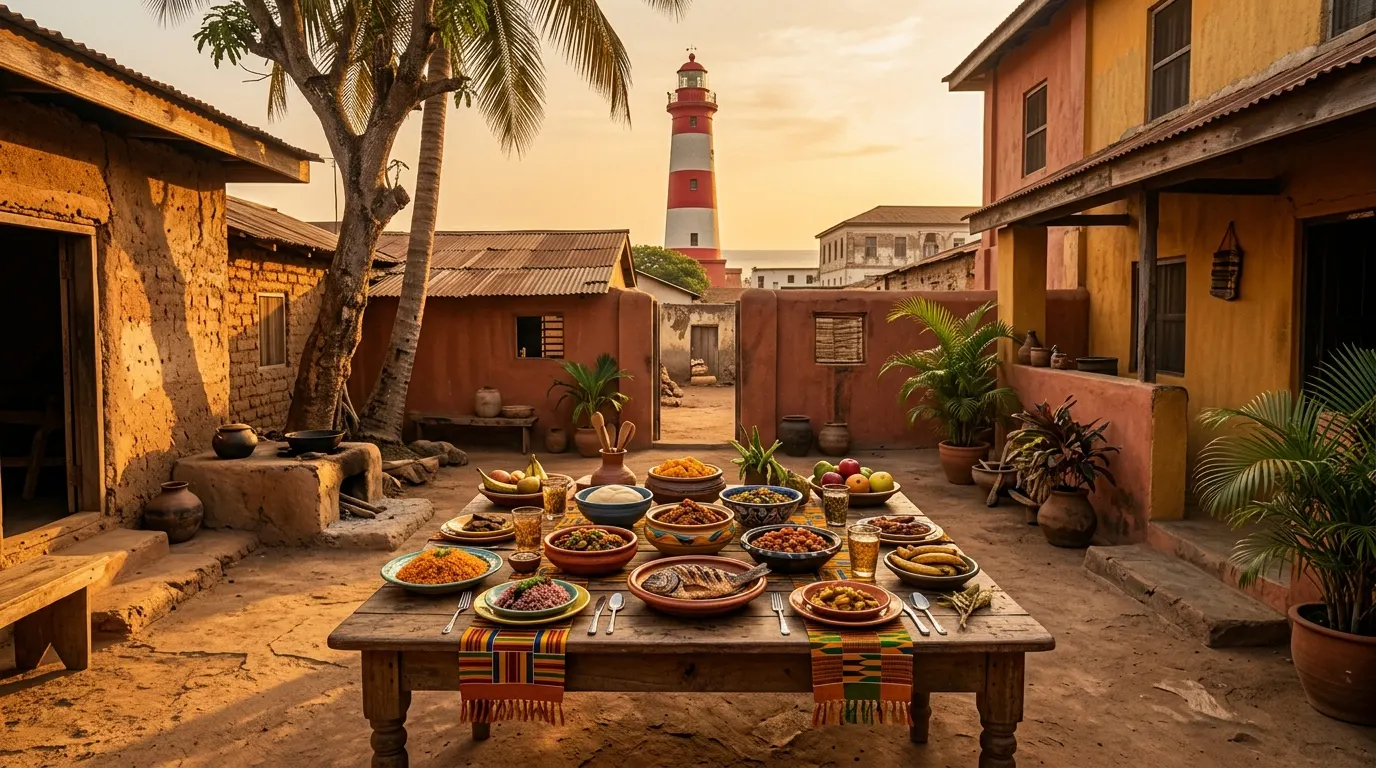
Across the African continent, favorable exchange rates for USD/EUR earners and deeply rooted family dining traditions create highly economical travel experiences.
Cape Town, South Africa
Cape Town offers some of the highest-quality dining in the world at astonishingly low prices. South Africa also boasts an incredible "family restaurant" culture. Chains like Spur Steak Ranches have massive indoor play areas, and they frequently run "Kids Eat Free" promotions on specific weekdays. Furthermore, visiting the wine estates in Stellenbosch or Franschhoek usually involves sprawling lawns, jungle gyms, and highly subsidized kids' menus (often under $4 USD for a full meal).
Johannesburg, South Africa
Similar to Cape Town, Johannesburg is incredibly family-friendly when it comes to dining. Large family-style restaurants are the norm, and the portions are generally enormous. You can easily share a standard adult meal with a school-aged child without leaving anyone hungry, cutting your food budget in half.
Kruger National Park, South Africa
When visiting Kruger National Park, the dominant food culture is the "braai" (barbecue). Because the rest camps are set up for self-catering, your dining costs are essentially just the price of groceries. Buying local boerewors (sausage), fresh bread, and fruit at a local supermarket means feeding your kids costs only a few dollars a day, enjoyed while watching wildlife from your patio.
Marrakech, Morocco
In Marrakech, staying in a traditional riad usually includes a massive complimentary breakfast of fresh breads, msemen (Moroccan pancakes), jams, eggs, and mint tea. This meal is so filling that your kids likely won't need a heavy lunch. For dinner, ordering a large chicken and lemon tagine to share is incredibly economical. Moroccan culture highly values children, and shopkeepers in the souks are known to hand out free dates or pastries to passing kids.
Addis Ababa, Ethiopia
Dining in Addis Ababa is a fundamentally communal experience. Food is served on a large platter layered with injera (a spongy, sour flatbread), topped with various mild and spicy stews. There are no "individual portions." You simply wash your hands and eat together from the same plate. Because you are ordering by the stew rather than by the person, adding children to the meal costs absolutely nothing extra.
Mauritius
If you are looking for a resort vacation, Mauritius is famous for its family hospitality. Many of the island's high-end resorts offer year-round policies where children under 12 stay and eat completely free when sharing a room with their parents on half-board or full-board packages. This makes a luxury Indian Ocean island vacation surprisingly manageable for families.
Age-By-Age Guide: Dining & Exploring the Best Family Cities in Middle East & Africa
Navigating food and activities requires different strategies depending on your children's developmental stages.
Toddlers (Ages 2-3)
For this age group, stick to the predictable and safe. In destinations like Dubai or Mauritius, lean heavily into the resort buffets where toddlers eat free and can pick at plain pasta, fresh fruit, and breads. In Accra, a visit to The Little Explorers—a premium, Montessori-inspired indoor play center—provides a clean, safe, and air-conditioned environment for developmental play when the outdoor heat becomes too much. Keep meals simple: plain rice, mild hummus in Amman, or a shared piece of grilled fish on Bojo beach.
Preschoolers (Ages 4-5)
Preschoolers are ready for slightly more engagement. They will love the tactile nature of eating with their hands, whether that is scooping up injera in Addis Ababa or tearing off pieces of warm pita in Doha. In Accra, take them to Rufus Green Parks where they can burn off energy safely. Food-wise, this is the perfect age to introduce mild street foods like sweet roasted plantains or standard falafel.
School-Age (Ages 6-10)
This is the golden age for travel. They are old enough to handle longer excursions and adventurous eating. In Accra, take them to the Cedi Beads Factory where they can watch artisans transform recycled glass into traditional beads. They will also appreciate the mild spice of kelewele or the fun of mixing Koshari in Cairo. For an incredible day trip in Ghana, head to Kakum National Park (about 3 hours from Accra) to walk the world-famous canopy walkway suspended 40 meters above the rainforest.
Tweens and Teens (Ages 11-14)
Older kids need context and autonomy. They can handle deep-dive cultural tours like the Omanye House (Jamestown walking tour) in Accra, or visiting the profoundly moving Cape Coast Castle and Elmina Castle to learn about the trans-Atlantic slave trade. Give them a small budget to buy their own street food snacks, allowing them to independently order shawarma in Dubai or negotiate for a fresh coconut in Marrakech. For a mini-safari near Accra, Shai Hills Resource Reserve is just an hour away and allows them to spot zebras and baboons. Older kids might also enjoy browsing the Global Mamas Fair Trade Shop (Osu) for unique, ethically made souvenirs.
What to Skip: Overhyped Spots and Tourist Traps
Not every famous market or attraction is suitable for a family itinerary. When navigating these vibrant regions, it is crucial to protect your family's energy levels. If you are visiting Accra, here are a few places you should definitely pass on:
- Makola Market: While famous, Makola is a high-intensity working market characterized by unorganized chaos and crushing crowds. The extremely narrow, often muddy paths make it entirely impassable for strollers, and keeping track of multiple young children in the crush of bodies is incredibly stressful.
- Osu Night Market: Navigating this market with kids means dodging open charcoal grills at eye-level and breathing in thick smoke. The narrow alleys are too congested for a safe, relaxing evening meal with young ones.
- Kantamanto Market: This is a massive secondhand clothing hub. It is physically exhausting for adults to navigate, completely lacking in child-friendly infrastructure, and simply not a fun environment for kids.
- Skybar 25: Often recommended in generic travel guides, this is an ultra-exclusive, members-oriented rooftop lounge that prioritizes a "see and be seen" adult atmosphere. It is not welcoming for families with children.
- Distant Attractions Passed Off as Local: Be wary of guides suggesting the Kwame Nkrumah University of Science and Technology Botanical Garden, Rattray Park, or the Wechiau Community Hippo Sanctuary for a quick day trip from Accra. These are located in Kumasi or the Upper West Region, requiring grueling 5 to 12-hour drives that will make your kids miserable.
Pro Tips from Parents: Navigating Food and Fun
To make your journey smooth and keep everyone healthy and happy, lean on these practical strategies:
- Hydration is Crucial: When traveling in regions like West Africa, stick to reputable bottled water brands like Voltic or Bel-Aqua for your children rather than the ubiquitous "sachet water" sold on the streets, which can sometimes upset sensitive stomachs.
- Master Local Transport: Download local ride-hailing apps immediately. In Accra, using Uber or Bolt helps you avoid the stress of haggling with street taxi drivers and ensures you have air-conditioned transport waiting for you.
- Plan Your Potty Breaks: Public restrooms are nearly non-existent in many bustling city centers. Plan your bathroom stops around major shopping centers, high-end hotels, or large restaurants (like Marina Mall or Accra Mall in Ghana).
- Skin Care: If visiting West Africa during the Harmattan season (December to February), the dry, dusty winds can be harsh. Pack extra moisturizer, lip balm, and saline nasal spray for your kids to prevent nosebleeds and dry skin.
- Watch Your Step: Avoid walking heavily congested commercial streets (like Osu Oxford Street in Accra) with a stroller or toddlers. These areas often lack continuous sidewalks and feature deep, uncovered drainage gutters that pose a major hazard for little ones.
Wrapping Up Your Culinary Adventures
Feeding your family while exploring the world shouldn't be a source of financial anxiety. By choosing destinations that value communal dining, embrace street food culture, and inherently welcome children into public spaces, you can stretch your travel budget further than you ever thought possible. The best family cities in middle east & africa offer a brilliant masterclass in hospitality, proving that some of the most memorable, delicious meals your family will ever share can also be the most affordable. Pack your appetite, embrace the shared plates, and get ready to show your kids how wonderful the world tastes.