Traveling across the Atlantic (or even just across the continent) with children is a massive undertaking. Between managing jet lag, navigating unfamiliar transit systems, and keeping everyone fed, the destination you choose can make or break your trip. You need places that offer a magical blend of culture for the adults and engaging, accessible fun for the kids. Fortunately, the best family cities in europe deliver exactly that.
European travel with kids doesn't have to mean dragging exhausted toddlers through silent, stuffy art museums. The destinations that truly shine for families are those that integrate play into the city fabric—where public squares become impromptu soccer pitches, ancient ruins spark mythological imaginations, and public transit is an adventure in itself.
Whether you are looking for golden coastlines, interactive science museums, or sprawling urban parks, careful planning is the key to a memorable trip. Below, we break down our absolute favorite destinations that balance parental wishlist items with genuine, kid-approved excitement.
Finding the Best Family Cities in Europe
What makes a European destination truly family-friendly? It comes down to infrastructure, pacing, and variety. The best family cities in europe offer wide, stroller-friendly promenades, reliable public transportation, and a culture that actively welcomes children in restaurants and public spaces.
When evaluating a destination, look for cities that offer "two-for-one" experiences. A historic castle is great, but a historic castle with a massive playground at its base is ideal. A beautiful beach is wonderful, but a beautiful beach with calm tide pools and a nearby cafe for emergency snacks is perfect. The ten destinations below have been thoroughly vetted for exactly these qualities, offering rich experiences that won't leave you completely drained by noon.
Top 10 Best Family Cities in Europe (and Regions)
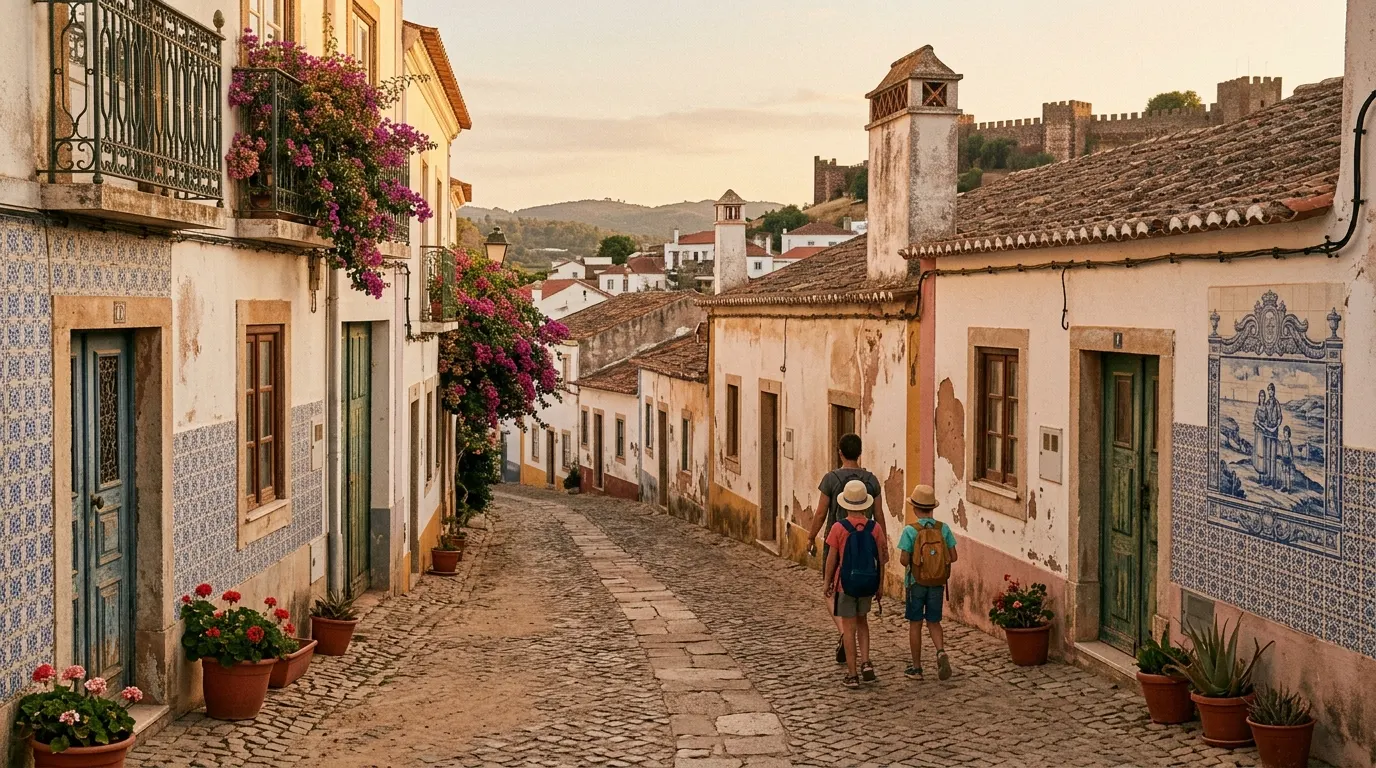
1. The Algarve (Portugal)
While technically a region rather than a single city, the Algarve functions as a massive, sun-drenched playground that is arguably the most family-friendly coastal destination in Europe. The sheer variety of beaches is staggering. For safe, shallow waters and 6km of golden sand backed by dramatic ochre cliffs, spend a day at Praia da Falésia. If you want a unique "two-for-one" beach where the Seixe River loops around a massive sandbar, head to Praia de Odeceixe. Families seeking a more rugged, nature-focused vibe will love the pine-fringed white sands of Praia Verde or the dramatic tide pools at Praia do Evaristo.
Beyond the beaches, the marine life experiences are unparalleled. Portugal's premier family attraction is Zoomarine Algarve, a massive hybrid water park and marine life center. For a truly premium experience, look into Dolphin Emotions at Zoomarine, a highly structured interaction program (expect to pay around €150 / $160 USD, and book months in advance). If your kids prefer seeing animals in the wild, book Dolphin Watching with Dream Wave Algarve (Vilamoura), which combines a thrilling jet boat ride with marine biology education.
🎟️ Book family tickets & skip-the-line tours →
For coastal exploration, the iconic Benagil Sea Cave is a must-do, featuring a massive natural skylight. You can only access it by boat or kayak. Older kids will love the Kayak Tour to Ponta da Piedade (from Lagos), an active paddle through the breathtaking golden limestone cliffs and arches of Ponta da Piedade. Younger kids might prefer the high-energy Leaozinho Pirate Ship (Vilamoura Marina), a 2.5-hour coastal cruise complete with a live pirate show and treasure hunt.
When you need a break from the water, wander the pedestrian-friendly, cobblestone maze of Lagos Old Town (Centro Histórico de Lagos), enclosed by ancient Moorish walls. And if you have a spare day, a Day Trip to Seville (Spain) is a fantastic cross-border dash to see the awe-inspiring Seville Cathedral (Catedral de Santa María de la Sede), which houses Christopher Columbus’ tomb.
2. Amsterdam (Netherlands)
Amsterdam is an absolute dream for families, largely because the entire city is designed around humans rather than cars. Read our full Amsterdam guide to see why. The flat terrain makes stroller pushing effortless, though you do need to keep a watchful eye out for bicycles. Start your days at Vondelpark, a massive green space filled with futuristic playgrounds and cafes where parents can sip coffee while kids climb. The NEMO Science Museum (around €17.50 / $19 USD) is a five-story interactive wonderland housed in a building shaped like a ship, perfect for school-aged kids. And when hunger strikes, traditional Dutch pancake houses are guaranteed crowd-pleasers.
3. Athens (Greece)
Taking kids to Athens feels like stepping directly into their favorite mythology books. The key to tackling the Acropolis (tickets around €20 / $22 USD) is arriving the moment the gates open at 8:00 AM to beat both the intense midday heat and the cruise ship crowds. The terrain here is notoriously rugged, so leave the stroller at the hotel and opt for a baby carrier for toddlers. Afterward, descend into the Plaka district, a pedestrianized neighborhood packed with shaded tavernas where children are welcomed with open arms and endless plates of souvlaki.
🎟️ Find family-friendly tours & activities →
4. Barcelona (Spain)
Barcelona combines world-class art with immediate beach access, a rare and wonderful combination for families. Antoni Gaudí’s Park Güell (around €10 / $11 USD) looks like a life-sized gingerbread village, instantly capturing the imagination of preschoolers and older kids alike. While the city center is incredibly walkable, the hills up to Montjuïc or Park Güell can be steep, so utilize the excellent metro system. Don't miss CosmoCaixa, an exceptional science museum featuring a massive indoor rainforest, offering a perfect air-conditioned retreat during the heat of the Spanish afternoon.
5. Bergen (Norway)
If your family loves the outdoors, Bergen is your perfect gateway to the Norwegian fjords. The city itself is incredibly manageable and safe. A highlight is taking the Fløibanen funicular (around 160 NOK / $15 USD) up Mount Fløyen. At the top, you aren't just greeted with panoramic views; there is a fantastic playground and a series of easy, troll-themed hiking trails hidden in the forest. The Bergen Aquarium is another excellent, low-stress half-day activity. Just remember to pack layers—Bergen is famous for its unpredictable, rapidly changing weather.
6. Berlin (Germany)
Berlin might not be the first place you think of for kids, but it boasts some of the most phenomenal urban playgrounds (Spielplätze) in the world. These aren't just plastic slides; they are massive, wooden, multi-story climbing structures, often featuring water pumps and sand. The city is incredibly spacious, making stroller navigation a breeze, and the U-Bahn is efficient and easy to use. Spend an afternoon wandering through the sprawling Tiergarten park, or take older kids to the highly interactive DDR Museum to learn about life in East Germany through hands-on exhibits.
7. Bordeaux (France)
Often overlooked by families flocking to Paris, Bordeaux is a remarkably relaxed, flat, and walkable city. The star attraction for children is the Miroir d'Eau, the world's largest reflecting pool. On a warm day, the shallow water cycles through phases of fog and mirror-like stillness, creating an impromptu, joyous splash pad for hundreds of local kids. Across the river, the Darwin Eco-système features a skate park, urban art, and an organic restaurant with plenty of space for kids to roam safely.
8. Brno (Czech Republic)
If you want the charm of Central Europe without the crushing crowds of Prague, Brno is a phenomenal alternative. It is highly affordable and packed with unique attractions. The VIDA! science center (around €10 / $11 USD) features over 180 interactive exhibits that can easily occupy a whole day. For older kids, the city's underground labyrinths and the somewhat spooky Ossuary under the Church of St. James offer an adventurous, Indiana Jones-style thrill.
9. Brussels & Bruges (Belgium)
Belgium is small enough that you can easily combine Brussels-Bruges into one seamless trip using the incredibly efficient, inexpensive train system. In Brussels, follow the Comic Strip Route to find massive murals of Tintin and the Smurfs painted on the sides of buildings. Bruges, with its winding canals and horse-drawn carriages, feels like a living fairy tale. Both cities offer an abundance of world-class chocolate shops and waffle stands, providing the ultimate built-in bribery for tired little legs.
10. Budapest (Hungary)
Budapest is grand, sweeping, and surprisingly accommodating for families. Riding the historic Buda Castle funicular up the hill saves tired legs and offers a thrilling ride. Margaret Island, a massive park situated right in the middle of the Danube River, is completely car-free and features musical fountains, playgrounds, and pedal carts for rent. For a uniquely Hungarian experience, visit the Gellért Thermal Baths; while some pools are quiet zones, the outdoor wave pool is a massive hit with children during the summer months.
Age-Specific Tips for European Travel
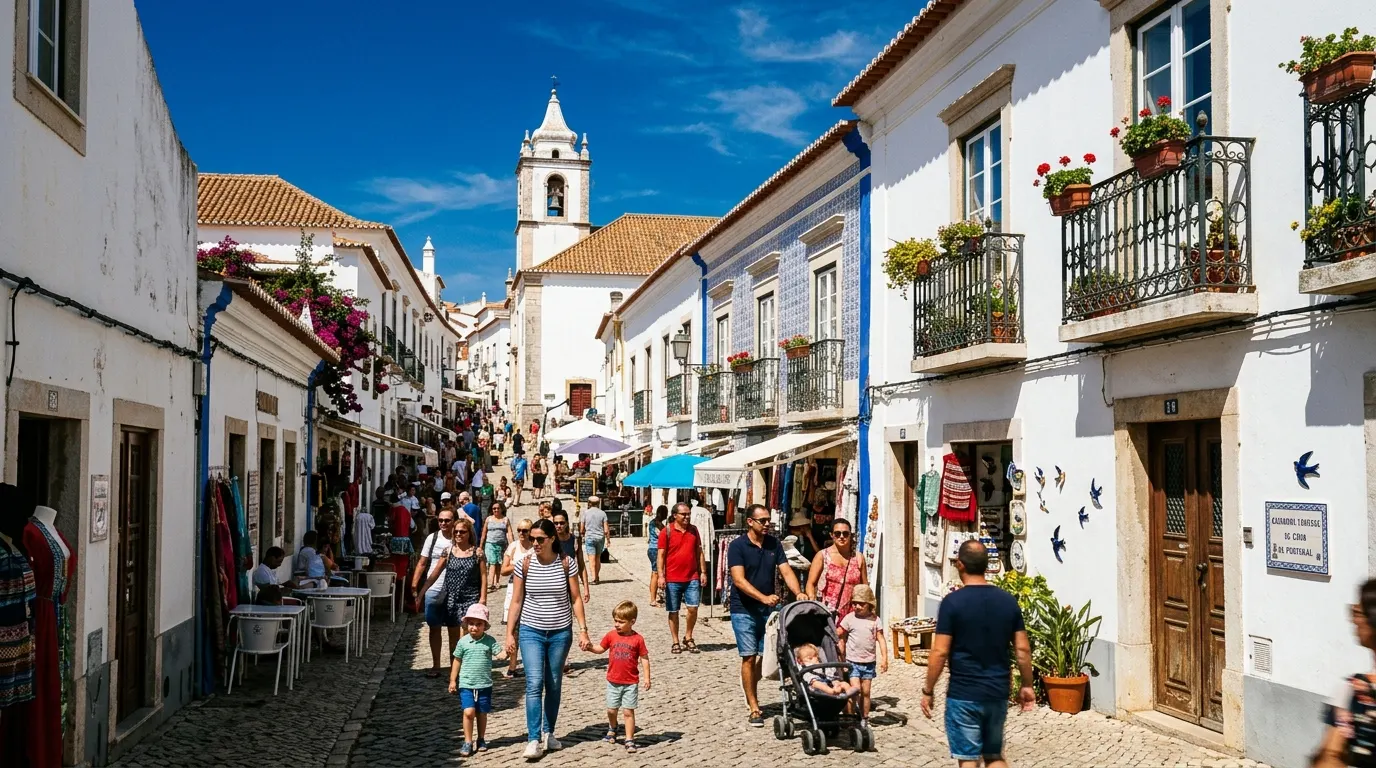
Traveling with a toddler requires a vastly different strategy than traveling with a teenager. Here is how to optimize the best family cities in europe for your specific stage of parenting.
Toddlers (Ages 2-3)
At this age, flexibility and logistics are everything. Prioritize flat, walkable cities like Amsterdam, Bordeaux, or Berlin where you can easily push a stroller. Plan your days around one main activity in the morning, followed by a park visit where they can safely run off energy. Always locate the nearest green spaces—like Vondelpark in Amsterdam or Tiergarten in Berlin—because European restaurants often have long, leisurely service times that toddlers simply cannot tolerate.
Preschoolers (Ages 3-5)
This is the age of imagination. Frame your sightseeing around stories. A trip to a ruined castle in the Algarve isn't just a history tour; it's a dragon hunt. The Leaozinho Pirate Ship in Portugal or the troll trails in Bergen are absolute magic for this age group. Keep transit times short and rely heavily on public transportation novelties—funiculars, double-decker trains, and trams are often just as exciting as the destination itself.
School-Age (Ages 6-10)
Kids in this bracket have the stamina for longer days but need constant engagement. This is the sweet spot for interactive museums like NEMO in Amsterdam, CosmoCaixa in Barcelona, or VIDA! in Brno. Give them a cheap digital camera or a travel journal and put them in charge of documenting the trip. Scavenger hunts (like finding the comic murals in Brussels) work brilliantly to keep them moving through city streets without complaining about tired legs.
Tweens and Teens (Ages 11-14)
Teenagers crave independence and input. Let them choose one major activity or restaurant per day. Active excursions are key to keeping them off their phones—book the kayak tour to Ponta da Piedade or challenge them to navigate the Berlin U-Bahn map to get you to your destination. They are also old enough to appreciate the darker, more complex history of Europe, making places like the underground labyrinths of Brno or the historic sites of Athens deeply engaging.
What to Skip: Tourist Traps to Avoid
Even the most family-friendly regions have their pitfalls. To ensure your trip remains enjoyable, it is crucial to recognize and avoid logistical nightmares, overpriced excursions, and unsafe environments. Using the Algarve as a prime example, here are common types of attractions you should skip across Europe:
- Dangerous Natural Access: Never attempt Benagil Cave Swimming Access. Attempting to swim from the beach is extremely dangerous due to powerful, unpredictable Atlantic currents. Always book a boat or kayak tour.
- Overhyped Transit Hubs: Praia de Benagil (The Beach) is widely photographed, but it isn't a beach for relaxing. It is a high-traffic transit hub for motorboats and kayaks, leaving little safe space for kids to play in the sand.
- Poor Value Excursions: Avoid Albufeira Marina Parasailing (various operators). The hassle-to-fun ratio is very poor for families; you will pay a massive premium (often €40-60 per person) for a very brief flight, spending most of your time waiting on a hot boat.
- Logistical Nightmares: Extreme water park rides like the Aqualand Algarve Big One Ride are traps for families. They feature massive lines, strict height restrictions that split up siblings, and very brief ride times.
- Rowdy Adult Atmospheres: Steer clear of The Big One (Albufeira Strip Nightclub) and Cais do Sodré-style party cruises (Albufeira 'Sunset Party Boat' operators). These areas and cruises are designed for a high-energy adult nightlife atmosphere, featuring loud music, open bars, and rowdy stag/hen parties.
- Underwhelming Novelties: The Albufeira Tourist Train looks like a fun novelty, but it is actually a tractor-pulled carriage that frequently gets stuck in heavy car traffic, leaving you inhaling exhaust fumes. Similarly, skip the Museu de Cera dos Descobrimentos (Lagos Wax Museum), a very small, overpriced attraction with mediocre wax figures that will bore children within ten minutes.
Pro Tips from Parents
- Master the Supermarket Run: The very first thing you should do upon arriving in any European city is locate the nearest local grocery store (like Albert Heijn in Amsterdam or Continente in Portugal). Stock up on fresh fruit, local baked goods, and bottled water. Having a dedicated snack stash in your day bag prevents low-blood-sugar meltdowns while you search for a family-friendly restaurant.
- The Rule of One: Plan only one major, ticketed activity per day. If you do the Acropolis in the morning, the afternoon should be entirely unstructured—wandering a park, sitting at a cafe, or playing on a beach. Over-scheduling is the enemy of a happy family trip.
- Book Everything in Advance: Europe in the summer is astonishingly busy. If you want to visit the NEMO Science Museum, Park Güell, or do a dolphin encounter, you must book tickets online weeks in advance. Skipping the hour-long ticket queue is vital for preserving your children's patience.
- Embrace the European Schedule: In countries like Spain, Portugal, and Greece, dinner isn't served until 8:00 PM or later. Don't try to force your home schedule. Embrace the afternoon siesta, let the kids nap or rest in the air conditioning, and enjoy the magical atmosphere of European plazas coming alive in the cooler evening air.
Conclusion
Taking your kids across the world is a significant investment of time, money, and energy, but the rewards are immeasurable. Watching your child's eyes light up as they spot wild dolphins off the coast of Portugal, taste real Belgian chocolate for the first time, or conquer a massive wooden playground in Berlin creates memories that outlast any souvenir. By choosing destinations that naturally cater to a slower pace, integrating green spaces, interactive learning, and pedestrian-friendly streets, you set your whole family up for success. The best family cities in europe aren't just places to drag your kids through; they are incredible, dynamic playgrounds where you can all genuinely enjoy the adventure together.