Feeding a family on vacation is often the fastest way to drain a travel budget. Three meals a day, plus the inevitable stream of snacks required to keep little legs moving through museums and parks, can quickly cost more than your flights. But choosing the right destination completely changes the math. When you travel to the best family cities in asia pacific, you unlock a world of vibrant night markets, legendary hawker stalls, and family-focused dining venues where kids can eat for a fraction of what you would pay at home—or even for free.
Dining out in these regions is rarely a formal, sit-down affair that requires hushed voices and pristine behavior. Instead, it is a loud, colorful, and highly interactive experience that caters perfectly to the chaos of traveling with children. From grabbing dollar dumplings in bustling alleyways to lounging at parent-friendly breweries with massive outdoor playgrounds, we are breaking down the top destinations where your food budget will stretch furthest, starting with a deep dive into an unexpected culinary haven for families.
1. Auckland, New Zealand: Farm-to-Table Goodness and High-Value Eats
While New Zealand is generally considered a premium destination, Auckland offers incredible value for families who know where to look. By pairing affordable, high-quality local food venues with world-class free or low-cost activities, you can build a highly memorable itinerary without overspending. For a complete overview, bookmark our City Guide: /city/auckland.
When it comes to feeding the kids in Auckland, skip the formal dining rooms and head straight to the Hobsonville Point Farmers Market. Housed in a historic seaplane hangar, this vibrant weekend market is flat, fully stroller-accessible, and packed with gourmet food stalls. Kids can graze on artisan breads, fresh local fruits, and pastries for just a few dollars (around $5-$10 NZD / $3-$6 USD). Another absolute must for parents is the Hallertau Brewery (Riverhead). Widely regarded as Auckland's most parent-friendly brewery, Hallertau pairs high-end craft beer with a massive outdoor play area. Their kids' menu is highly affordable, meaning parents can relax for a few hours while the children burn off energy safely.
For a true treat that doubles as entertainment, you cannot miss Giapo Ice Cream in the central city. More of an edible art gallery than a standard scoop shop, Giapo serves gravity-defying ice cream sculptures. While it is a splurge (around $15 NZD / $9 USD per cone), the portions are massive and easily shared, making it a high-value dessert experience.
To offset your food costs, Auckland delivers heavily on free and low-cost outdoor adventures. Start your mornings at Ambury Regional Park, a completely free, working farm on the edge of the Manukau Harbour where kids can get face-to-face with sheep, cows, and pigs. Later, burn off those market snacks at the Wynyard Quarter Playground (Daldy Street Linear Park). This sleek, industrial-chic urban playground features a 7-meter silo-inspired climbing tower and interactive water features that will keep toddlers and school-aged kids busy for hours at zero cost.
When you are ready to explore the coastline, take the Fullers360 Ferry to Devonport. This 12-minute scenic commute doubles as a high-value sightseeing tour for kids. Once across the harbor, visit the Torpedo Bay Navy Museum. It is a compact, high-quality museum that brings New Zealand’s naval history to life through interactive displays, and entry is highly affordable. For beach time, skip the crowded tourist spots and head to Kohimarama Beach, a quieter, more local alternative to neighboring Mission Bay, offering calm, shallow water and a wide promenade perfect for strollers.
If you have room in the budget for premium attractions, Auckland has world-class options. Built into repurposed underground tanks, the iconic SEA LIFE Kelly Tarlton's Aquarium features a sub-Antarctic penguin enclosure that is universally loved by kids. For pure entertainment, Whoa! Studios is a boutique film studio and family destination featuring high-quality puppet theater and a fantastic on-site restaurant.
🎟️ Book family tickets & skip-the-line tours →
For adventurous families with older kids, the natural wonders surrounding Auckland are unparalleled. New Zealand’s first marine reserve, Goat Island Marine Reserve (Cape Rodney-Okakari Point Marine Reserve), offers a world-class snorkeling experience where massive snapper swim right up to your mask. You can also take a ferry to Tiritiri Matangi Island, a world-class open wildlife sanctuary where rare native birds like the prehistoric-looking Takahē roam freely. Further north, Tāwharanui Regional Park offers a stunning predator-free open sanctuary with pristine white-sand beaches. And for a unique geological adventure, hike the Rangitoto Lava Caves, a literal 'journey to the center of the earth' through 600-year-old volcanic tubes.
Got thrill-seeking teenagers? The SkyWalk (Sky Tower) provides a high-adrenaline guided walk around a 1.2-meter wide ledge 192 meters above the ground with no handrails. It is pricey, but the memories are permanent.
2. Bali, Indonesia: Warung Dining and Resort Perks
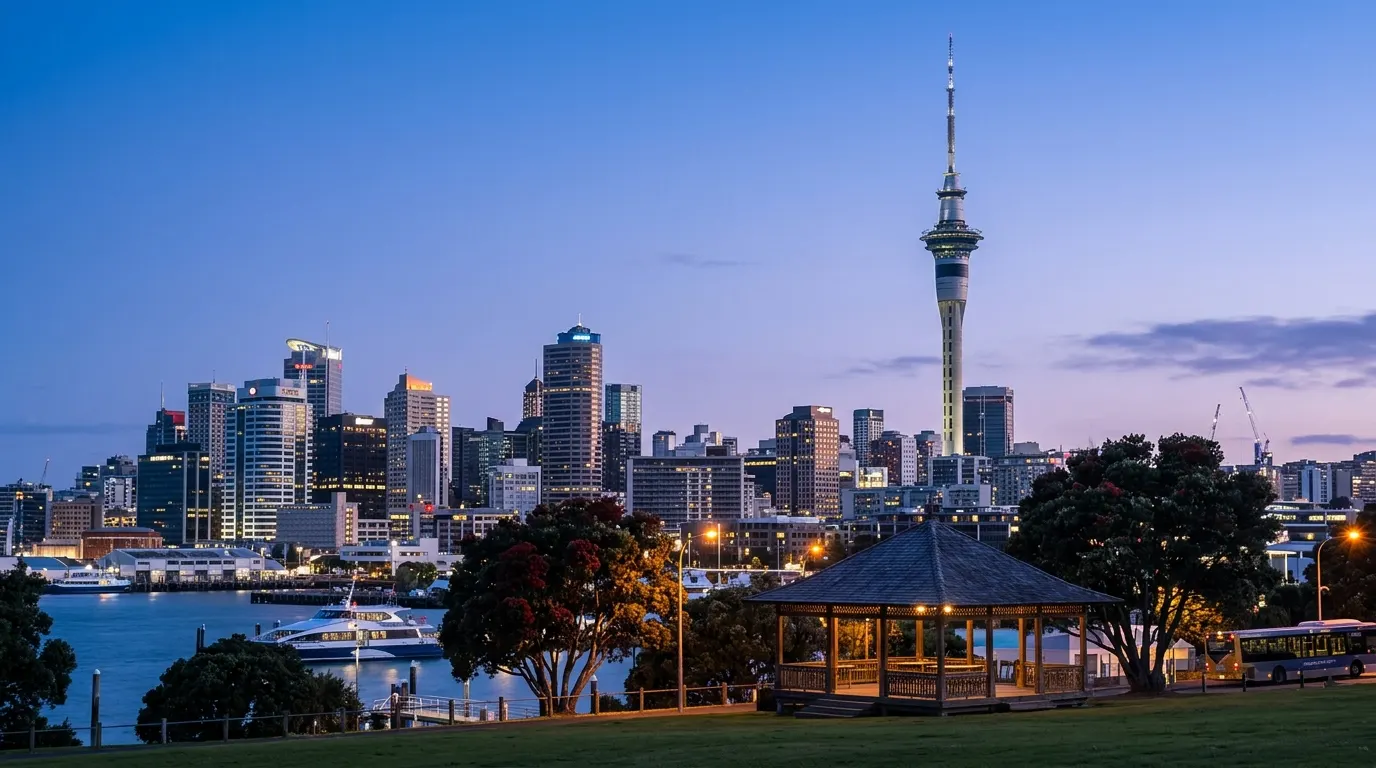
When you visit City Guide: /city/bali, feeding a family is incredibly budget-friendly if you step slightly off the main tourist strips. Local warungs (small, family-owned eateries) serve massive plates of Nasi Goreng (fried rice) and Mie Goreng (fried noodles) for roughly 30,000 IDR ($2 USD). These dishes are naturally mild and universally appealing to children. Furthermore, Bali is famous for its massive family resorts in Nusa Dua and Sanur, many of which run permanent "kids eat free" promotions with a paying adult, making your hotel dining exceptionally cost-effective.
3. Bangkok, Thailand: The Food Court Capital
Street food can be intimidating with toddlers due to the heat and traffic, but City Guide: /city/bangkok solves this perfectly with its legendary mega-mall food courts. Places like Pier 21 at Terminal 21 offer the exact same authentic, high-quality street food found outside, but in a heavily air-conditioned, stroller-friendly environment with pristine high chairs. You can feed a family of four a feast of Pad Thai, Hainanese chicken rice, and fresh mango smoothies for under 400 THB ($12 USD) total.
4. Chiang Mai, Thailand: Market Grazing at Sunset
The northern capital of City Guide: /city/chiang-mai operates at a much slower, more family-friendly pace than Bangkok. The Sunday Walking Street market is a culinary dream for parents. Instead of sitting down for a formal dinner, give your kids a handful of Baht and let them point at what they want. From steamed pork buns to coconut rice pancakes (Khanom Krok) that cost pennies, children can try a dozen different textures and flavors without you worrying about wasting a $20 entree if they take one bite and refuse the rest.
🎟️ Find family-friendly tours & activities →
5. Cebu, Philippines: Beachside Barbecues
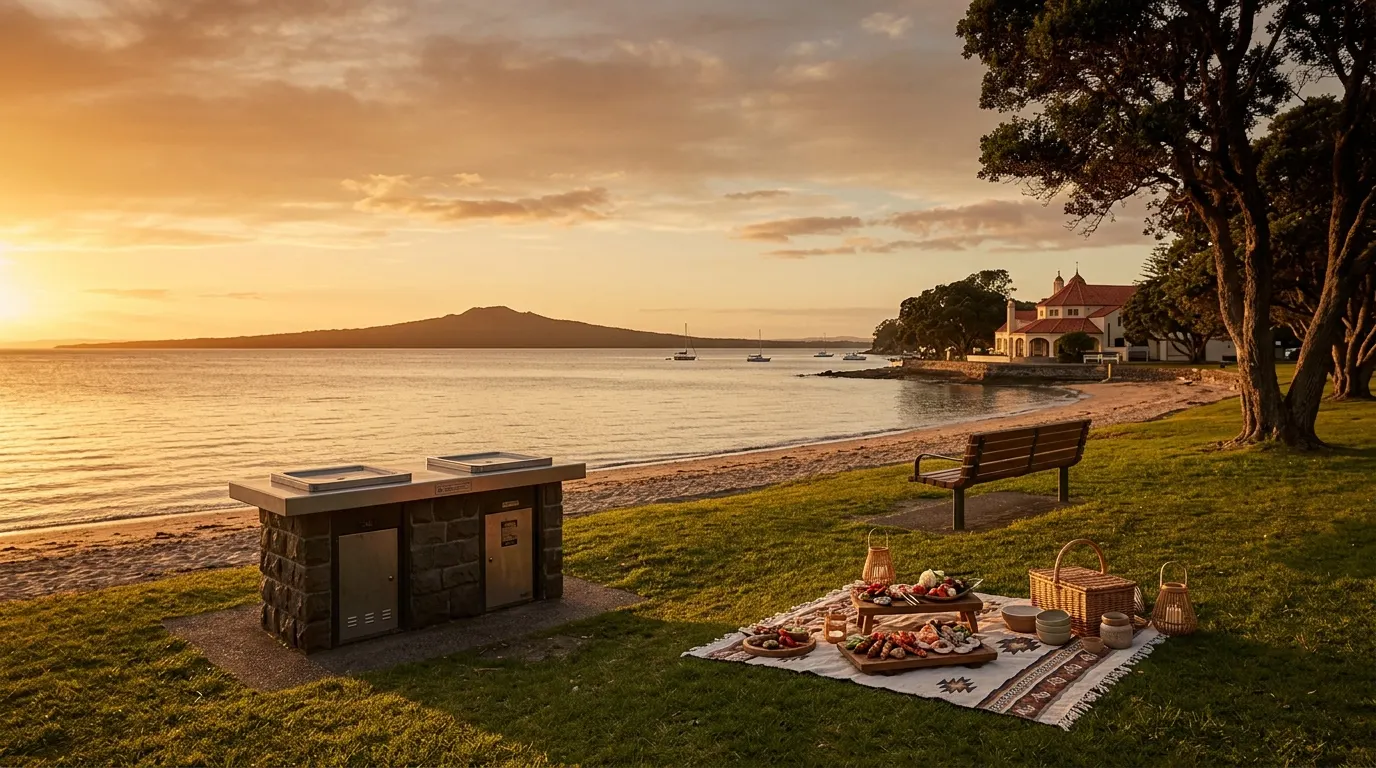
In City Guide: /city/cebu-the-visayas, dining is a communal, highly informal affair. The local specialty, Lechon (whole roasted pig), is sold by weight at casual eateries and is a guaranteed hit with kids who love savory, tender meats. Pair it with a mountain of garlic rice (Puso) wrapped in palm leaves, which costs less than fifty cents. The beachside grill culture means dining happens with sand between your toes, allowing kids to run and play between bites without disturbing anyone.
6. Beijing, China: Dumplings by the Dozen
Finding familiar textures for picky eaters is easy in City Guide: /city/beijing. Tucked into the historical hutongs (alleyways) are countless small dumpling houses where you can watch chefs folding fresh dough through the windows. A massive bamboo steamer of pork and cabbage jiaozi (dumplings) usually costs around 20-30 RMB ($3-$4 USD). Because they are bite-sized and easily eaten with hands or starter chopsticks, they are the ultimate low-cost, low-stress toddler food.
7. Busan, South Korea: Seafood and Sweet Pancakes
While Seoul gets most of the attention, City Guide: /city/busan is a coastal paradise for traveling families. The traditional markets here are highly visual and entertaining for children. You can buy fresh, inexpensive fish cakes (eomuk) on skewers right off the street—a savory, warm snack that costs about $1 USD. For dessert, do not miss Sseed Hotteok, a sweet, pan-fried dough pancake stuffed with brown sugar and seeds that will instantly become your child's favorite vacation treat.
8. Chengdu and Chongqing, China: Noodle Nirvana
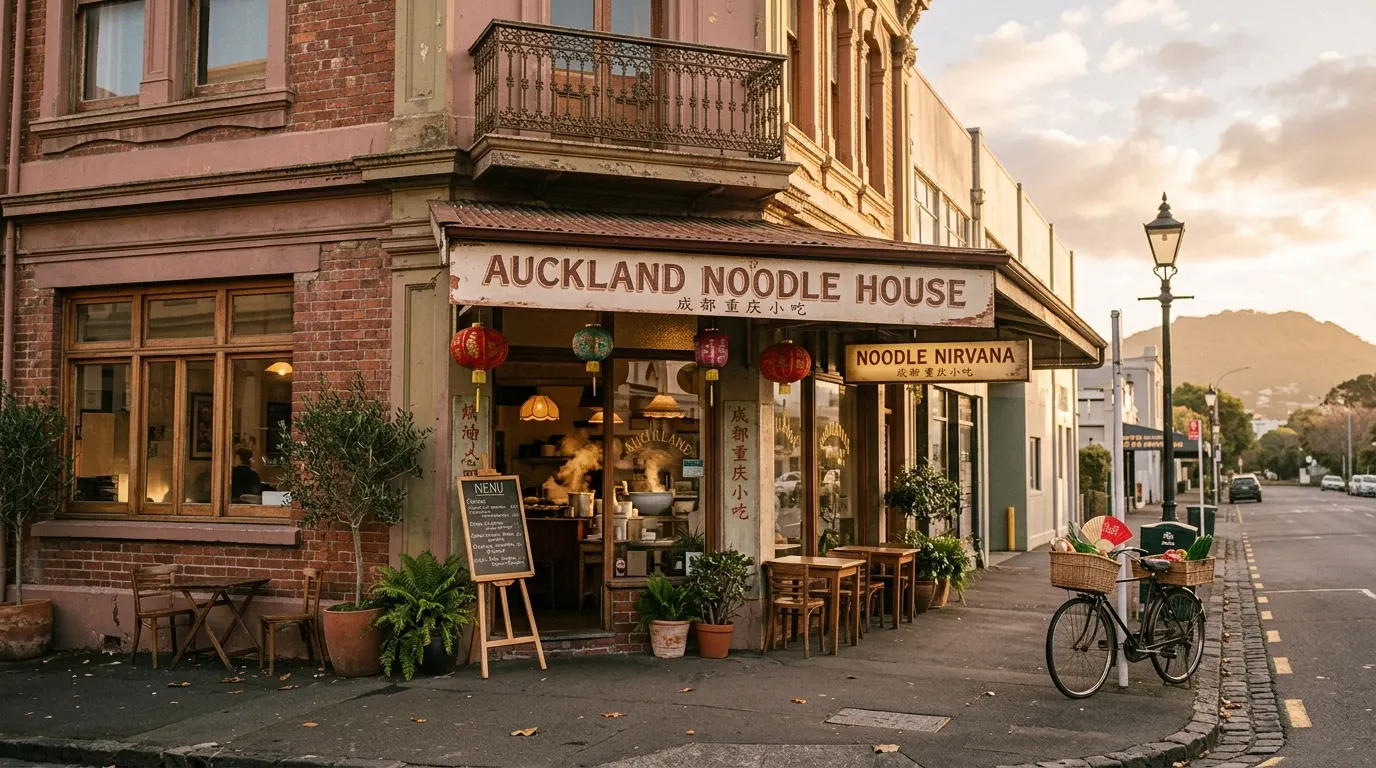
While City Guide: /city/chengdu and neighboring City Guide: /city/chongqing are famous worldwide for their mouth-numbing spice, they are surprisingly accommodating for young palates if you know what to order. Noodle shops are on every corner, and you can easily order a massive, steaming bowl of clear broth noodles with tender braised beef (ask for "bù là"—not spicy) for under 15 RMB ($2 USD). The speed of service at these local joints means you go from sitting down to eating in less than three minutes, effectively neutralizing toddler meltdowns.
9. Colombo, Sri Lanka: Hoppers and Tropical Fruit
In City Guide: /city/colombo-sri-lanka, breakfast is the star of the show. Kids are endlessly fascinated by Hoppers—bowl-shaped pancakes made from fermented rice flour and coconut milk. Plain hoppers cost just cents, and kids love breaking off the crispy edges. You can also fill up on incredibly cheap, intensely flavorful tropical fruits sold at roadside stands. Sweet red bananas and fresh mangoes cost a fraction of grocery store prices back home.
What to Skip in Auckland (and Beyond) to Save Your Budget
Not every heavily advertised attraction is worth your time or money. When managing a family budget, avoiding costly missteps is just as important as finding cheap eats.
In Auckland, carefully evaluate the Sky Tower activities. While the SkyWalk is a great sustained experience for older teens, we recommend avoiding the SkyJump (Sky Tower). It is a massive financial investment for a thrill that lasts less than 20 seconds, resulting in a very poor 'fun-per-dollar' ratio for families.
If you are looking for places to swim, cross The Lido Aquatic Centre (Parnell) off your list immediately. The facility has been closed for several years for major redevelopment, and its reopening timeline remains uncertain. Furthermore, while the rugged West Coast beaches look stunning in photos, skip Piha Beach (Swimming) and Karekare Beach if you want to get in the water. Both are notorious for dangerous 'washing machine' surf, unpredictable waves, and powerful rips that make swimming highly unsafe for children. Treat them as 'look but don't touch' beaches only.
For history buffs, Highwic House is a beautifully preserved Victorian mansion, but it operates on a strict 'look but don't touch' policy that will have you constantly hovering over curious toddlers.
Finally, be mindful of your evening itineraries. Avoid Karangahape Road (K' Road) at Night, as it transitions into a high-energy nightlife and red-light district after dark. Similarly, skip the Viaduct Harbour dining precinct after 7:00 PM on Fridays and Saturdays, as the area shifts rapidly from a family-friendly waterfront to a loud, alcohol-heavy party zone. And do not even attempt to visit SkyCity Casino Auckland (or the main SkyCity Casino floor)—New Zealand law strictly prohibits anyone under the age of 20 from entering the gaming floors, making it completely inaccessible for families.
Age-Specific Tips for Dining in the Best Family Cities in Asia Pacific
Toddlers (Ages 2-3):
Routine is everything at this age. In cities with vibrant street food cultures, utilize the daytime or early morning markets rather than the crowded night markets. Strollers are difficult to maneuver in dense evening crowds, so opt for baby carriers if you do venture out after dark. Stick to universally loved textures like steamed rice, mild noodles, and fresh fruit to keep their digestion happy.
Preschoolers (Ages 3-5):
This age group is highly visual. Take them to venues where they can watch the food being made—whether it is dumplings being folded in Beijing, noodles being pulled in Chengdu, or fresh fruit being blended into smoothies in Bali. The entertainment value of watching their meal being prepared often encourages them to actually eat it.
School-Age (Ages 6-10):
Give them agency over the budget. In Thai or Taiwanese night markets, hand them a small amount of local currency and let them choose their own snacks. This teaches them basic currency conversion and gives them a sense of independence, making them much more willing to try unfamiliar foods.
Tweens and Teens (Ages 11-14):
Lean into the culinary adventure. Challenge them to try regional specialties or seek out a specific dish they saw on a travel show. At this age, they have the stamina for later dinners, so you can fully embrace the vibrant 8:00 PM hawker center culture that defines so much of the Asia Pacific region.
Pro Tips from Parents for Eating Out on a Budget
- Master the Auckland Transport System: Use an AT Hop card to take the 12-minute ferry to Devonport instead of booking a pricey commercial harbor cruise. It offers the exact same views for a fraction of the cost. To get around the city with tired kids, use the bright green InnerLink bus to navigate between the Auckland Museum, Parnell, and Ponsonby without having to constantly fold and unfold a stroller.
- Time Your Transit: Skip driving through the central city motorway interchanges between 4:30 PM and 6:30 PM. Auckland's congestion is notorious, and a hungry toddler stuck in gridlock is a recipe for disaster.
- Embrace the Food Halls: Visit Ponsonby Central for a stress-free family lunch where everyone can choose from different stalls. It features a communal seating layout, meaning one kid can eat a burger while the other has sushi, and parents can enjoy a craft beer.
- Hunt Down the Night Markets: Head to the Auckland Night Markets (check the rotating schedule for locations like Pakuranga or Henderson) for a vibrant, highly affordable dinner featuring street food from dozens of different global cuisines.
- Respect the Landscape: When climbing Maungauika or other volcanic cones in New Zealand, teach your children not to enter the actual craters. These are considered sacred (wāhi tapu) by local Māori. Also, skip visiting Muriwai or Piha without windbreakers and sturdy footwear, even on a sunny day—the Tasman Sea winds are relentless.
Conclusion
Feeding your family on the road does not have to be a source of financial stress. By targeting the best family cities in asia pacific, you trade overpriced tourist traps for authentic, colorful, and incredibly affordable culinary experiences. Whether you are letting the kids graze on fresh pastries at an Auckland farmers market, sharing a towering plate of pad thai in a Bangkok food court, or watching your toddler discover the joy of Korean sweet pancakes in Busan, these destinations prove that the best meals are often the cheapest. Embrace the local dining culture, lean into the casual atmosphere, and watch your travel budget stretch further than you ever thought possible.