Traveling internationally with children opens their eyes to the vast, beautiful diversity of our world. When searching for destinations that offer a profound mix of history, vibrant culture, and natural beauty, the best family cities in middle east & africa provide some of the most dynamic and enriching travel experiences available. While these regions might seem intimidating to first-time family travelers, they are home to societies that deeply revere children. In many of these cultures, kids are celebrated, welcomed into spaces with open arms, and often serve as the ultimate icebreaker for meaningful connections with locals.
Whether you are navigating the sensory-rich souks of the Arabian Peninsula, exploring the coastal fortresses of West Africa, or marveling at the wildlife just outside East African urban centers, planning is the key to a successful trip. The right destination balances adventure with necessary infrastructure, ensuring your family can explore comfortably.
Why the Best Family Cities in Middle East & Africa Stand Out
Choosing to travel to these regions means stepping away from standard theme park vacations and offering your kids a profound, lived education. The best family cities in middle east & africa are characterized by their striking contrasts. You can spend the morning exploring ruins that date back millennia and the afternoon cooling off in a world-class, air-conditioned science center or a stunning infinity pool.
Furthermore, the hospitality in these regions is unmatched. Restaurant staff will often go out of their way to accommodate a picky eater, and locals are generally incredibly patient with the slower pace of a traveling family. You will find that the rhythm of life often shifts to accommodate family time, especially in the evenings when public squares and parks come alive with children playing late into the night. Preparing your family for the sensory shifts—different spices, warmer climates, and bustling streetscapes—will set the stage for an unforgettable journey.
Top 10 Destinations for Your Family Itinerary
1. Accra, Ghana
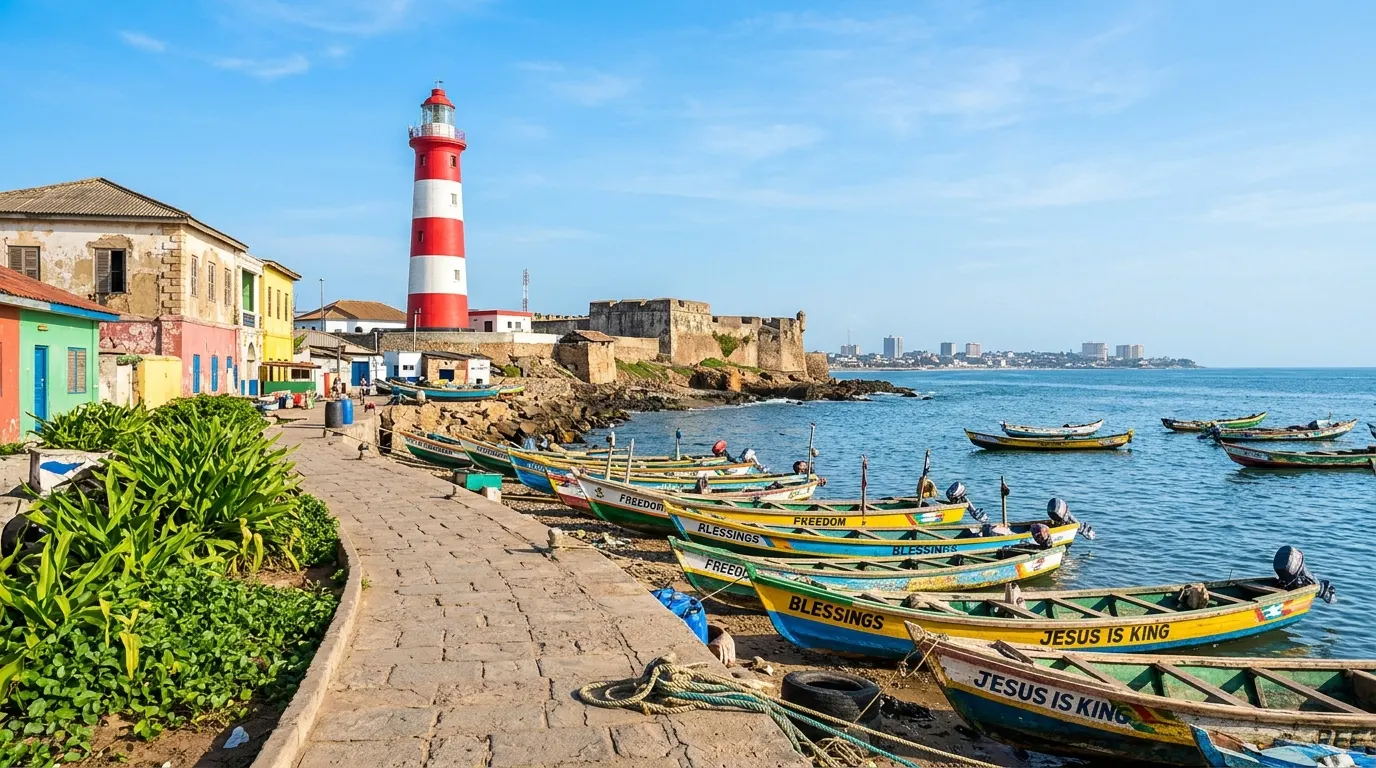
Accra is a city of incredible warmth, color, and historical weight, making it an outstanding entry point into West Africa for families. Our comprehensive City Guide: /city/accra highlights how this coastal capital blends high-energy urban life with profound historical education. For families with older school-aged kids and teens, a visit to Cape Coast Castle or Elmina Castle provides a deeply moving, UNESCO-listed look into the trans-Atlantic slave trade. It requires emotional preparation, but it is an essential historical experience.
For pure adventure, head out to Kakum National Park where a world-famous canopy walkway is suspended 40 meters above a lush West African rainforest. It is thrilling for tweens and teens, though potentially overwhelming for toddlers. If you need a break from the city's hustle, the Aqua Safari Resort offers a lush, riverfront escape where the Volta River meets the Atlantic, providing calm waters and a relaxing atmosphere. When hunger strikes, Auntie Muni's Waakye Joint (Adabraka) is a legendary institution offering a safe and authentic taste of rice and beans served on banana leaves.
🎟️ Find family-friendly tours & activities →
2. Cape Town, South Africa
Cape Town routinely ranks as a top global destination, and for good reason. As detailed in our City Guide: /city/cape-town, it offers an unparalleled mix of dramatic mountain scenery and accessible wildlife. Visiting the African penguins at Boulders Beach is a guaranteed hit for kids of all ages. The V&A Waterfront is highly stroller-friendly, packed with family-oriented restaurants, and serves as the launch point for pirate boat cruises and the incredible Two Oceans Aquarium. The Table Mountain Aerial Cableway rotates 360 degrees as it climbs, keeping kids mesmerized. Expect to spend around $20-$25 USD for adult cable car tickets, with discounts for children.
3. Dubai, United Arab Emirates
If you are looking for seamless infrastructure, Dubai is unmatched. Our City Guide: /city/dubai dives into how this futuristic metropolis caters to families. The stroller accessibility here is phenomenal, from the immaculate Metro system to the expansive Dubai Mall. Dubai is perfect for escaping extreme summer heat, offering massive indoor attractions like Ski Dubai and expansive aquariums. For outdoor fun during the cooler winter months, the Dubai Miracle Garden offers a sensory explosion of floral sculptures that preschoolers adore.
🎟️ Book family tickets & skip-the-line tours →
4. Cairo, Egypt
Cairo is intensely vibrant, loud, and incredibly rewarding for families willing to embrace the chaos. According to our City Guide: /city/cairo, seeing the Pyramids of Giza in person is a core memory for any child who has studied ancient history. Strollers are practically useless in the sandy terrain of the Giza plateau, so a structured baby carrier is essential for toddlers. The new Grand Egyptian Museum is highly anticipated and offers vast, air-conditioned spaces to explore ancient artifacts. Plan your outdoor excursions for the early morning to avoid the midday heat, which can easily exceed 100°F (38°C) in the summer.
5. Amman & Petra, Jordan
Jordan is incredibly welcoming to families. As noted in our City Guide: /city/amman-petra, Amman serves as a comfortable, modern base with excellent food and historical sites like the Roman Theater, where kids can safely climb the ancient stone steps. The real draw, however, is Petra. Navigating the Siq (the narrow gorge leading to the Treasury) feels like stepping into an adventure movie, making it a massive hit with tweens and teens. Hire a donkey or a golf cart for the younger ones when little legs get tired, as the site is expansive.
6. Doha, Qatar
Doha offers a slightly more relaxed pace than Dubai while maintaining world-class amenities, as explored in our City Guide: /city/doha. The National Museum of Qatar is architecturally stunning (designed like a desert rose) and features interactive, high-tech exhibits that keep children engaged. Souq Waqif is one of the cleanest and most accessible traditional markets in the region, perfect for an evening stroll to look at falcons, spices, and textiles. The Corniche offers miles of paved, stroller-friendly walkways with sweeping views of the futuristic skyline.
7. Diani Beach, Kenya
For families seeking a coastal retreat after a safari, Diani Beach is paradise. Our City Guide: /city/diani-beach highlights the brilliant white sands and shallow, warm Indian Ocean waters that are exceptionally safe for young swimmers. The pace here is delightfully slow. Kids will love spotting wild colobus monkeys swinging through the trees at your resort. Glass-bottom boat tours are inexpensive (often around $15-$20 USD per person) and provide an easy way for toddlers and preschoolers to see marine life without needing to snorkel.
8. Arusha, Tanzania
Arusha is the safari capital of East Africa, but it is also a fantastic city to spend a few days adjusting to the time zone before heading into the bush. As detailed in our City Guide: /city/arusha-northern-tanzania, the Cultural Heritage Centre offers a massive collection of African art and a surprisingly calm environment for families to explore. Local coffee plantation tours are great for older kids, showing them exactly how their parents' morning beverage is grown and roasted.
9. Essaouira, Morocco
If the intense bustle of Marrakech feels like too much for your younger kids, Essaouira is the perfect alternative. Featured in our City Guide: /city/essaouira, this coastal Moroccan city boasts a pedestrian-only medina that is much easier to navigate with children. The wide, windy beaches are famous for kite surfing, and teens can take beginner lessons while younger kids enjoy camel rides along the shoreline. The coastal breeze keeps the city comfortably cool even during the peak summer months.
10. Addis Ababa, Ethiopia
Addis Ababa is a high-altitude city with a rich cultural tapestry. Our City Guide: /city/addis-ababa points families toward the National Museum, home to the famous hominid fossil "Lucy," which provides a fascinating evolution lesson for school-aged kids. Entoto Park, located in the hills above the city, offers fresh eucalyptus-scented air, well-maintained walking trails, and modern playgrounds. Ethiopian dining is also inherently family-friendly, as eating injera (a spongy flatbread) with your hands is a tactile experience that kids universally enjoy.
Age-Specific Tips for Traveling in the Middle East & Africa
Toddlers (Ages 2-3)
When exploring these regions with toddlers, your primary focus will be on mobility and hydration. In older cities with ancient medinas or uneven pavement, a heavy-duty, all-terrain stroller is helpful, but a comfortable toddler carrier is often superior. Hydration in hot climates like Doha or Cairo is critical; toddlers can dehydrate rapidly without realizing it. Build midday breaks into your itinerary to escape the peak sun, retreating to air-conditioned spaces like the Impact Hub Accra (Kids Events) or a premium indoor play center like The Little Explorers to let them burn off energy safely.
Preschoolers (Ages 3-5)
Preschoolers thrive on tactile and visual experiences, but they have a low tolerance for long, lecture-based historical tours. Keep museum visits under an hour. In places like Dubai or Cape Town, intersperse cultural sites with dedicated play activities. They will love the sensory experience of a safe, contained beach environment like the Sandbox Beach Club, which offers clean sand and upscale amenities, making it easy for parents to relax while the kids play.
School-Age Kids (Ages 6-10)
This is the golden age for historical sites. Kids in this age bracket are often learning about ancient civilizations in school, so seeing Egyptian pyramids or Roman ruins in Jordan bridges the gap between textbooks and reality. Give them a digital camera or a travel journal to document their findings. They are also old enough to handle gentle outdoor activities, like the Ayi Mensah Trail (Ayi Mensah Park), a scenic hiking route that leads through lush forests and stream crossings.
Tweens and Teens (Ages 11-14)
Teens want autonomy and adventure. Involve them in the planning process by letting them choose a restaurant or navigate a specific neighborhood using a map app. They are the perfect age for high-altitude thrills like the Kwahu Easter Paragliding Festival or taking a deep-dive cultural walking tour like the Omanye House (Jamestown walking tour), where they can interact with local residents and learn about urban street art and history directly from the source.
What to Skip: Overhyped Spots for Families
Even in the most incredible cities, not every famous landmark is suitable for children. Knowing what to bypass can save your family from meltdowns and exhaustion.
- Makola Market: While a vital part of Accra's economy, Makola is characterized by unorganized chaos, crushing crowds, and extremely narrow, sometimes muddy paths. It is physically exhausting for adults and easily overwhelming or unsafe for toddlers and young children.
- Osu Night Market & Osu Nightlife Strip: The night market is famous for street food, but navigating it with kids means dodging open charcoal grills at eye-level and breathing in thick smoke. The surrounding Oxford Street strip lacks continuous sidewalks, features deep open gutters, and transforms into a high-decibel, adult-centric zone after dark.
- Osu Castle (Fort Christiansborg): While historically significant, Osu Castle is a somber site with long, lecture-heavy guided tours that will quickly bore younger children. Families are better off visiting more engaging historical sites or sticking to the coastal resorts.
Pro Tips from Parents for Visiting These Regions
Navigating new continents with children requires a few practical adjustments to your daily routine. Here are some insider tips to keep your days running smoothly:
- Prioritize Water Safety: In many of these destinations, tap water is not safe for drinking or brushing teeth. Stick to reputable bottled water brands (like Voltic or Bel-Aqua in West Africa) rather than the ubiquitous "sachet water" sold on the streets, which can have inconsistent filtration standards.
- Plan Your Potty Breaks: Public restrooms are nearly non-existent or heavily under-maintained in many bustling city centers. Plan your bathroom breaks around major shopping centers, upscale restaurants, or high-end hotels where facilities are clean and reliable.
- Use Ride-Hailing Apps: Download Uber, Bolt, or local equivalents like Careem before you arrive. These apps allow you to avoid the stress of haggling with street taxi drivers, provide upfront pricing, and ensure you have a digital record of your route.
- Pack for the Climate Quirks: If you are visiting West Africa during the Harmattan season (December to February), the dry, dusty winds can cause nosebleeds and dry skin. Pack extra heavy-duty moisturizer and saline nasal spray for your kids to keep them comfortable.
Conclusion
Taking your children to explore the diverse cultures, landscapes, and histories of these regions is a profound gift. It requires a bit more preparation than a standard resort vacation, but the payoff is immense. By pacing your days, respecting local customs, and utilizing modern conveniences where available, you will find that the best family cities in middle east & africa offer a backdrop for memories that your children will carry with them for a lifetime. Embrace the warmth of the locals, savor the incredible foods, and enjoy the beautiful, chaotic, and wondrous journey together.