Planning an overseas trip with children requires balancing high-energy activities with easy logistics, safe environments, and engaging culture. Finding the right destination can make the difference between an exhausting trip and a deeply rewarding family adventure. To help you narrow down your itinerary, we have compiled a guide to the best family cities in europe, focusing on destinations that offer incredible experiences for parents and children alike.
Whether your family thrives on outdoor adventures, interactive science museums, or simply wandering through cobblestone streets with a pastry in hand, Europe offers a wealth of options. This guide dives into highly walkable hubs, stroller-friendly capitals, and coastal towns where ancient history meets modern family convenience.
1. The Algarve, Portugal (Coastal Region Hub)
While technically a region rather than a single city, the collection of towns making up the Algarve functions perfectly as a cohesive family destination. It is famous for kayaking through sea caves, spotting wild dolphins, and building sandcastles on golden shores.
For beach days, Praia da Falésia is a standout. This stunning 6km stretch of golden sand is backed by dramatic ochre cliffs and offers some of the safest, calmest waters for little swimmers. If you want a unique landscape, head to Praia de Odeceixe, a phenomenal 'two-for-one' beach where the Seixe River loops around a massive sandbar to meet the Atlantic. Toddlers can splash in the warm, shallow river side, while older kids boogie board in the ocean.
Base yourself near the Lagos Old Town, a charming, pedestrian-friendly maze of whitewashed buildings and cobblestone streets enclosed by ancient walls. It is highly stroller-accessible and packed with family-friendly cafes. From Lagos, you can book a Kayak Tour to Ponta da Piedade to paddle through iconic golden sea caves and rock arches.
For an unforgettable marine experience, Zoomarine Algarve is Portugal's premier family attraction, blending a marine life park with a water park. You can also take to the open ocean for Dolphin Watching with Dream Wave Algarve out of Vilamoura, combining a thrilling jet boat ride with marine biology education.
🎟️ Find family-friendly tours & activities →
Practical Details:
- Costs: Beach access is free. Zoomarine tickets run roughly €29-€39 ($31-$42 USD).
- Best Time to Visit: May, June, and September offer warm water without the peak August crowds.
- Food: Beachside cafes (kiosks) serve excellent grilled fish and simple toasties (tosta mista) that kids love.
- Bonus Trip: From the eastern Algarve, you can easily take a Day Trip to Seville (Spain) to marvel at the massive Seville Cathedral.
2. Amsterdam, Netherlands
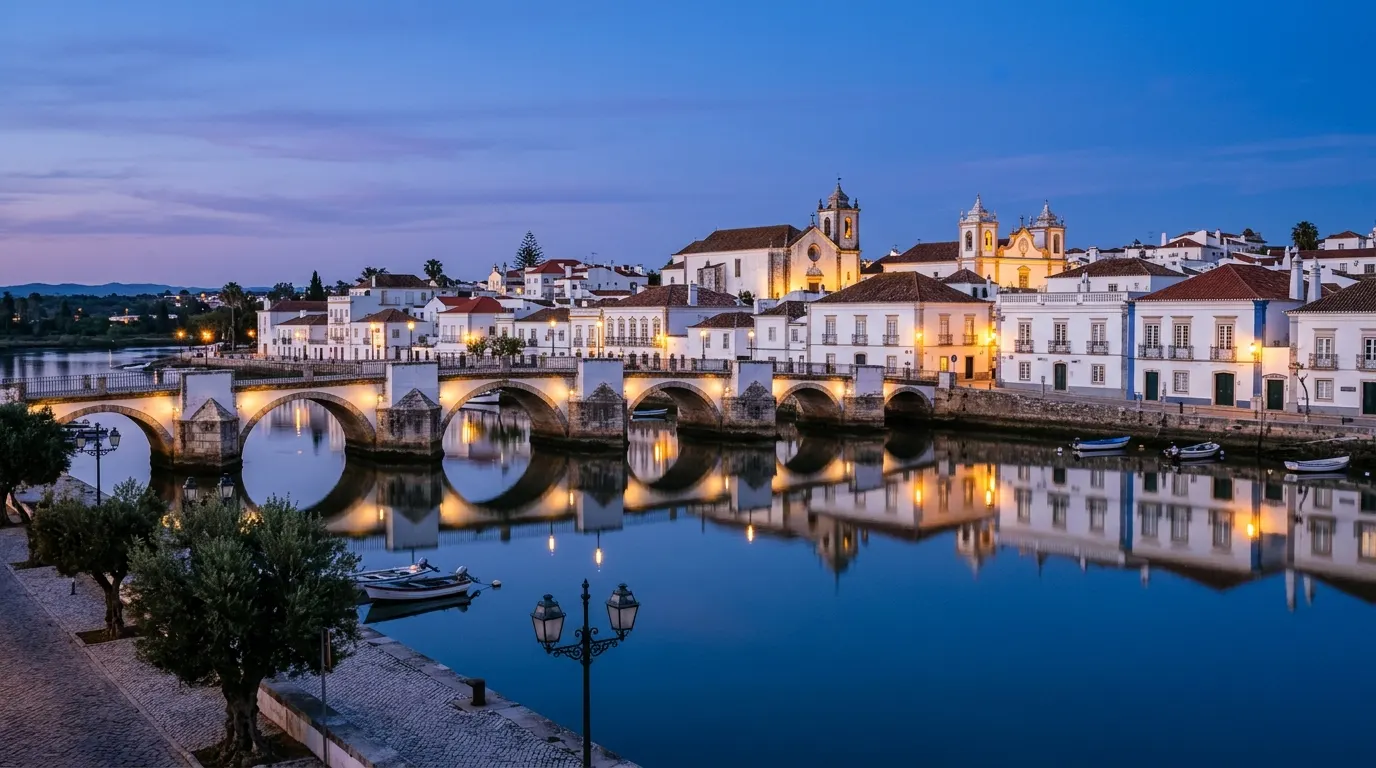
Amsterdam is remarkably well-suited for families, provided you teach your children early on to watch out for the dedicated bicycle lanes. The city’s flat terrain makes pushing a stroller effortless, and the sprawling parks provide essential green space for kids to burn off energy.
The NEMO Science Museum is a must-do. Housed in a building shaped like a giant green ship, it offers five floors of hands-on exhibits covering everything from physics to human biology. The rooftop plaza features a cascading water feature where kids can splash safely while parents enjoy panoramic views of the city. Vondelpark is another daily staple for visiting families, featuring multiple playgrounds, shallow wading pools in the summer, and cafes right next to the play structures so you can sip a coffee while keeping an eye on the kids.
Practical Details:
- Costs: NEMO Science Museum is €17.50 (~$19 USD) for ages 4 and up. Vondelpark is completely free.
- Getting Around: Trams are highly stroller-accessible. Ferries across the IJ river to Amsterdam Noord are free and a fun mini-adventure for toddlers.
- Food: Dutch pancakes (pannenkoeken) are a guaranteed hit. They are massive, crepe-like, and can be ordered sweet or savory.
3. Barcelona, Spain
The vibrant energy of Barcelona captivates children instantly. The whimsical architecture of Antoni Gaudí feels like stepping into a fairytale. Park Güell, with its colorful mosaic lizards and gingerbread-style gatehouses, offers wide paths that are mostly manageable with a robust stroller, though a baby carrier is easier for the steeper staircases.
Beyond the architecture, Barcelona boasts excellent city beaches. Barceloneta is the most famous, but heading slightly further north to Bogatell provides a cleaner, calmer stretch of sand with excellent climbing structures right on the promenade. The CosmoCaixa science museum is another brilliant rainy-day or heat-wave option, featuring an indoor flooded Amazon rainforest complete with capybaras and piranhas.
🎟️ Book family tickets & skip-the-line tours →
Practical Details:
- Costs: Park Güell is €10 (~$11 USD) for adults, €7 (~$8 USD) for kids 7-12, under 7 free. CosmoCaixa is a bargain at €6 (~$6.50 USD).
- Pacing: Spanish dining times are notoriously late. Plan for large lunches around 1:30 PM and rely on casual tapas or street food like churros for an early evening meal.
- Stroller Accessibility: The Gothic Quarter has some uneven cobblestones, but the main promenades like Passeig de Gràcia are perfectly smooth.
4. Berlin, Germany
Berlin is arguably the most spacious capital in Western Europe. The sidewalks are incredibly wide, making it a dream for navigating double strollers. It is also famous for its "Spielplätze" (playgrounds). These are not standard plastic swing sets; they are elaborate wooden structures featuring pirate ships, massive climbing nets, and interactive water pumps where kids can build mud dams.
The Museum of Natural History (Museum für Naturkunde) is home to Tristan Otto, one of the most complete T-Rex skeletons in the world, which never fails to leave school-aged children wide-eyed. For a dose of history handled in an accessible way, the DDR Museum offers highly interactive exhibits where kids can sit in vintage Trabant cars and open cupboards in a recreated East German apartment.
Practical Details:
- Costs: Natural History Museum is €11 (~$12 USD) for adults, €5 (~$5.50 USD) for kids.
- Transit: The U-Bahn and S-Bahn systems are efficient, and almost all stations have reliable elevators for strollers.
- Food: Currywurst and pretzels are ubiquitous, cheap, and generally very popular with young palates.
5. Budapest, Hungary
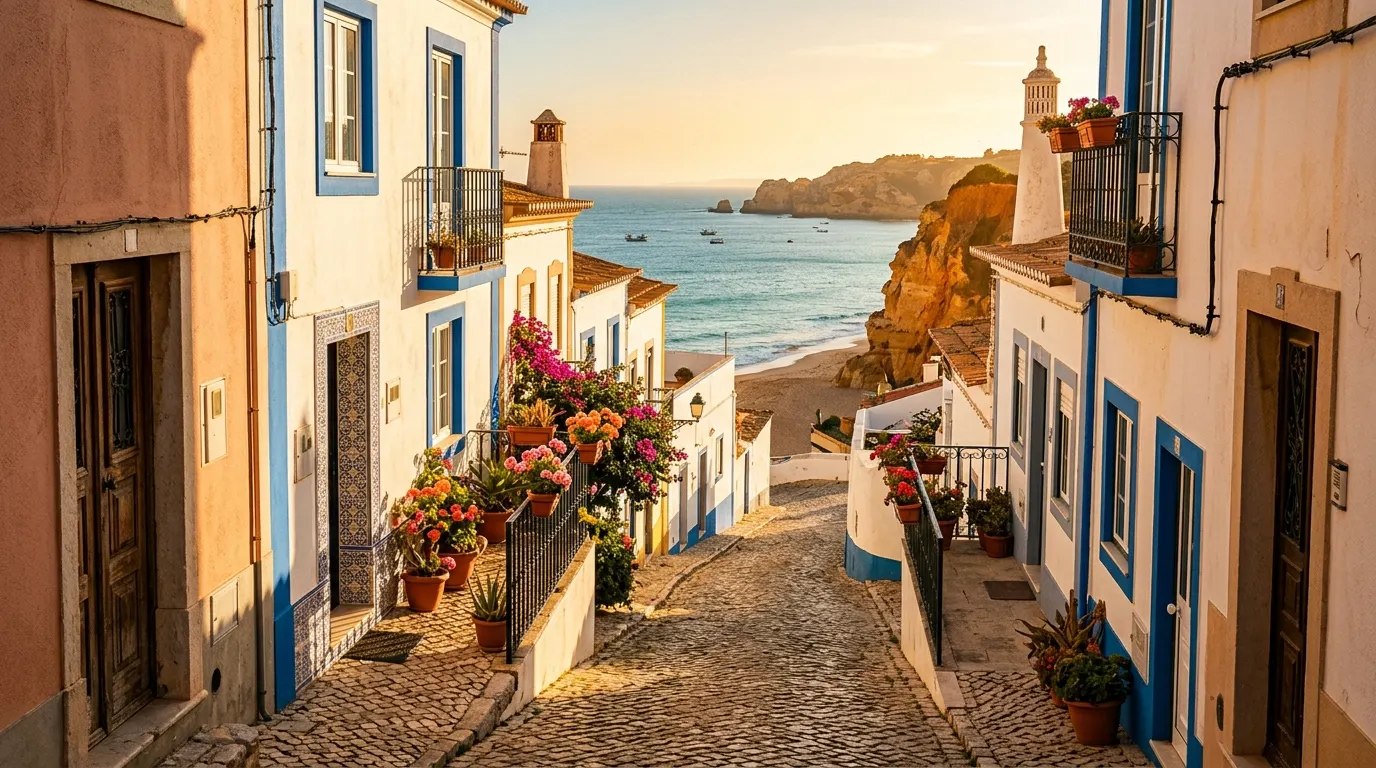
Budapest straddles the Danube River and offers a brilliant mix of grand architecture and unique family experiences. The city is famous for its thermal baths. While some are quiet and adult-focused, the massive Széchenyi Thermal Bath features outdoor whirlpools and a lazy river that older kids will love. The Gellért Baths also offer a fantastic outdoor wave pool during the summer months.
Margaret Island is a massive, car-free park sitting in the middle of the river. You can rent pedal carts that fit the whole family, visit the small musical fountain, and explore the petting zoo. Taking the historic funicular railway up to Buda Castle is another low-effort, high-reward activity that saves little legs from a steep climb while providing excellent views over the city.
Practical Details:
- Costs: Bath entry varies but expect around €25-€30 ($27-$32 USD) per person. Family pedal cart rentals on Margaret Island are roughly €15 ($16 USD) per hour.
- Accessibility: Buda is hilly and cobblestoned (bring a carrier), while Pest is flat and easy for strollers.
- Food: Chimney cake (Kürtőskalács), a sweet dough roasted over charcoal and rolled in sugar, is the ultimate street snack.
6. Brussels & Bruges, Belgium
Combining Brussels and Bruges gives families a taste of a bustling international hub and a storybook medieval town. In Brussels, the Comic Strip Center celebrates the birthplace of Tintin and the Smurfs. You can also spend an afternoon hunting down the giant comic book murals painted on the sides of buildings throughout the city center.
A short, incredibly easy train ride brings you to Bruges. The compact, pedestrian-friendly core is perfect for wandering. Taking a half-hour canal boat tour provides a wonderful vantage point of the medieval architecture without requiring kids to walk.
Practical Details:
- Costs: Train tickets between Brussels and Bruges are heavily discounted for children under 12.
- Duration: Spend 2-3 days in Brussels and 1-2 days in Bruges.
- Food: This is the easiest sell in Europe: Belgian waffles (grab the dense, sugary Liège variety from street windows) and world-class chocolate shops on every corner.
7. Bergen, Norway
For families who prioritize nature and outdoor adventure, Bergen is spectacular. Known as the gateway to the fjords, the city itself is highly walkable and incredibly safe. The absolute highlight for kids is taking the Fløibanen funicular up Mount Fløyen. At the top, you are greeted with sweeping views of the harbor and immediate access to a phenomenal playground and the "Troll Forest"—a series of wooded trails dotted with carved wooden troll statues.
Down by the harbor, the Bergen Aquarium provides an excellent few hours of entertainment with penguins, sea lions, and local marine life. The historic Bryggen district, with its leaning, colorful wooden buildings, feels like exploring a real-life movie set.
Practical Details:
- Costs: Norway is expensive. Funicular round-trip is ~160 NOK ($15 USD) for adults, half-price for kids.
- Weather: Bergen is one of the rainiest cities in Europe. Pack high-quality rain gear and waterproof boots for the whole family, and you will have a fantastic time regardless of the weather.
- Strollers: The funicular accommodates strollers easily, and the main paths at the top of Mount Fløyen are wide and gravel-paved.
8. Athens, Greece
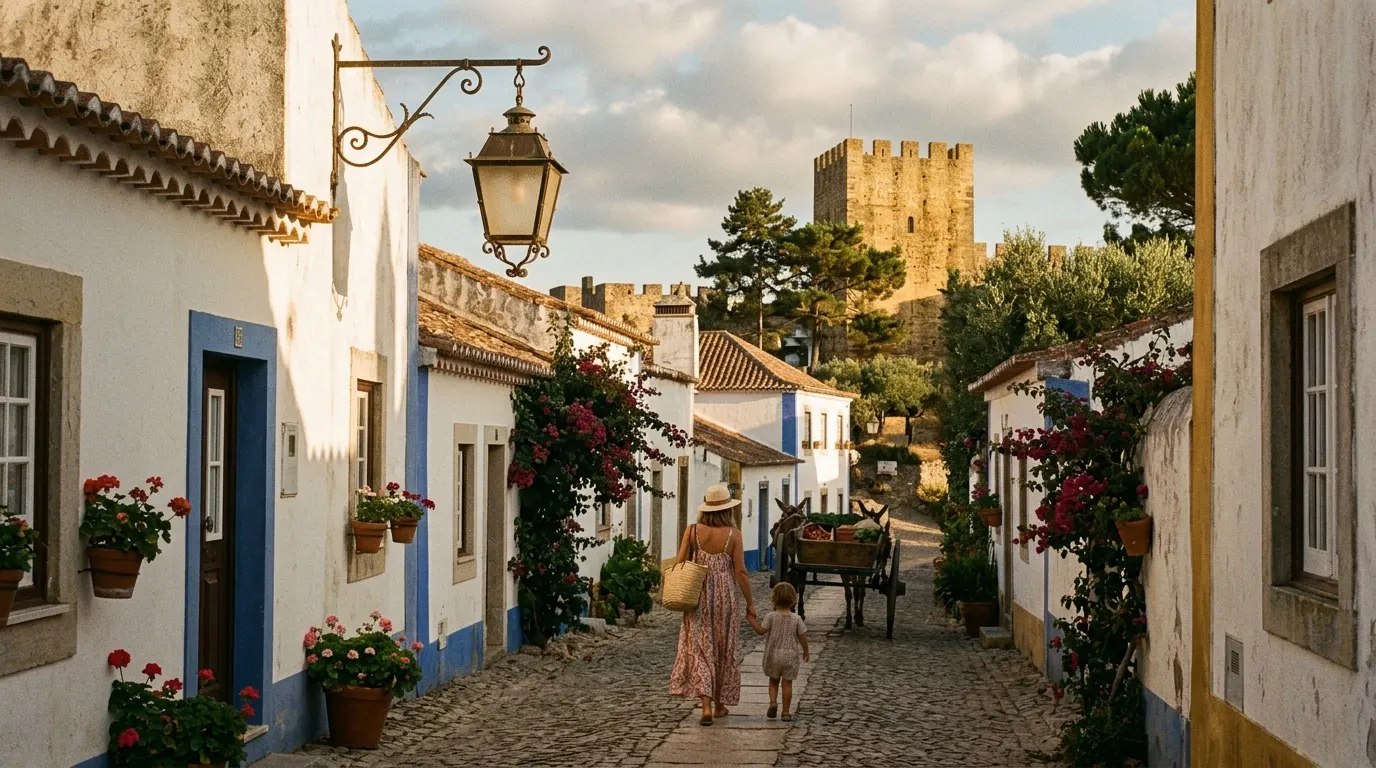
Athens brings ancient mythology to life. Standing at the base of the Acropolis is awe-inspiring for kids who have read Percy Jackson or studied Greek myths. To avoid the intense heat and crowds, visit the Acropolis right at opening time (8:00 AM). The ground is rocky, slippery, and uneven—leave the stroller at the hotel and use a baby carrier for infants and toddlers.
Afterward, head to the air-conditioned Acropolis Museum, which is incredibly spacious, highly stroller-friendly, and features glass floors looking down into active archaeological excavations. The National Gardens provide a massive, shaded sanctuary in the middle of the city with a small duck pond and a playground.
🎟️ Find family-friendly tours & activities →
Practical Details:
- Costs: Acropolis entry is €20 ($22 USD), but EU citizens under 25 and non-EU citizens under 5 are often free.
- Food: Souvlaki and gyros are fast, cheap, and very kid-friendly. Bakeries sell spanakopita (spinach and feta pie) which makes a great portable lunch.
- Pacing: Plan for early morning activities, a long midday rest at the hotel, and late afternoon exploration.
9. Bordeaux, France
Often overlooked in favor of Paris, Bordeaux is a phenomenal, highly manageable city for families. The entire historic center is flat, largely pedestrianized, and connected by a sleek, modern tram system that rolls flush with the pavement, making stroller roll-on/roll-off completely seamless.
The star attraction for young kids is the Miroir d'Eau (Water Mirror). Located right on the Garonne riverfront, it is the world's largest reflecting pool. It cycles between a shallow two-centimeter pool of water and an atmospheric cooling fog. Kids run, splash, and play here for hours while parents relax on the steps. Across the river, the Darwin Eco-système is an alternative hub featuring an indoor skatepark, massive street art murals, and a huge organic restaurant with plenty of space for kids to roam.
Practical Details:
- Costs: The Miroir d'Eau is completely free. Tram tickets are roughly €1.70 ($1.85 USD) per ride.
- Food: Bakeries (boulangeries) provide endless cheap, delicious options for breakfast and lunch. Grab fresh baguettes, cheese, and fruit from the Marché des Capucins for an easy picnic.
- Duration: 3 days is the perfect amount of time to explore at a relaxed pace.
10. Brno, Czechia
If you want to avoid the massive crowds of Prague, Brno is an incredible under-the-radar gem. It is highly affordable, easy to navigate, and packed with unique attractions. The VIDA! Science Centre is a massive, modern interactive museum with a dedicated section for toddlers and complex physics experiments for teens.
Just outside the city, the Punkva Caves offer a brilliant half-day trip. You walk through massive, beautifully lit stalactite caverns before boarding a small boat to navigate an underground river. Back in the city center, Špilberk Castle provides sprawling grounds to run around and explore ancient fortifications.
Practical Details:
- Costs: Exceptional value. VIDA! Science Centre family tickets are around €25 ($27 USD) total. Meals out are significantly cheaper than in Western Europe.
- Getting Around: The city relies on a network of red trams that are frequent and easy to use.
- Food: Hearty Czech food like roast pork, dumplings, and sweet fruit-filled pastries keep kids fueled up.
Age-Specific Tips for the Best Family Cities in Europe
Tailoring your itinerary to your children's developmental stages is crucial when exploring the best family cities in europe.
Toddlers (Ages 2-3)
Focus on cities with flat, pedestrian-friendly zones and ample green space. Bordeaux’s flat tram system and the wide, accommodating sidewalks of Berlin are top-tier choices. Prioritize open-ended play over structured tours. In the Algarve, spend your mornings at the calm, shallow waters of Praia da Falésia and keep afternoons open for naps.
Preschoolers (Ages 3-5)
Kids this age need tactile, interactive experiences. They will love the splash zones at Amsterdam's NEMO museum and the fairytale architecture of Park Güell in Barcelona. Avoid overbooking; one main activity per day is plenty. If visiting Portugal, Praia Verde offers a stunning, pine-fringed stretch of white sand that feels like a nature reserve, perfect for supervised exploring.
School-Age (Ages 6-10)
This is the golden age for European travel. They can handle longer walks and are capable of engaging with history. The mythology of Athens and the interactive spy exhibits in Berlin will captivate them. For high energy, book the Leaozinho Pirate Ship out of Vilamoura Marina—a 2.5-hour coastal cruise on a replica pirate ship featuring a live pirate show and treasure hunt.
Tweens & Teens (Ages 11-14)
Teens need autonomy and a bit of thrill. Let them navigate the public transit systems in Brussels or Budapest. They will appreciate the street art in Bordeaux's Darwin Eco-système and the independence of exploring local food markets. In the Algarve, skip the basic boat tours and book a Kayak Tour to Ponta da Piedade so they can actively paddle through the golden sea caves themselves.
What to Skip When Visiting the Best Family Cities in Europe
Not every heavily marketed tourist attraction is worth your family's time or money. When looking at coastal hubs like the Algarve, here are a few things we strongly recommend skipping:
- Albufeira Marina Parasailing: The hassle-to-fun ratio here is poor for families. You will pay a premium (often €40-€60 per person) for a very short flight. You spend most of your time sitting on a crowded boat waiting for other passengers to take their turns, which quickly leads to bored, restless kids.
- Benagil Cave Swimming Access: You will see influencers doing this, but attempting to swim to the famous Benagil Cave from the nearby beach is extremely dangerous. The Atlantic currents are powerful, and the cave entrance is a high-traffic transit hub for motorboats. It is highly unsafe for children. Take a guided boat or kayak tour instead.
- Aqualand Algarve Big One Ride: Extreme water slides like the "Big One" or the "Kamikaze" are logistical traps. The height restrictions will likely split your family up, the wait times in the unshaded sun are brutal, and the ride itself lasts seconds. Stick to parks like Zoomarine Algarve which offer a better balance of shows, pools, and manageable rides for the whole family.
- Albufeira Tourist Train: While it looks like a fun novelty for toddlers, this "train" is actually a tractor-pulled carriage. It frequently gets stuck in heavy road traffic, meaning you spend your time breathing in exhaust fumes while moving slower than walking pace.
Pro Tips from Parents
- Map the Playgrounds: Before you leave your hotel each morning, drop a pin on a playground near your intended sightseeing destination. Promising a playground stop is the best currency for getting kids through a museum or cathedral.
- Embrace the Grocery Store: Do not try to eat three restaurant meals a day. European supermarkets are fantastic. Grab fresh bread, local cheeses, sliced meats, and fruit for a picnic lunch in a city park. It saves money and spares you the stress of keeping kids seated in a cafe.
- Download Transit Apps: Every major city has a local transit app (like BVG in Berlin or GVB in Amsterdam). Download them and set up your payment methods before you leave home so you aren't fumbling with ticket machines while holding onto toddlers.
- Shift Your Schedule: If you are visiting Spain, Portugal, or Greece, adopt the local rhythm. Head out early to beat the heat, go back to your accommodation for a long afternoon rest between 2 PM and 5 PM, and stay out later in the evening when the squares come alive with local families.
Exploring the best family cities in europe is about finding the sweet spot between cultural enrichment and childhood joy. By choosing destinations that naturally accommodate the pace of family life—whether through expansive parks, excellent public transit, or simply a culture that welcomes children in public spaces—you set yourself up for a memorable and genuinely enjoyable trip. Pack comfortable shoes, keep your itinerary flexible, and enjoy the adventure.