Traveling with children across different time zones and cultures is a massive undertaking, requiring equal parts meticulous planning and on-the-fly flexibility. When searching for the best family cities in Asia Pacific, parents need destinations that offer a delicate balance: robust infrastructure to make daily logistics manageable, alongside enough vibrant culture, nature, and adventure to make the long-haul flight worthwhile. The Asia Pacific region is brilliantly diverse, offering everything from volcanic island hopping in the Southern Hemisphere to ancient temple explorations in Southeast Asia.
Whether you are navigating the sensory-rich streets of a bustling metropolis with a baby carrier or negotiating with a teenager about waking up early for a wildlife tour, choosing the right base city dictates the rhythm of your entire trip. Below is a comprehensive guide to the top urban destinations in the region, detailing exactly how to tackle them with kids in tow, complete with practical logistics, costs, and strategic advice to maximize your family’s experience.
1. Auckland, New Zealand: The Ultimate Outdoor Basecamp
Auckland consistently ranks as one of the best family cities in Asia Pacific because it flawlessly merges urban convenience with wild, accessible nature. You can start your morning with world-class coffee and end it walking through ancient volcanic landscapes. For a complete deep-dive, bookmark our Auckland City Guide.
The city is built around the water, making transport an adventure in itself. Grab an AT Hop card and take the Fullers360 Ferry to Devonport. This 12-minute commute across the harbor costs around $8 NZD ($5 USD) for adults and is heavily discounted for kids, doubling as a high-value sightseeing tour. Once in Devonport, the Torpedo Bay Navy Museum is a compact, highly engaging space that brings naval history to life with interactive exhibits perfect for school-aged kids.
For wildlife encounters, Auckland is unmatched. Head out to the Goat Island Marine Reserve (Cape Rodney-Okakari Point Marine Reserve) for world-class snorkeling where massive snapper swim right up to your mask. If you prefer staying dry, Tiritiri Matangi Island is a predator-free open sanctuary where rare native birds like the Takahē roam freely. Closer to the city center, SEA LIFE Kelly Tarlton's Aquarium, built into repurposed underground tanks, offers a spectacular sub-Antarctic penguin enclosure (entry is roughly $45 NZD / $27 USD for adults, booking online saves time). Toddlers will completely lose their minds at Ambury Regional Park, a completely free working farm on the edge of the Manukau Harbour where they can get face-to-face with sheep and cows.
For high-energy kids and teens, the SkyWalk (Sky Tower) provides a high-adrenaline guided walk around a 1.2-meter wide ledge 192 meters above the ground. Adventurous families should also budget half a day for the Rangitoto Lava Caves, a 600-year-old volcanic landscape requiring sturdy shoes and flashlights.
🎟️ Book family tickets & skip-the-line tours →
When it’s time to eat and play, the Wynyard Quarter Playground (Daldy Street Linear Park) features a 7-meter silo-inspired climbing tower. Treat the kids to Giapo Ice Cream—more of an edible art gallery serving gravity-defying sculptures than a standard scoop shop. For parents needing a breather, Hallertau Brewery (Riverhead) is widely regarded as Auckland's most parent-friendly brewery, pairing craft beer with an enclosed outdoor playground. If you are visiting on a weekend, the Hobsonville Point Farmers Market offers gourmet food stalls inside a historic seaplane hangar. For downtime, head to Kohimarama Beach, a quieter alternative to Mission Bay with calm, shallow water. Alternatively, take a day trip to Tāwharanui Regional Park for pristine white-sand beaches, or visit Whoa! Studios, a boutique film studio featuring high-quality puppet theater and a gourmet restaurant.
2. Bali, Indonesia: Culture and Beaches for All Ages
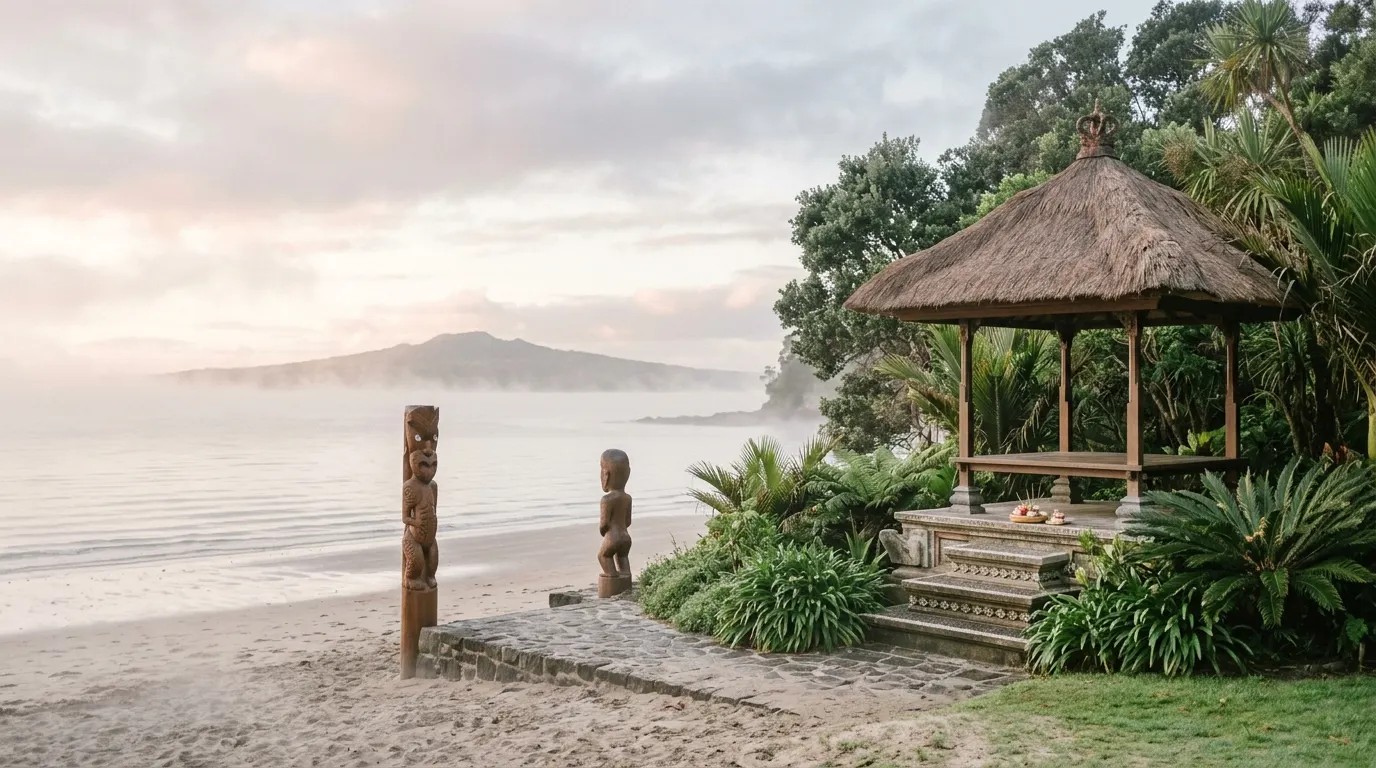
While technically a province rather than a single city, southern Bali (spanning from Sanur to Seminyak) functions as a sprawling urban hub deeply intertwined with Hindu culture and tropical beaches. You can explore our full breakdown in the Bali City Guide.
Bali is incredibly welcoming to children; the local culture reveres family. However, the infrastructure can be challenging. Sidewalks in areas like Canggu and Seminyak are often broken or non-existent, making strollers a massive liability. Opt for baby carriers for infants and toddlers. Base yourselves in Sanur or Nusa Dua if you want calm, swimmable beaches and paved seaside paths. A typical day might start at 7:00 AM to beat the intense midday heat and humidity. Visit the Sacred Monkey Forest in Ubud early, but keep a tight hold on your belongings and teach children not to make direct eye contact with the macaques. Food is highly accessible, with local warungs offering mild nasi goreng (fried rice) for around 30,000 IDR ($2 USD), while western cafes provide high chairs and familiar meals.
🎟️ Find family-friendly tours & activities →
3. Bangkok, Thailand: Temples, Tuk-Tuks, and Tropical Parks
Bangkok is an intense, sensory-overload destination that rewards families who pace themselves. Read our extensive Bangkok City Guide for neighborhood-specific advice.
The heat in Bangkok is a physical force, so plan your outdoor excursions—like the Grand Palace or Wat Pho—for the absolute minute they open (usually 8:30 AM). By 11:00 AM, retreat to the aggressive air-conditioning of the city's mega-malls, like Siam Paragon, which houses an immense aquarium and excellent food courts where a plate of Pad Thai costs about 60 THB ($1.75 USD). The BTS Skytrain is your best friend here; it is fast, cheap, and bypasses the city's legendary gridlock traffic. Note that while major malls and the Skytrain are stroller-accessible, street markets are not. Lumphini Park is fantastic in the late afternoon (around 5:00 PM) for letting kids run off energy while spotting massive monitor lizards lounging by the lake.
4. Beijing, China: Ancient History Brought to Life
Beijing offers children a tangible connection to world history on a massive scale. Check our Beijing City Guide for visa and logistics tips.
Navigating Beijing requires a bit of tech preparation—downloading Alipay or WeChat Pay is essential, as cash is rarely accepted, and you will need a reliable VPN. When visiting the Great Wall, skip the crowded Badaling section and hire a driver to Mutianyu. Mutianyu offers a cable car up (perfect for tired little legs) and a thrilling toboggan ride down that older kids and teens will talk about for years. The Forbidden City is vast; budget at least three hours and bring your own snacks and water, as inside options are limited and expensive. Strollers are manageable in the major imperial sites but can be cumbersome in the narrow, historic hutong alleyways.
5. Busan, South Korea: Coastal Charm and Colorful Villages
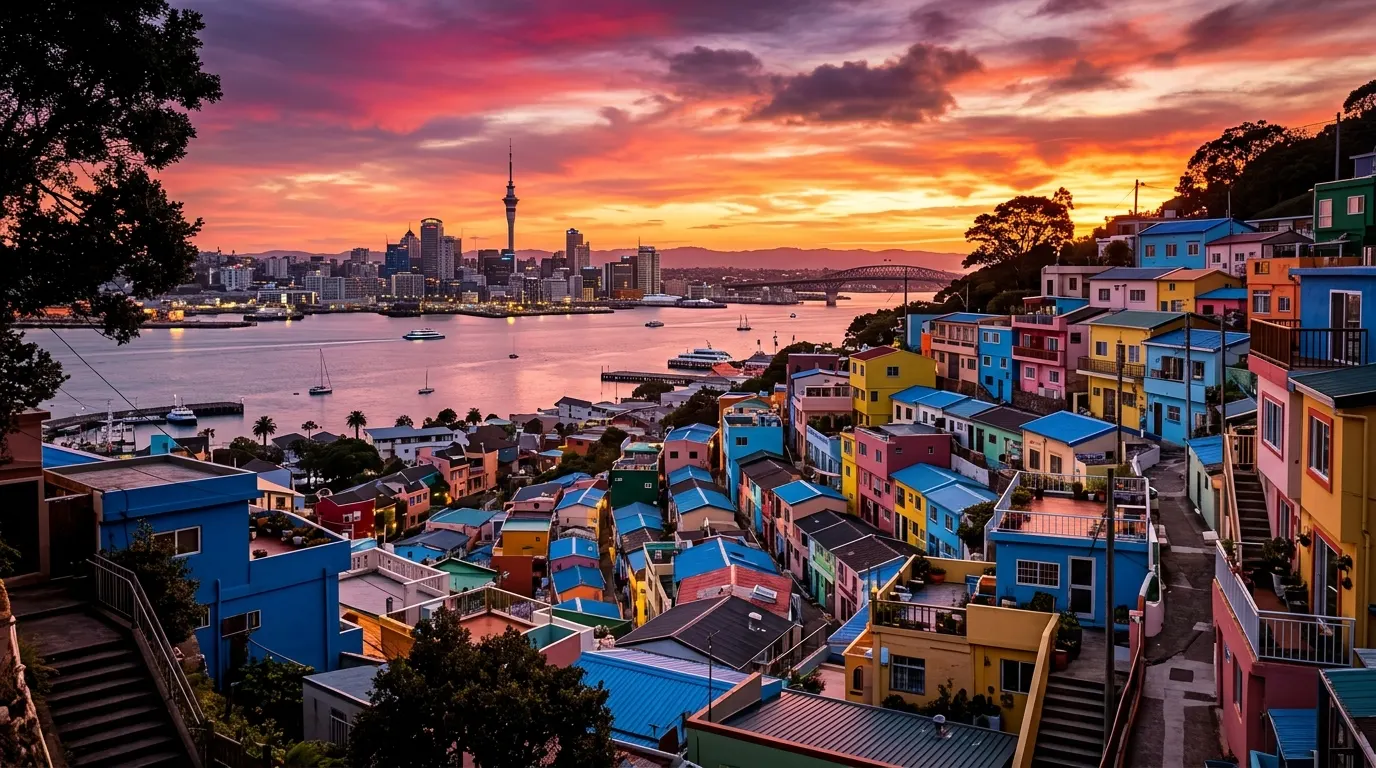
Often overshadowed by Seoul, Busan is arguably more relaxing for families due to its coastal pacing. Dive into the specifics in our Busan City Guide.
Haeundae Beach is the centerpiece, offering wide, clean sands and a fantastic boardwalk lined with family-friendly restaurants. The Sea Life Busan Aquarium, located right on the beach, is a great rainy-day backup. Gamcheon Culture Village, with its brightly painted terrace houses spilling down the hillside, is visually stunning but extremely steep; leave the stroller at the hotel and use a carrier. Public transport is pristine and efficient. A family favorite is the Haeundae Blueline Park, where you can ride colorful, retro-style capsule trains along the dramatic coastline—book these tickets well in advance as they sell out quickly.
6. Cebu & The Visayas, Philippines: Ocean Adventures
If your family’s priority is marine life and island hopping, Cebu is a phenomenal launchpad. Learn more in our Cebu & The Visayas City Guide.
Cebu City itself is heavily congested, so use it primarily as a transit hub to reach the coastal areas. Mactan Island, close to the airport, is packed with family resorts offering vast pools and private beaches. For active families, heading south to Moalboal allows older kids to snorkel the famous sardine run—millions of fish moving in synchronized clouds just offshore. Sun protection is critical here; invest in high-quality, full-sleeve rash guards for the kids, as the equatorial sun is brutal and sunscreen washes off quickly in the warm ocean water.
7. Chengdu, China: Pandas and Parks
Chengdu operates at a slower, more relaxed pace than China’s eastern megacities, making it highly palatable for traveling parents. Find our local recommendations in the Chengdu City Guide.
The primary draw is, unequivocally, the Giant Panda Breeding Research Base. To do this right with kids, you must arrive at the gates exactly when they open at 7:30 AM. Pandas are active and eating in the cool morning air; by 10:00 AM, they are mostly asleep in the bushes. Beyond pandas, Chengdu is famous for its teahouse culture. Spend an afternoon in People’s Park, where parents can sip jasmine tea and get a traditional ear-cleaning while kids watch locals practice calligraphy with massive water brushes on the pavement. Be cautious with the local cuisine; Sichuan food is famously spicy, so learn the phrase "bù là" (not spicy) when ordering for children.
8. Chiang Mai, Thailand: Gentle Culture and Elephant Sanctuaries
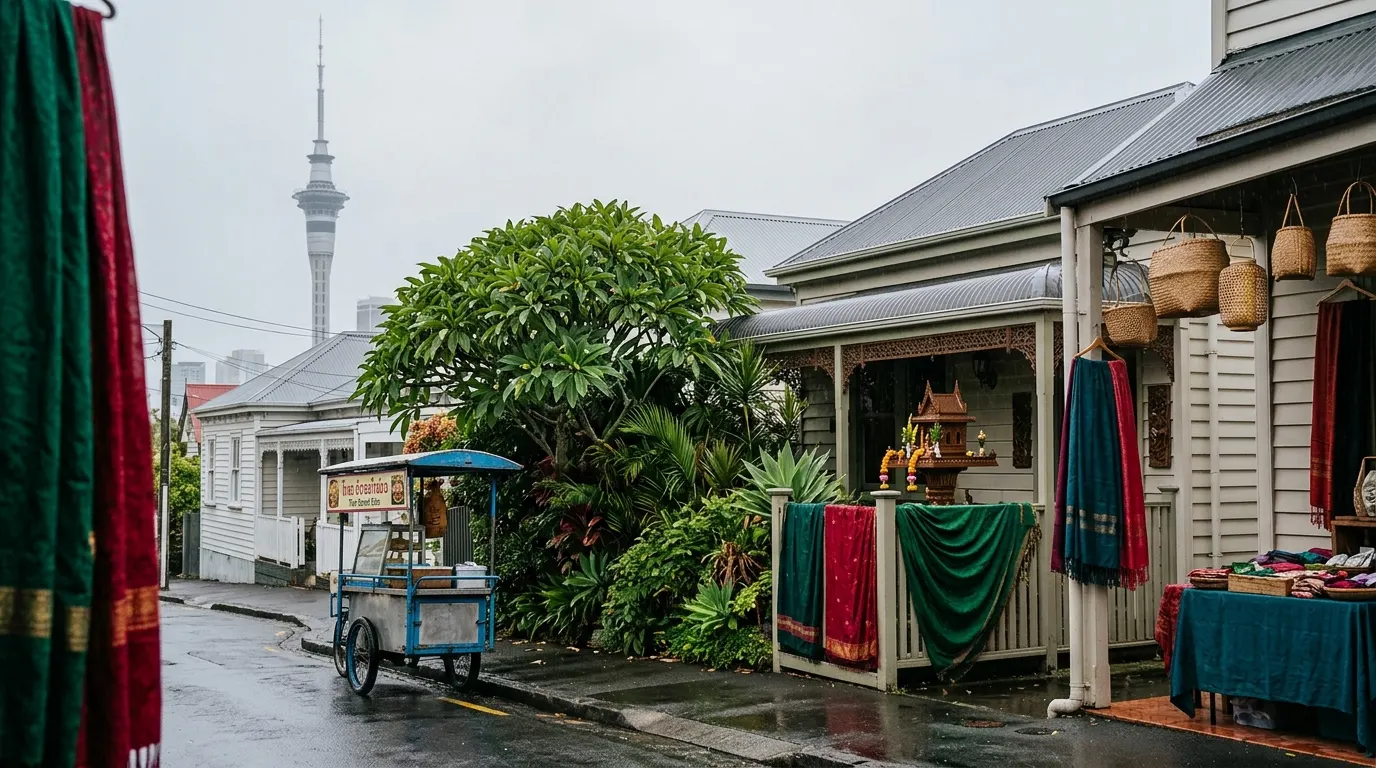
Surrounded by mountains, Chiang Mai offers a gentler, cooler alternative to Bangkok’s urban chaos. Read the full Chiang Mai City Guide.
The old city, surrounded by a moat, is highly walkable in the mornings, though sidewalks can be uneven. The standout experience for families is visiting an ethical elephant sanctuary. Research heavily to ensure you book a "no-riding" sanctuary where kids can help prepare food and bathe the elephants in the river. The Sunday Walking Street market is vibrant and full of handmade crafts, but it gets overwhelmingly crowded by 7:00 PM; go at 5:00 PM to grab cheap, delicious street food (like mango sticky rice for 50 THB / $1.50 USD) and exit before the shoulder-to-shoulder crowds arrive.
9. Chongqing, China: Cyberpunk Cityscapes and River Cruises
Chongqing is visually astonishing—a multi-layered, neon-lit megacity built into steep mountains at the confluence of the Yangtze and Jialing rivers. Explore our Chongqing City Guide before you go.
Because of the extreme verticality of the city, strollers are entirely useless here. Expect endless stairs and elevators that connect different street levels. Kids are usually fascinated by the Liziba Monorail Station, where the train passes directly through a residential apartment building. A night cruise on the Yangtze River is inexpensive and offers spectacular views of the illuminated skyline, keeping kids contained and entertained without walking. Hotpot is the local staple; ask for a split pot (Yuan Yang Guo) so the kids can cook their meats and vegetables in a mild mushroom or tomato broth while adults tackle the fiery chili oil side.
10. Colombo, Sri Lanka: A Gateway to Island Wonders
Colombo is a rapidly developing city that serves as the perfect introduction to Sri Lanka’s rich culture and wildlife. Get the details in our Colombo City Guide.
Getting around via tuk-tuk is incredibly cheap and highly thrilling for children—just ensure you use the PickMe app to book metered rides and avoid negotiation hassles. Galle Face Green is a must-visit in the late afternoon. This ocean-side urban park comes alive as the sun sets, with local families flying kites and vendors selling crispy prawn fritters (pack wet wipes, as it gets messy). Colombo is hot year-round, so book accommodation with a pool to provide a midday reset for the kids before heading out for late afternoon explorations.
Navigating the Best Family Cities in Asia Pacific by Age Group
Different developmental stages require entirely different travel strategies. Here is how to tailor your Asia Pacific city adventures based on your children's ages.
Toddlers (2-3 years)
Routine and physical comfort are paramount. Cities with extreme heat or broken sidewalks require strategic planning. In places like Bali or Bangkok, prioritize baby carriers over strollers. In Auckland, lean into wide-open, safe spaces like Ambury Regional Park, where toddlers can safely interact with farm animals at their own pace. Always schedule a hard midday break for naps in air-conditioned or shaded environments.
Preschoolers (3-5 years)
This age group thrives on tactile, interactive experiences but lacks the stamina for all-day touring. Break up temple visits in Chiang Mai or museum trips in Beijing with dedicated playground time. In Auckland, the Wynyard Quarter Playground features water-play areas perfect for this age. Keep travel times between attractions under 30 minutes to avoid meltdowns.
School-Age Kids (6-10 years)
Kids in this bracket are ready for context and mini-adventures. They can handle the Great Wall toboggan in Beijing or the snorkeling at Goat Island Marine Reserve in Auckland. Keep them engaged by giving them a cheap digital camera to document the trip, or put them in charge of navigating the BTS Skytrain map in Bangkok.
Tweens and Teens (11-14 years)
Teens need autonomy and high-engagement activities to stave off boredom. In Auckland, book the SkyWalk (Sky Tower) for genuine thrills, or let them lead the exploration through the Rangitoto Lava Caves. In cities like Seoul or Tokyo, let them research and choose a specific neighborhood or themed cafe to visit, giving them ownership over a portion of the itinerary.
What to Skip on Your Asia Pacific Family Adventure
Even the best family cities in Asia Pacific have highly marketed attractions that simply do not work well for travelers with kids. Using Auckland as a prime example, here are a few things to cross off your itinerary:
- SkyJump (Sky Tower): While the SkyWalk is great for teens, the SkyJump is a massive financial investment for a thrill that lasts less than 20 seconds. The 'fun-per-dollar' ratio is incredibly low for families.
- Piha Beach (Swimming): Piha is world-famous for its rugged black-sand beauty, but it is notorious for its dangerous 'washing machine' surf and powerful rip currents. It is visually stunning, but not a safe swimming beach for children.
- Karangahape Road (K' Road) at Night: K' Road is Auckland's primary nightlife and red-light district. While it has great cafes during the day, after dark it transforms into a high-energy adult environment unsuitable for kids.
- SkyCity Casino: New Zealand law strictly prohibits anyone under the age of 20 from entering the gaming floors, making it a logistical headache if your hotel or dining plans require crossing the casino footprint.
Pro Tips from Parents for Traveling in Asia Pacific
To make your trip seamless, tap into the localized knowledge that only comes from on-the-ground experience. Here are a few insider strategies:
- Master the Local Transport: In Auckland, use the bright green InnerLink bus to navigate between the Auckland Museum, Parnell, and Ponsonby without the hassle of constantly folding a stroller for taxis.
- Respect Cultural and Natural Boundaries: When climbing Maungauika or other volcanic cones in New Zealand, teach your children not to enter the actual craters. These are considered sacred (tapu) by local Māori.
- Dine at Food Halls: To avoid the daily arguments over what to eat, head to places like Ponsonby Central in Auckland or the mega-mall food courts in Bangkok. These allow for a stress-free family lunch where everyone can choose from different stalls but sit together.
- Time Your Transit: Skip driving through central city motorway interchanges between 4:30 PM and 6:30 PM in almost any major Asia Pacific city. Congestion in places like Auckland, Bangkok, and Manila will trap you in a car with restless kids for hours.
- Dress for the Micro-Climate: Skip visiting rugged coastlines—like Muriwai in New Zealand—without windbreakers and sturdy footwear, even on a sunny day. Coastal winds in the Pacific can drop the perceived temperature drastically.
Conclusion: Planning Your Trip to the Best Family Cities in Asia Pacific
Taking your children to this dynamic corner of the globe is an investment in their worldview. Yes, there will be moments of jet lag, humidity-induced grumpiness, and logistical hiccups. But those fleeting challenges fade quickly, replaced by memories of watching your toddler point at a giant panda in Chengdu, or seeing your teenager conquer their fear on a sky-high ledge in Auckland. By leaning into the practical advice above, pacing your itinerary to match your children's developmental stages, and knowing exactly what tourist traps to avoid, you set the stage for a truly transformative holiday. The best family cities in Asia Pacific are waiting with open arms, incredible food, and adventures that will anchor your family's stories for decades to come.